Monarchs Soar: A Hopeful Surge for At-Risk Species
Key Takeaways
- Monarch butterfly population increased by 64% this winter.
- Butterflies covered their largest recorded area since 2018 in Mexico.
- Species still faces threats from habitat loss, climate crisis, and pesticides.
- This surge provides a significant glimmer of hope for conservation success.
- The recovery underscores the importance of protecting crucial pollinator species.
In a world often dominated by sobering environmental news, a recent report from Mexico provides a much-needed breath of fresh air and a powerful reminder that conservation efforts can yield tangible results. The incredible rebound of the monarch butterfly population is a story that should inspire us all to act for our planet right now.
TL;DR: Key Facts
- The monarch butterfly population overwintering in Mexico increased by a remarkable 64% this season.
- This surge marks the largest area covered by the species since 2018.
- Monarchs continue to face significant threats including habitat loss, the climate crisis, and pesticide use.
- The positive news offers a critical glimmer of hope for this iconic and at-risk migratory species.
- This rebound highlights the potential for recovery when focused conservation efforts are sustained.
What Happened
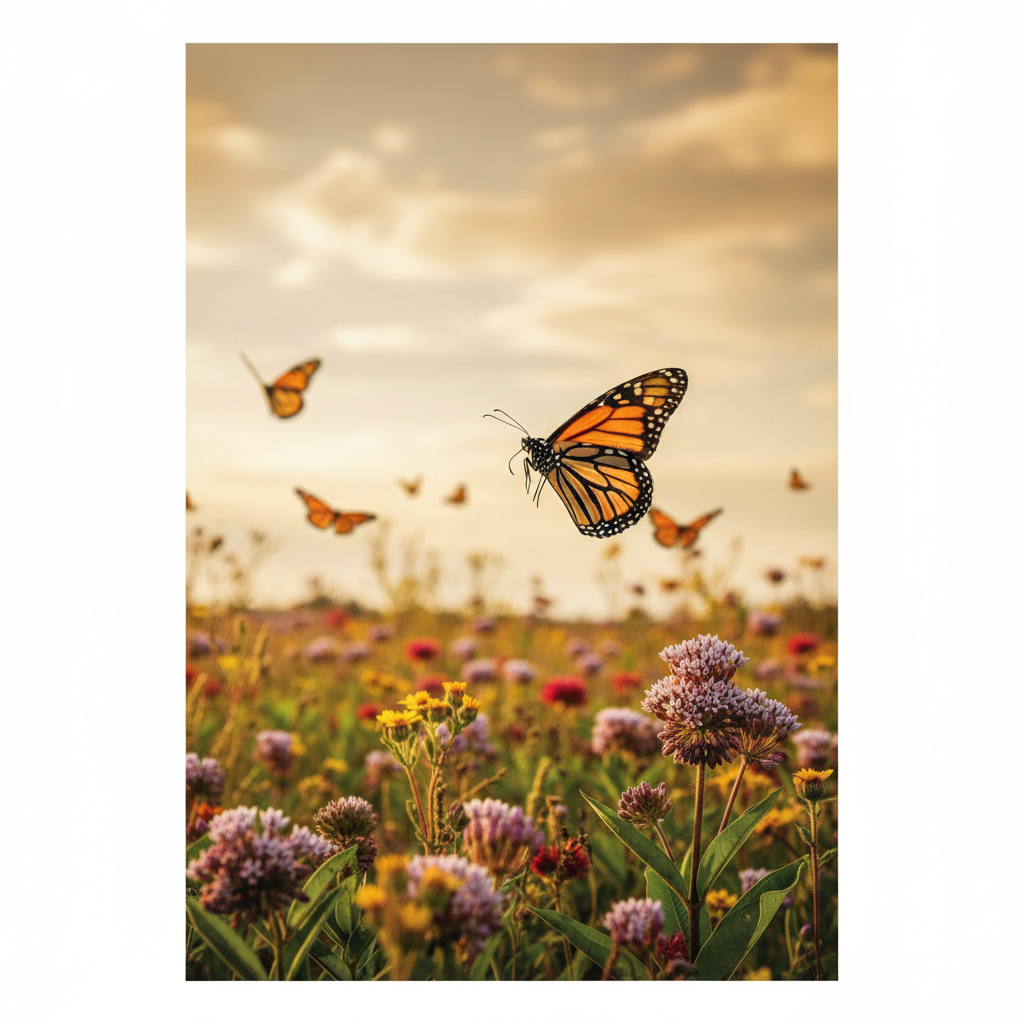
Recent analysis has revealed a significant and heartening increase in the population of monarch butterflies that migrate to Mexico for the winter. This past season, the number of monarchs recorded showed an impressive 64% jump compared to previous counts, signifying a major positive shift for the species. This surge is particularly notable as it means the butterflies covered their largest recorded area since 2018, indicating a robust return to their traditional overwintering grounds.
For years, the iconic monarch butterfly has been a symbol of environmental vulnerability, facing severe declines due to a confluence of factors. These threats include the relentless loss of their breeding habitat, particularly milkweed, which is essential for their caterpillars. Additionally, the escalating climate crisis is disrupting their delicate migratory patterns and overall life cycle, while the widespread application of pesticides across agricultural landscapes further decimates their numbers.
Despite these persistent challenges, this recent data offers a much-anticipated glimmer of hope. It suggests that while the road to full recovery is long, concerted conservation efforts and increased awareness are beginning to make a measurable difference in protecting one of nature's most beloved and vital pollinators.
Why It Matters
This remarkable increase in the monarch butterfly population isn't just good news for butterfly enthusiasts; it carries profound implications for the health of our ecosystems and serves as a powerful testament to the impact of dedicated conservation. As a flagship species, the monarch's struggles have long highlighted broader issues of biodiversity loss and habitat degradation. Their rebound, even if still fragile, signals that with targeted interventions, we can begin to reverse alarming trends for other threatened wildlife.
Monarchs are more than just beautiful insects; they are crucial pollinators, playing an indispensable role in the reproduction of many plants, including those that provide food for humans and wildlife. Their epic multi-generational migration across North America is one of nature's most awe-inspiring phenomena, and its continued existence is a barometer for environmental health across vast landscapes. When monarchs thrive, it often indicates a healthier environment with more diverse plant life and fewer harmful chemicals, benefiting countless other species.
Furthermore, this story injects a much-needed dose of optimism into the often-bleak narrative of the climate crisis and species extinction. It proves that despite the immense pressures of habitat loss, pesticide use, and a changing climate, resilience is possible. For readers of GreenNest Living, it underscores that our collective actions, from planting native species to supporting sustainable agricultural practices, are not in vain. This success story should galvanize further action, demonstrating that focused conservation strategies, driven by scientific understanding and community engagement, can truly make a difference in preserving the intricate web of life on Earth.
What You Can Do
Inspired by the monarch's remarkable comeback? Here’s what you can do to support these beautiful creatures and other essential pollinators:
- Plant Native Milkweed: This is non-negotiable. Monarch caterpillars feed exclusively on milkweed. Research native milkweed species for your region and plant them in your garden or a designated pollinator patch.
- Create a Pollinator Garden: Beyond milkweed, plant a variety of nectar-rich native flowers that bloom throughout the growing season. This provides essential food sources for adult monarchs and other pollinators.
- Avoid Pesticides: Eliminate the use of insecticides, herbicides, and fungicides in your yard and garden, especially those containing neonicotinoids, which are highly toxic to insects. Opt for organic pest control methods instead.
- Support Monarch Conservation: Donate to or volunteer with organizations dedicated to monarch research, habitat restoration, and conservation efforts across their migratory routes.
- Advocate for Habitat Protection: Encourage local and national policies that protect natural habitats, discourage monoculture farming, and promote sustainable land use practices.
- Reduce Your Carbon Footprint: Address the root cause of climate change, which impacts monarch migration and breeding. Reduce energy consumption, choose sustainable transportation, and support renewable energy.
FAQs
Q: Why are monarch butterflies considered so important?
A: Monarchs are vital pollinators, contributing to the health of ecosystems by helping plants reproduce. Their multi-generational migration is a biological marvel, and their population health serves as an indicator of broader environmental well-being, particularly concerning habitat loss and pesticide use.
Q: What is the role of milkweed in the monarch's life cycle?
A: Milkweed is absolutely critical because it is the ONLY plant that monarch butterfly caterpillars can eat. Female monarchs lay their eggs exclusively on milkweed, making its availability essential for their survival and reproduction.
Q: Does this population increase mean monarchs are no longer at risk?
A: While this 64% increase is incredibly encouraging and offers significant hope, monarchs are still considered an at-risk species. They continue to face severe long-term threats from habitat destruction, climate change impacts, and pesticide use. Continued, dedicated conservation efforts are crucial to ensure their sustained recovery.
Sources
This article is based on reporting by The Guardian Environment.
Original source
The Guardian Environment
Author, Digital Entrepreneur & AI Creator
More from Wildlife & Nature News
- The Silent Drain: Sand Scarcity Threatens Global Ecosystems — May 13, 2026
- Celestial Glimpse: Earth's Glow, Our Lost Night Skies — May 11, 2026
- Google's UK Datacentre Emissions Understated by Factor of Five — May 10, 2026
- Cosmic Beacon: Earth's Glow Inspires Global Stewardship — May 9, 2026
- Amazon Tipping Point: Deforestation, Warming Threaten Rainforest by 2040s — May 8, 2026