Mountain Gorilla Comeback: Hope Amidst Ongoing Threats
Key Takeaways
- Mountain gorilla populations increased by 73% since 1989.
- Their conservation status improved from critically endangered to endangered.
- Approximately 1,063 individuals remain, primarily in the Greater Virunga Massif.
- Success is attributed to dedicated conservation efforts and technology.
- Significant threats like conflict and poaching persist, demanding continued vigilance.
OPENING PARAGRAPH
In a world often filled with disheartening news about species decline, the remarkable comeback of mountain gorillas offers a powerful beacon of hope. Their population surge represents a monumental conservation achievement, proving that dedicated efforts can indeed pull species back from the brink of extinction. Yet, this inspiring success also serves as a crucial reminder that the fight for wildlife protection is never truly over, demanding constant vigilance and innovative solutions.
TL;DR: Key Facts
- Mountain gorilla populations have rebounded by an astonishing 73% since 1989.
- Their conservation status has improved from critically endangered to endangered.
- Approximately 1,063 individuals currently exist in the wild.
- They inhabit the Greater Virunga Massif across the Democratic Republic of Congo, Rwanda, and Uganda.
- Success is attributed to robust conservation strategies, including technological advancements and anti-poaching efforts, despite ongoing conflict and poaching challenges.
What Happened
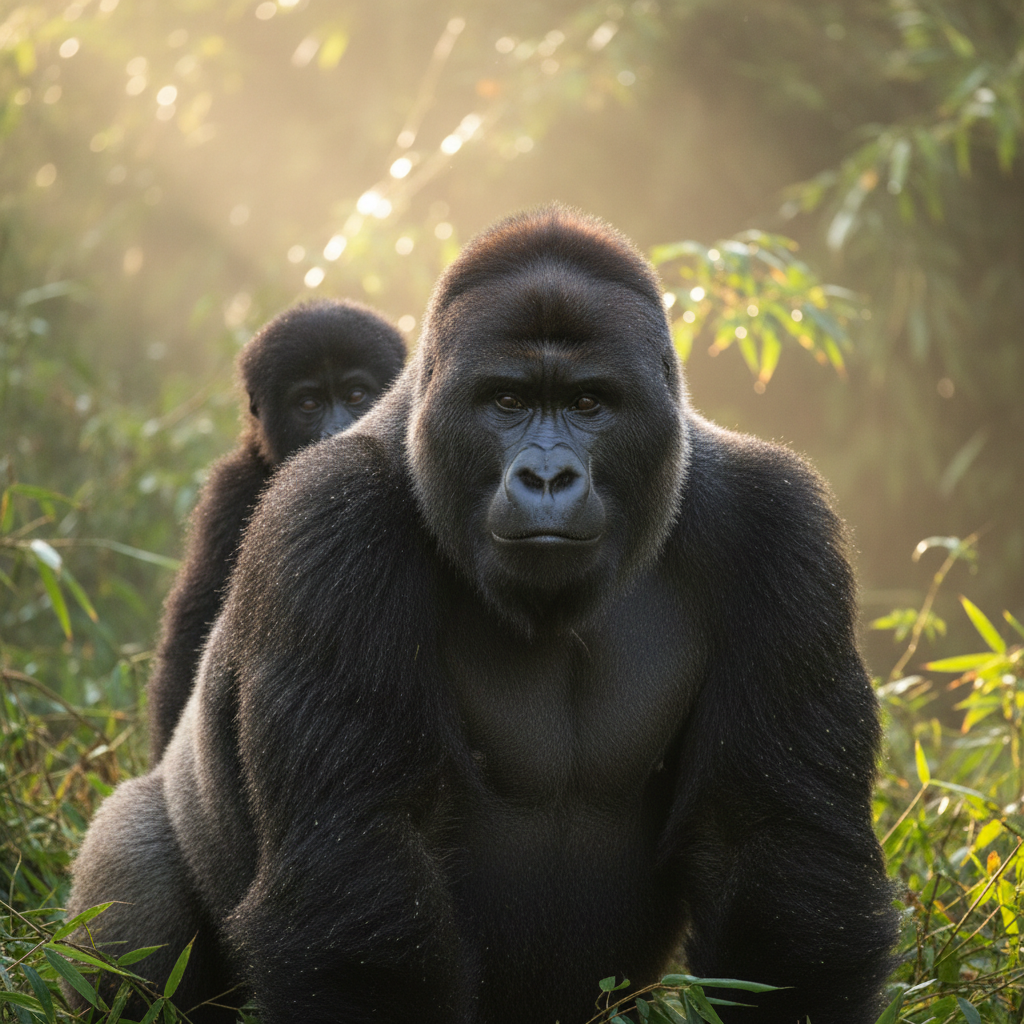
For decades, mountain gorillas (Gorilla beringei beringei) faced a dire future, teetering on the edge of extinction and classified as critically endangered. However, recent conservation efforts have yielded extraordinary results: their population has surged by 73% since 1989. This incredible recovery has prompted their reclassification to endangered, a significant step back from the precipice.
Today, an estimated 1,063 mountain gorillas roam the misty forests of the Greater Virunga Massif, a protected area spanning parts of the Democratic Republic of Congo, Rwanda, and Uganda. This positive trend is a testament to the relentless work of conservationists, park rangers, and local communities who have dedicated their lives to protecting these magnificent primates. The successful rebound is particularly noteworthy given the persistent challenges of civil conflict and poaching in the region, which continue to threaten their fragile existence.
Why It Matters
The mountain gorilla's story is more than just a numbers game; it's a profound narrative for the entire spectrum of wildlife and nature news. Firstly, it offers a rare and desperately needed success story in an era dominated by ecological loss. It demonstrates unequivocally that conservation works—that with political will, sustained funding, community engagement, and the strategic application of technology, even species on the verge of disappearing can recover. This triumph injects vital optimism into the often-challenging field of environmental protection, inspiring further efforts globally.
Moreover, this achievement underscores the complex interplay between human society and wildlife. The gorillas’ habitat lies in a region historically plagued by instability and poverty, highlighting the critical importance of integrating human development with conservation goals. Protecting these gorillas isn't just about the animals themselves; it's about safeguarding a biodiverse ecosystem that supports countless other species and provides essential resources to local communities. It also showcases the power of international cooperation, as three nations collaborate to manage and protect the Greater Virunga Massif.
Finally, while a monumental victory, the reclassification to 'endangered' is not a cue for complacency. With only around a thousand individuals, mountain gorillas remain vulnerable to poaching, habitat encroachment, and diseases transmitted from humans. The success achieved to date serves as a powerful argument for increased and continued investment in anti-poaching patrols, community education, sustainable tourism, and monitoring technologies. It reminds us that conservation is an ongoing commitment, a continuous balancing act between protection and the ever-present threats posed by human activity.
What You Can Do
- Support Conservation Organizations: Donate to or volunteer with reputable organizations actively working on mountain gorilla conservation, anti-poaching, and community development in the Greater Virunga Massif.
- Choose Responsible Tourism: If considering a gorilla trekking experience, research and choose tour operators committed to ethical practices, local community benefits, and minimal environmental impact.
- Educate Yourself and Others: Share the mountain gorilla success story to inspire hope and encourage awareness about the challenges and triumphs of wildlife conservation.
- Advocate for Policy: Support policies and legislation that combat illegal wildlife trade, protect endangered species, and promote sustainable resource management globally.
- Reduce Your Carbon Footprint: While indirect, climate change impacts all ecosystems. By making sustainable lifestyle choices, you contribute to a healthier planet for all species.
FAQs
Q: Where do mountain gorillas primarily live?
A: Mountain gorillas are found exclusively in the high-altitude forests of the Greater Virunga Massif, which spans parts of the Democratic Republic of Congo, Rwanda, and Uganda.
Q: What was their conservation status before this rebound?
A: Before their recent population increase, mountain gorillas were classified as 'critically endangered,' just one step away from extinction.
Q: What are the main threats mountain gorillas still face despite their recovery?
A: Despite their improved status, mountain gorillas still face significant threats from poaching, habitat loss due to human encroachment, human-wildlife conflict, and the risk of disease transmission from humans.
Sources
This article is based on reporting by Mongabay.
Original source
Mongabay
Author, Digital Entrepreneur & AI Creator
More from Wildlife & Nature News
- The Silent Drain: Sand Scarcity Threatens Global Ecosystems — May 13, 2026
- Celestial Glimpse: Earth's Glow, Our Lost Night Skies — May 11, 2026
- Google's UK Datacentre Emissions Understated by Factor of Five — May 10, 2026
- Cosmic Beacon: Earth's Glow Inspires Global Stewardship — May 9, 2026
- Amazon Tipping Point: Deforestation, Warming Threaten Rainforest by 2040s — May 8, 2026