NASA's Eye in Space: A New Hope Against Ocean Plastic
Key Takeaways
- NASA's EMIT sensor can detect plastic pollution from space.
- It identifies plastic by its unique spectral 'fingerprints'.
- Successful land-based detection was reported in late 2025.
- This technology promises to revolutionize ocean debris tracking.
- Better tracking enables more effective cleanup and prevention strategies.
The global fight against plastic pollution, a crisis threatening our planet's most vital ecosystems, has just received a powerful new ally: space technology. For years, scientists and environmentalists have grappled with the sheer scale of plastic waste choking our oceans and landscapes. Now, breakthroughs from NASA promise to equip us with an unprecedented tool to track and potentially mitigate this pervasive problem, offering a glimmer of hope in a challenge that often feels insurmountable.
This innovation arrives at a critical juncture, as marine life suffers, ecosystems are disrupted, and microplastics permeate every corner of our environment, including our own bodies. Understanding the precise origins and movements of plastic debris is crucial for effective intervention, and NASA's latest efforts are set to transform our capabilities, moving us closer to a cleaner, healthier planet.
TL;DR: Key Facts
- NASA is developing space-based technology to detect and track plastic pollution.
- The Earth Surface Mineral Dust Source Investigation (EMIT) sensor, aboard the International Space Station, is central to this effort.
- This technology identifies plastic by its unique spectral 'fingerprints' from orbit.
- Scientists successfully detected concentrations of plastic pollution on land for the first time in late 2025 using the EMIT sensor.
- This breakthrough holds significant promise for mapping ocean debris and improving targeted cleanup efforts globally.
What Happened
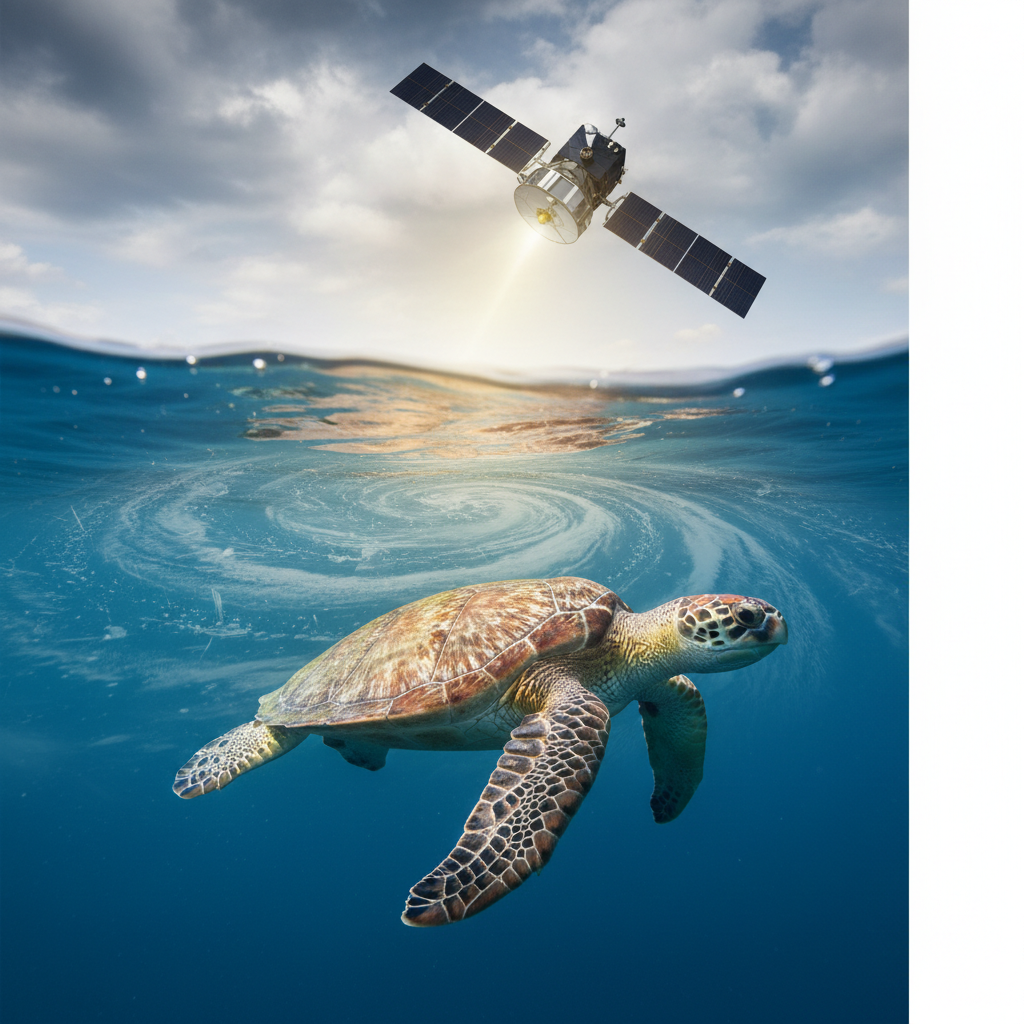
In a development that could revolutionize environmental monitoring, NASA has announced significant progress in using space-based technology to identify and track plastic pollution. The cornerstone of this innovation is the Earth Surface Mineral Dust Source Investigation (EMIT) sensor, which is currently operating aboard the International Space Station (ISS). EMIT was originally designed to map the mineral composition of arid regions to understand their role in climate change, but its advanced capabilities are proving far more versatile than initially imagined.
The EMIT sensor works by collecting spectroscopic data, essentially reading the unique 'fingerprint' of materials based on how they reflect sunlight across different wavelengths. Every material, including various types of plastic, has a distinct spectral signature. By analyzing these signatures from orbit, scientists can identify specific materials on Earth's surface. This technique allows for the detection of plastic concentrations from hundreds of miles above, providing a macro-level view that is impossible to achieve through ground-based or aerial surveys alone.
The breakthrough moment came in late 2025 when scientists reported the first successful detection of plastic pollution concentrations on land using EMIT data. This proof-of-concept is crucial, demonstrating the sensor's ability to differentiate plastic from other environmental materials. While the initial success focused on land-based detection, the implications for ocean debris are profound. The ability to identify plastic on land suggests a high potential for adapting this technology to map the vast and elusive patches of plastic accumulating in our oceans, including the infamous Great Pacific Garbage Patch and countless smaller accumulations around coastlines and in remote areas.
Why It Matters
For readers of GreenNest Living, this NASA innovation is nothing short of a game-changer for the “Wildlife & Nature News” category. Plastic pollution is arguably one of the most pressing environmental crises of our time, directly impacting wildlife, devastating marine ecosystems, and increasingly threatening human health through microplastic ingestion. Millions of marine animals—from sea turtles and whales to seabirds and fish—suffer entanglement, injury, and death from plastic debris. Coral reefs, vital nurseries for ocean life, are smothered, and sensitive coastal habitats are degraded. The sheer scale and diffuse nature of this pollution have made effective tracking and cleanup incredibly difficult, costly, and often reactive rather than proactive.
This space-based detection capability offers a quantum leap in our ability to understand and combat the problem. Imagine being able to pinpoint major plastic accumulation zones in the ocean or identify rivers that are significant contributors to ocean plastic, all from orbit. This is not just about finding existing pollution; it's about identifying sources and pathways. Such precise data can inform targeted cleanup operations, directing resources to where they will have the greatest impact. Instead of blindly searching vast expanses of ocean, cleanup crews could be guided directly to high-concentration areas, maximizing efficiency and success rates. It also provides invaluable data for policymakers to understand the true scope of the problem in specific regions, enabling more effective regulations on plastic production, use, and waste management.
Furthermore, this technology moves us beyond merely reacting to pollution to a more preventative and strategic approach. By identifying land-based sources of plastic leakage, communities and governments can implement interventions upstream—improving waste collection, enhancing recycling infrastructure, or curbing the use of specific problematic plastics in vulnerable areas. This data-driven approach is essential for preserving biodiversity and protecting the delicate balance of our planet's ecosystems. In a world grappling with multiple environmental challenges, NASA’s innovative use of space technology underscores how advanced science can provide crucial tools for Earth-bound environmental stewardship, offering a beacon of hope for a future where our wildlife and natural habitats are less burdened by human waste.
What You Can Do
While NASA works on the big picture from space, your actions on the ground are critical to solving the plastic crisis. Here’s what you can do:
- Reduce Single-Use Plastics: Consciously minimize your reliance on disposable plastic items like bottles, bags, straws, and food packaging. Opt for reusable alternatives for coffee, water, and groceries.
- Support Sustainable Brands: Choose products from companies committed to minimal or plastic-free packaging, closed-loop systems, and environmentally responsible manufacturing practices.
- Participate in Local Cleanups: Join or organize community beach, river, or park cleanups. Every piece of plastic removed from the environment is a piece that won't end up in our oceans.
- Advocate for Policy Change: Support legislation and initiatives that promote extended producer responsibility, ban harmful single-use plastics, and improve waste management infrastructure in your community and beyond.
- Properly Dispose and Recycle: Understand your local recycling guidelines and ensure you're correctly sorting and disposing of all waste. When in doubt, research local facilities.
- Educate and Inspire: Share your knowledge about plastic pollution and its solutions with friends, family, and your social networks. Encourage others to adopt more sustainable habits.
FAQs
Q: What is the EMIT sensor?
A: EMIT (Earth Surface Mineral Dust Source Investigation) is an imaging spectrometer aboard the International Space Station, originally designed to map mineral composition in arid regions. It can identify materials by their unique light-reflecting 'fingerprints.'
Q: How does space technology detect plastic?
A: It uses sensors like EMIT to analyze the unique spectral 'fingerprints' that different types of plastic emit when reflecting sunlight. Each plastic has a distinct light signature that the sensor can identify from orbit.
Q: When will this technology be used for ocean debris?
A: While the initial success involved detecting plastic on land in late 2025, the research indicates strong potential for adapting this technology to track ocean debris. Further development and validation will be needed to fully implement it for widespread ocean monitoring.
Sources
This article is based on reporting by NASA Breaking News.
Original source
NASA Breaking News
Author, Digital Entrepreneur & AI Creator
More from Wildlife & Nature News
- The Silent Drain: Sand Scarcity Threatens Global Ecosystems — May 13, 2026
- Celestial Glimpse: Earth's Glow, Our Lost Night Skies — May 11, 2026
- Google's UK Datacentre Emissions Understated by Factor of Five — May 10, 2026
- Cosmic Beacon: Earth's Glow Inspires Global Stewardship — May 9, 2026
- Amazon Tipping Point: Deforestation, Warming Threaten Rainforest by 2040s — May 8, 2026