North Sea Rewilding: Oysters Offer Hope for Marine Health
Key Takeaways
- 15m juvenile oysters are being released into the North Sea.
- It's one of the UK's biggest marine rewilding projects.
- The initiative aims to repair damaged marine ecosystems.
- Oysters will help sequester significant amounts of carbon.
- The project highlights innovative approaches to ecological restoration.
In a powerful stride towards environmental recovery, the UK is embarking on one of its largest marine rewilding initiatives, releasing millions of native oysters back into the North Sea. This ambitious project signals a critical turning point for our damaged marine ecosystems and offers a tangible solution to the climate crisis. For GreenNest Living readers, this isn't just news; it's a blueprint for how nature-based solutions can revitalize our planet and improve the very air we breathe and water we depend on, right now.
TL;DR: Key Facts
- More than 15 million juvenile oysters are being released into the North Sea.
- This marks one of the biggest marine rewilding projects in UK waters.
- The initiative aims to repair severely damaged marine ecosystems.
- Oysters are expected to sequester large amounts of carbon.
- The project utilizes a unique rearing process for the oysters.
What Happened
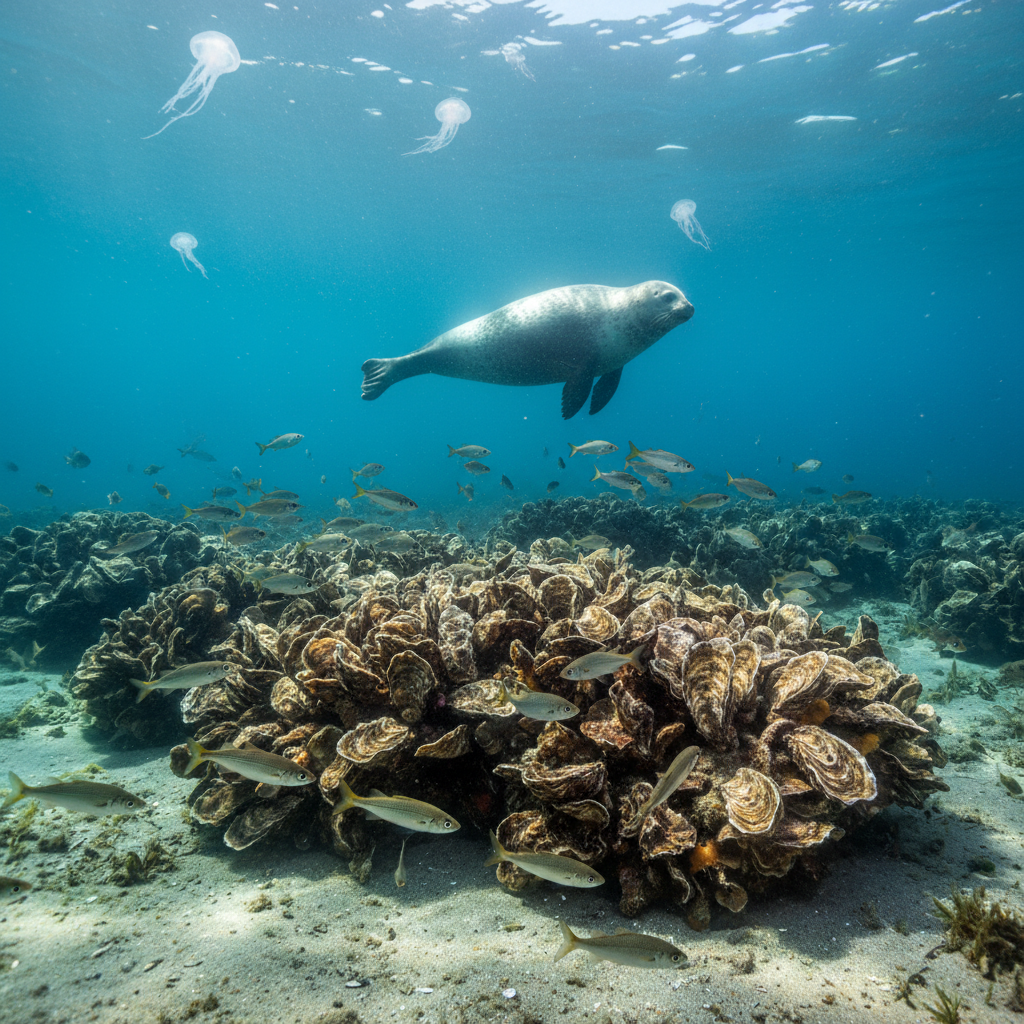
An exclusive report from The Guardian Environment reveals a groundbreaking rewilding effort taking place in the UK's North Sea. Over 15 million juvenile oysters are being introduced as part of a scheme designed to breathe new life into struggling marine habitats. This release represents one of the most significant marine rewilding projects ever undertaken in British waters, reflecting a growing commitment to restoring biodiversity and ecological balance.
The project's primary objectives are twofold: to repair the extensive damage suffered by marine ecosystems in the North Sea and to leverage the natural capabilities of oysters for carbon sequestration. These tiny bivalves, often overlooked, play a monumental role in ocean health. The initiative also highlights the use of a unique rearing process, underscoring the innovative approaches being employed to ensure the success and scalability of this vital restoration work.
Why It Matters
For those passionate about sustainable living and the health of our planet, this North Sea oyster rewilding project is truly inspiring. It speaks directly to the core themes of GreenNest Living: understanding and protecting our natural world. Native oyster beds once thrived across Europe, acting as crucial keystone species in their ecosystems. However, over 95% of these vital habitats have been lost due to overfishing, pollution, and disease. This project offers a tangible hope for reversing that decline, demonstrating that large-scale restoration is not only possible but urgently needed.
Oysters are often called 'ecosystem engineers' for good reason. As filter feeders, a single oyster can filter up to 50 gallons of water per day, removing pollutants, excess nutrients, and suspended sediments. This dramatically improves water clarity and quality, which in turn benefits seagrass beds – another critical carbon sink – and allows sunlight to penetrate deeper, supporting other marine life. By restoring these natural filters, the project creates healthier waters for fish, crabs, and a myriad of other species, thereby boosting overall marine biodiversity and resilience.
Beyond water purification and habitat creation, the carbon sequestration aspect is particularly significant. Oysters build their shells from calcium carbonate, a process that locks away carbon. Furthermore, their restored reef structures act as natural traps for organic carbon, effectively sinking it to the seabed. This project illustrates a powerful nature-based solution to climate change, complementing efforts to reduce emissions by actively removing carbon from the atmosphere and oceans. It's a powerful reminder that sometimes, the simplest solutions, deeply rooted in nature's own design, are the most effective.
What You Can Do
- Support Marine Conservation: Donate to or volunteer with organizations dedicated to marine rewilding and ocean health.
- Choose Sustainable Seafood: Opt for sustainably sourced oysters and other seafood, verifying labels like MSC or local, reputable suppliers to avoid contributing to overfishing.
- Reduce Plastic Consumption: Minimize your use of single-use plastics to prevent pollution from reaching our oceans and harming marine life.
- Educate and Advocate: Share the importance of marine ecosystems and rewilding projects with friends and family. Advocate for stronger marine protection policies with your local representatives.
- Participate in Cleanups: Join local beach or waterway cleanups to directly contribute to healthier aquatic environments.
- Support Green Businesses: Patronize businesses that prioritize environmental sustainability and invest in eco-friendly practices, driving demand for a greener economy.
FAQs
Q: How do oysters help the environment?
A: Oysters are natural filter feeders, improving water quality by removing pollutants and excess nutrients. They also create complex reef habitats that support a wide variety of marine life and sequester carbon in their shells and the sediments they help accumulate.
Q: What is rewilding?
A: Rewilding is a progressive approach to conservation that focuses on restoring natural processes and wild spaces. It often involves reintroducing keystone species, allowing natural ecosystems to recover and manage themselves, leading to increased biodiversity and resilience.
Q: Will these oysters be harvested for food?
A: The primary goal of this project is ecosystem restoration and carbon sequestration. While native oysters are a delicacy, these juvenile oysters are being released specifically to establish self-sustaining populations and rebuild habitats, not for immediate commercial harvesting.
Sources
This article is based on reporting by The Guardian Environment.
Original source
The Guardian Environment
Author, Digital Entrepreneur & AI Creator
More from Wildlife & Nature News
- The Silent Drain: Sand Scarcity Threatens Global Ecosystems — May 13, 2026
- Celestial Glimpse: Earth's Glow, Our Lost Night Skies — May 11, 2026
- Google's UK Datacentre Emissions Understated by Factor of Five — May 10, 2026
- Cosmic Beacon: Earth's Glow Inspires Global Stewardship — May 9, 2026
- Amazon Tipping Point: Deforestation, Warming Threaten Rainforest by 2040s — May 8, 2026