Nurturing Hope: Gardens Combat Solastalgia, Save Our World
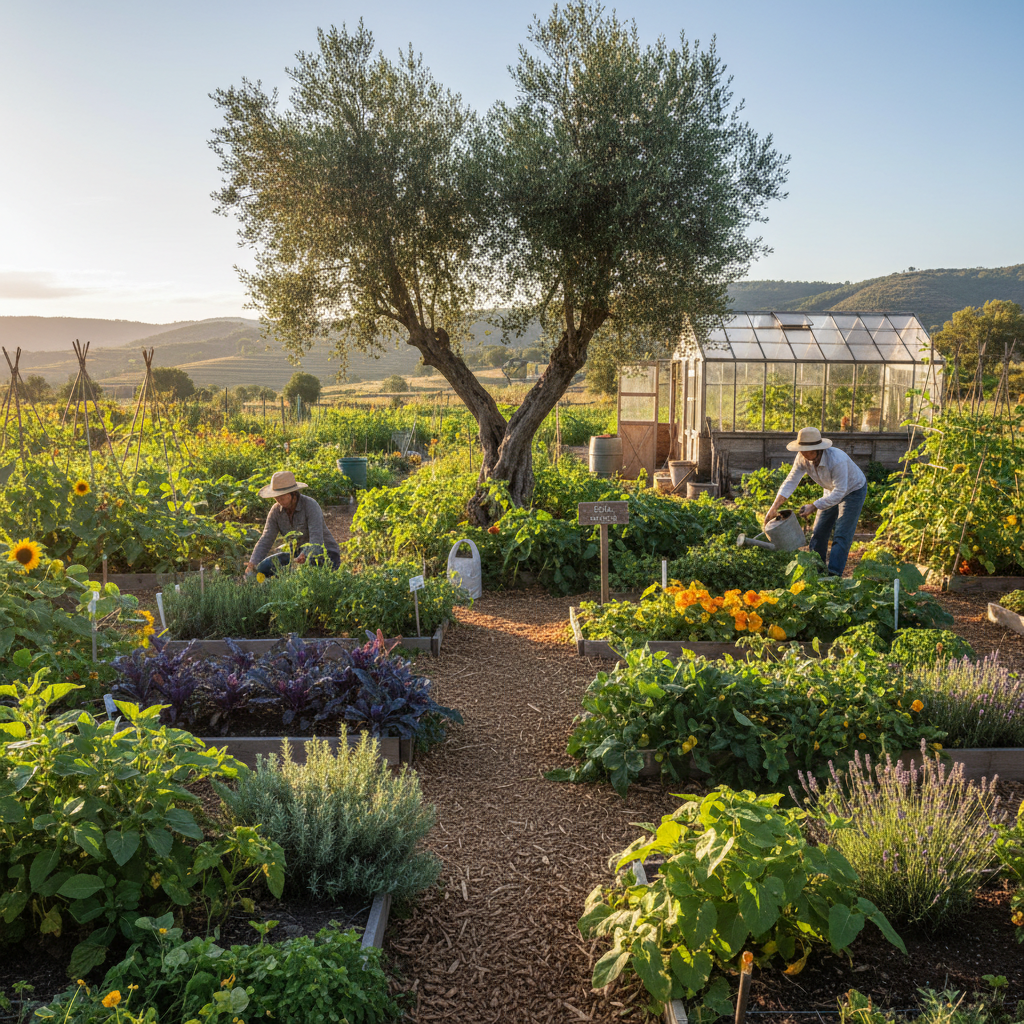
Key Takeaways
- New book explores how small landscapes can contribute to global solutions.
- Introduces 'solastalgia,' the distress from environmental change to home environments.
- Gardening is presented as an antidote to feelings of environmental loss and gentrification.
- Emphasizes the 'big ideas' and profound impact achievable in modest green spaces.
- Positions gardens as crucial for individual well-being and broader ecological health.
As our world rapidly changes, many feel a deep sense of loss for familiar landscapes—a phenomenon known as solastalgia. A compelling new book, 'Gardens That Can Save the World,' offers a beacon of hope, revealing how even small gardens can be powerful tools to heal our connection with nature and build resilient communities.
TL;DR: Key Facts
- A new book, "Gardens That Can Save the World," highlights the profound impact of small-scale landscapes.
- It introduces the concept of solastalgia, the distress caused by environmental changes to one's home environment.
- The book suggests that thoughtful gardening can counteract feelings of environmental loss and gentrification.
- It emphasizes the "big ideas" embedded within seemingly modest green spaces.
- The work positions gardens as crucial elements for both individual well-being and broader ecological solutions.
What Happened
A significant new publication, titled 'Gardens That Can Save the World,' is generating buzz within the gardening and environmental communities. The book focuses on the often-underestimated power of small landscapes to enact substantial positive change, moving beyond mere aesthetics to highlight their crucial role in ecological health and human well-being. It delves deeply into the concept of 'solastalgia,' a term coined to describe the profound sense of loss and distress one feels when their familiar home environment undergoes significant, often negative, environmental alteration—even if they haven't physically moved.
The author posits that phenomena like urban gentrification, where cherished 'slightly ragged front gardens' are replaced by starker features like 'car ports,' exemplify localized environmental degradation that can trigger this deep emotional response. More broadly, the book addresses the pervasive reaction to global environmental loss and degradation on a larger scale, linking these macro changes to individual feelings of grief and disconnection. It champions the idea that individual and community-driven gardening initiatives can serve as vital antidotes to these feelings of displacement and dismay, transforming personal green spaces into engines of global benefit.
Essentially, 'Gardens That Can Save the World' aims to inspire readers by showcasing how thoughtful design and cultivation of even modest plots can contribute directly to ecological restoration, community resilience, and a renewed sense of connection to place. It encourages a critical shift in perspective, moving away from viewing gardens merely as decorative elements and towards recognizing their profound potential as vital, 'big ideas' for planetary well-being and a tangible way to counteract environmental grief.
Why It Matters
For GreenNest Living readers, this book’s central premise is incredibly resonant and timely. In a world grappling with the escalating realities of climate change, biodiversity loss, and increasing urbanization, the concept of solastalgia provides a crucial framework for understanding the profound emotional and psychological toll these environmental shifts take on individuals and communities. Our gardens, whether a sprawling backyard or a few pots on a balcony, are not just aesthetic features; they are vital sanctuaries and powerful agents of change against this very real sense of environmental grief and disconnection.
This book powerfully underscores that engaging in gardening is far more than a recreational hobby; it’s an act of hope, a commitment to healing, and an active defiance against environmental despair. By consciously embracing 'small landscapes with big ideas,' we're not just planting flowers or growing vegetables; we're cultivating resilience within our ecosystems and ourselves. We're creating micro-ecosystems that provide essential habitats for pollinators, improve soil health through natural processes, manage stormwater runoff, and help cool our increasingly warm urban spaces. These seemingly small, localized acts accumulate into a powerful collective movement that directly counters the broad environmental degradation leading to solastalgia, offering tangible solutions right at our doorsteps.
The emphasis on accessible, small-scale solutions is particularly empowering for our readers. It effectively demystifies the overwhelming idea of 'saving the world,' breaking it down into achievable, practical steps that any individual or community can undertake, regardless of their gardening experience or available space. By understanding the profound, symbiotic connection between our personal green spaces and the broader environmental narrative, readers are equipped with both the knowledge and the motivation to transform their immediate surroundings into vital hubs of sustainability, well-being, and profound hope. This isn't just about cultivating plants; it's about reclaiming our sense of place, fostering deeper community bonds, and actively shaping a regenerative future for all.
What You Can Do
Inspired by 'Gardens That Can Save the World,' here's how you can transform your own space and combat solastalgia:
- Cultivate Native Plants: Prioritize local flora to support indigenous wildlife, reduce water usage, and reconnect with your region's natural heritage.
- Start a Community Garden: Join or initiate a shared green space. Collective gardening fosters community bonds, increases access to fresh food, and revitalizes neglected urban areas.
- Embrace Permaculture Principles: Design your garden to mimic natural ecosystems, focusing on closed-loop systems, waste reduction, and sustainable resource use.
- Create a Pollinator Paradise: Dedicate a portion of your garden to flowers that attract bees, butterflies, and other essential pollinators, directly contributing to biodiversity.
- Compost Your Organic Waste: Turn kitchen scraps and yard trimmings into nutrient-rich soil amendments, reducing landfill waste and enriching your garden naturally.
- Advocate for Green Spaces: Support local initiatives to protect and expand parks, urban forests, and community gardens in your neighborhood, resisting trends that replace greenery with concrete.
FAQs
Q: What exactly is solastalgia?
A: Solastalgia is a form of existential distress caused by environmental change that negatively impacts one's home or cherished environment, even when one hasn't physically left it. It's a feeling of loss for a familiar place that is fundamentally altering.
Q: How can my small garden truly make a difference globally?
A: While individual gardens may seem small, collectively they form vital ecological networks. They support biodiversity, improve local air and water quality, reduce urban heat island effects, and foster a deeper connection to nature, which inspires broader environmental action. Every small act of stewardship contributes to the global whole.
Q: Is this book only for experienced gardeners?
A: The book's premise, "small landscapes with big ideas," suggests it aims to be accessible. It likely provides inspiration and principles that can be applied by anyone, from balcony gardeners to those with larger plots, focusing on impactful actions rather than advanced techniques.
Sources
This article is based on reporting by Gardenista.
Original source
Gardenista
Author, Digital Entrepreneur & AI Creator
More from Garden & Plants
- LA Oasis: Modern Spanish Colonial Design for Sustainable Living — May 13, 2026
- Flowering Shrubs: The Underrated Backbone of Your Eco-Garden — May 11, 2026
- Native Wisteria: Blooming Beauty, Boosting Biodiversity — May 10, 2026
- Embracing the Subtle Beauty of Shade Gardens — May 9, 2026
- Ground Covers: The Low-Maintenance Path to a Greener Yard — May 8, 2026