NYC Cherry Blossoms Bloom Early: A Climate Wake-Up Call
Key Takeaways
- NYC cherry blossoms peaked significantly early this spring.
- Unprecedented 'August-like' temperatures in April caused rapid acceleration of blooms.
- This phenomenon disrupts traditional plant life cycles and pollinator activity.
- Gardeners must adapt through observation, plant choice, and protective measures.
- Early blooming serves as a clear indicator of climate change impacts on local ecosystems.
OPENING PARAGRAPH
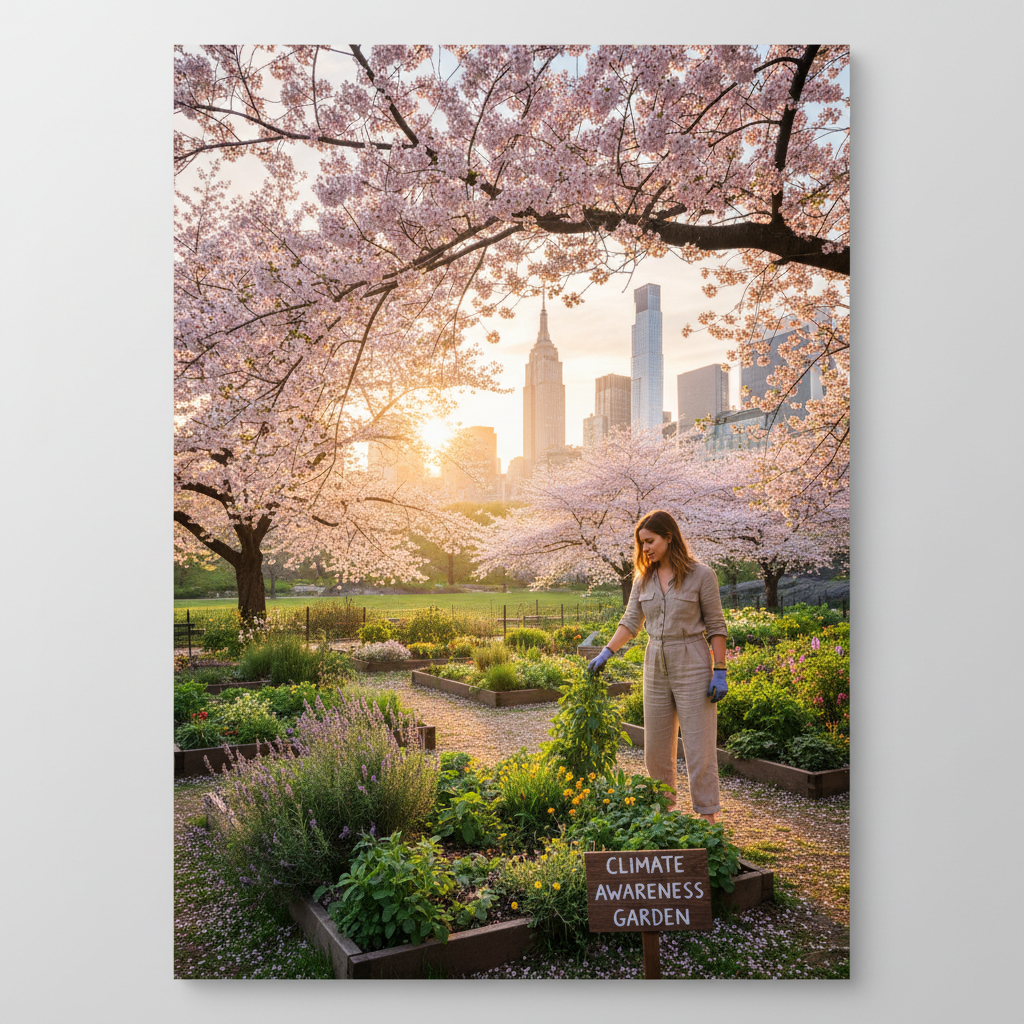
Our gardens are increasingly showing us the undeniable signs of a changing climate, and this spring in New York City offered a stark reminder. After a seemingly predictable start to the season, a sudden surge of unseasonal heat has pushed iconic cherry blossoms, along with other early spring flora, to bloom far earlier than anticipated, challenging our understanding of seasonal cycles and urging us to adapt.
TL;DR: Key Facts
- New York City experienced an unusually early cherry blossom peak this spring.
- A period of intense, August-like heat in April significantly accelerated blooming.
- This phenological shift followed a predictable late March/early April start for magnolias, daffodils, and spicebush.
- The rapid onset of heat disrupted the expected progression of spring.
What Happened
Spring in New York City began with a familiar rhythm. Late March and early April saw the expected emergence of classic early spring indicators: magnolias and various early cherry cultivars began to unfurl their delicate petals, while daffodils splashed vibrant yellows across landscapes. Native spicebush, typically one of the first woody plants to show life, also started to warm the still-dormant woodlands, painting a picture of a spring unfolding as it usually does.
However, this predictable progression was abruptly interrupted. As April wore on, the city was plunged into an unseasonal heatwave, described as "hot as hell, I mean, as August." This extreme and atypical warmth dramatically altered the natural timeline, pushing the cherry blossoms to their peak well ahead of their historical schedule. Such rapid acceleration of blooming cycles due to sudden climatic shifts highlights a growing trend in urban and natural environments alike.
Why It Matters
For sustainable living enthusiasts and gardeners, the early peaking of cherry blossoms is far more than just an aesthetic curiosity; it's a potent signal of climate disruption impacting our local ecosystems. The acceleration of plant life cycles, or phenological shifts, has cascading effects that can destabilize natural balances. When plants bloom out of sync with their historical timing, it can create a mismatch between plants and their pollinators. Bees and other insects, whose life cycles are often triggered by different environmental cues, might not be active or abundant when the early flowers are at their peak, leading to reduced pollination success and potentially lower fruit and seed production.
Moreover, these unseasonal heat spikes put significant stress on plants. Rapid temperature fluctuations can damage delicate new growth, and a shortened spring can mean less time for plants to photosynthesize and store energy before the intense heat of summer arrives. For urban gardeners, this means re-evaluating planting schedules, watering strategies, and even the choice of plant species. It emphasizes the need to observe our local environment more closely, understanding that traditional gardening calendars are becoming less reliable in the face of unpredictable weather patterns. This isn't just about pretty flowers; it's about the resilience of our urban green spaces and the vital biodiversity they support.
What You Can Do
Adapting to these changing patterns is key for any gardener committed to sustainable practices. Here's how you can respond to early blooming and unpredictable weather:
- Observe & Record: Keep a garden journal. Note when plants bloom, when pollinators appear, and any unusual weather. This data helps you understand local trends and anticipate future changes.
- Choose Climate-Resilient Plants: Prioritize native plants that are naturally adapted to local conditions and can better withstand temperature extremes and fluctuations. Research cultivars known for tolerance to heat or drought.
- Optimize Watering: Early heat can mean plants need water sooner. Monitor soil moisture diligently. Consider drip irrigation or soaker hoses for efficient watering, especially for newly established plants.
- Mulch Heavily: Apply a thick layer of organic mulch around plants. This helps regulate soil temperature, retain moisture, and protect roots from sudden heat or cold snaps.
- Support Pollinators: Plant a diverse range of flowering plants with varying bloom times to provide a continuous food source for pollinators, especially if early blooms are missed. Avoid pesticides that harm beneficial insects.
- Provide Shade: For particularly vulnerable plants, consider temporary shade cloths during intense heatwaves to reduce stress and prevent scorching.
FAQs
Q: Is early blooming always a negative sign for my garden?
A: While some early blooms might seem pleasant, consistent early blooming due to unseasonal warmth can disrupt the delicate balance between plants and pollinators, and stress plants not yet ready for summer conditions, potentially impacting long-term health and yield.
Q: How can I tell if my plants are stressed by early heat?
A: Look for signs like wilting leaves despite adequate watering, leaf scorch (brown, crispy edges), stunted growth, or buds dropping prematurely. Consistent observation will help you identify what's normal for your plants versus stress.
Q: Should I change my planting schedule if spring comes early?
A: It's wise to be flexible. While traditional last frost dates are a guide, monitor local forecasts closely. Consider starting some seeds indoors earlier if needed, but be prepared for potential late frosts that can still occur after an early warm spell. Prioritize plant hardiness zones and microclimates in your garden.
Sources
This article is based on reporting by Gardenista.
Original source
Gardenista
Author, Digital Entrepreneur & AI Creator
More from Garden & Plants
- LA Oasis: Modern Spanish Colonial Design for Sustainable Living — May 13, 2026
- Flowering Shrubs: The Underrated Backbone of Your Eco-Garden — May 11, 2026
- Native Wisteria: Blooming Beauty, Boosting Biodiversity — May 10, 2026
- Embracing the Subtle Beauty of Shade Gardens — May 9, 2026
- Ground Covers: The Low-Maintenance Path to a Greener Yard — May 8, 2026