NYC's Early Blossoms: A Climate Shift Wake-Up Call
Key Takeaways
- NYC's spring flowers, including cherry blossoms, bloomed weeks ahead of schedule due to unusual April heat.
- This early bloom disrupts traditional seasonal rhythms and affects ecological balances.
- It signifies a broader trend of climate change influencing plant phenology globally.
- Early flowering creates risks like pollinator mismatch and vulnerability to late frosts.
- Gardeners must adapt by observing local patterns, planting natives, and using climate-resilient practices.
The familiar gentle unfurling of spring's first blooms provides comfort and predictability, yet this year, that rhythm has been jarringly disrupted. Early April saw an unprecedented heatwave accelerate the blossoming of New York City's iconic cherry trees and other vital flora, offering a stark, beautiful, and somewhat alarming visual cue about the accelerating pace of climate change impacting our natural world.
TL;DR: Key Facts
- Cherry blossoms and other traditional early spring flowers in New York City bloomed significantly ahead of their typical schedule.
- This early emergence was directly triggered by unusually high temperatures experienced in April, which reportedly felt more akin to August weather.
- The accelerated blooming affected a range of plants including magnolias, early cherry cultivars, daffodils, and native spicebush.
- This phenomenon highlights a broader trend of climate-driven changes impacting the phenology (timing of natural events) of plants.
What Happened
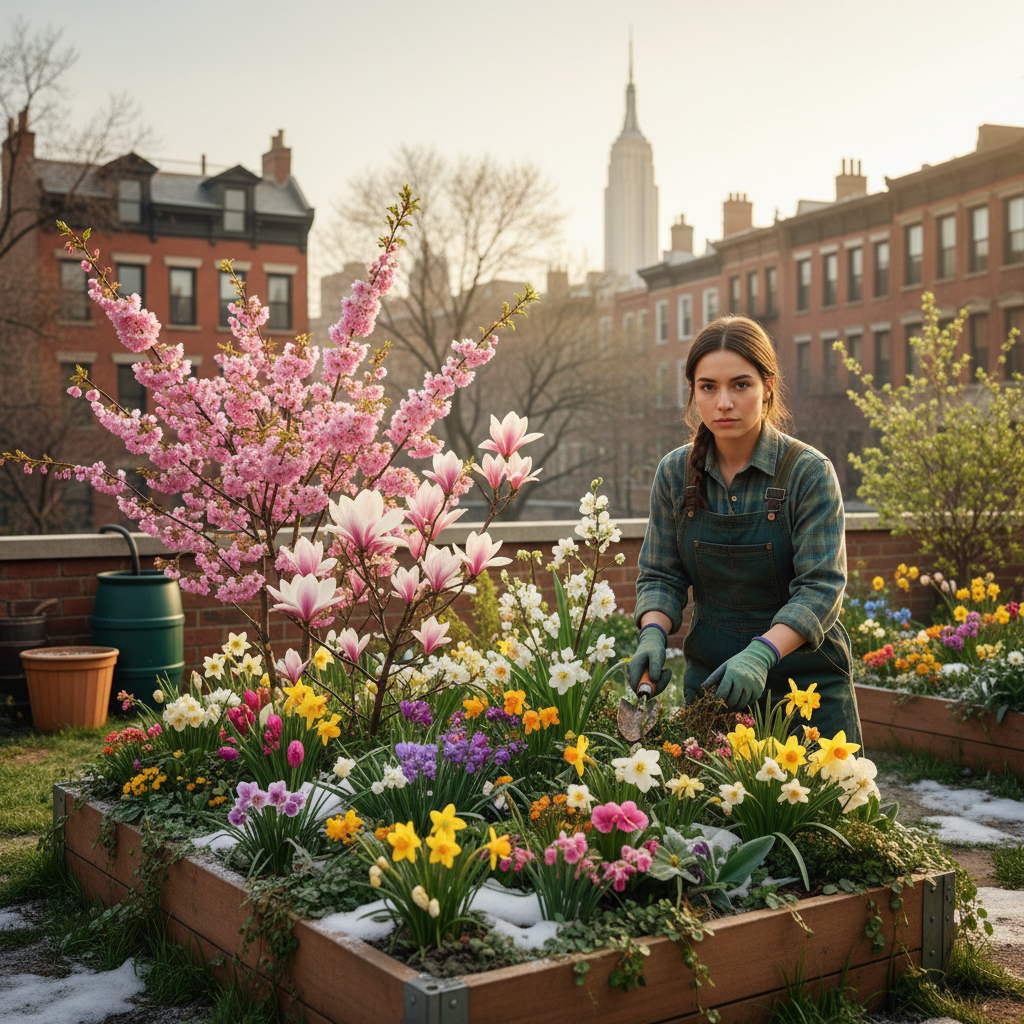
Spring in New York City typically unfolds with a measured grace. Late March and early April usually bring the first signs of life: magnolias unfurling their velvety petals, early cherry varieties hinting at their vibrant display, and daffodils bravely pushing through the soil. Native spicebush, a subtle but significant harbinger of warmer days, would begin to show signs of life in the still-brown woods.
However, this year, after a relatively predictable start, April delivered a dramatic climatic surprise. Instead of a gradual warming, the city experienced a sudden and intense heatwave, described by some as feeling more like August. This abrupt shift in temperature acted as a powerful accelerant, pushing all these delicate spring indicators to bloom weeks, if not a full month, earlier than their historical averages. The result was a breathtaking, albeit premature, explosion of color, forcing a recalibration of what 'early spring' truly means.
Why It Matters
For gardeners, nature enthusiasts, and indeed, all residents of a planet reliant on natural cycles, the early blooming of New York's cherry blossoms is far more than a pretty, fleeting spectacle. It's a vivid, immediate illustration of climate change at work in our backyards, profoundly impacting the delicate balance of ecosystems we depend on. When familiar phenological events like blooming times shift dramatically, it creates a cascade of potential ecological disruptions.
One of the most critical concerns is the potential for phenological mismatch. Pollinators, such as bees and butterflies, have evolved to emerge and forage in sync with specific bloom times. If flowers bloom too early, their insect partners might not be ready, leading to reduced pollination success for plants and a lack of food resources for insects. This can impact fruit production, seed set, and ultimately, biodiversity. Furthermore, plants that bloom early are more vulnerable to late spring frosts, which can damage or destroy tender new growth and developing flowers, impacting a plant's health and future reproductive capacity. For home gardeners, it means recalibrating planting schedules, understanding new risks to fruit trees, and rethinking strategies for pest and disease management as traditional timings become unreliable. This event serves as a crucial reminder that sustainable living isn't just about reducing our footprint; it's also about adapting to and mitigating the changes already underway.
What You Can Do
Understanding and adapting to these changing seasonal patterns is crucial for fostering resilient gardens and supporting local ecosystems. Here's what you can do:
- Observe and Document Phenology: Keep a journal or use citizen science apps (like iNaturalist or Project BudBurst) to record when plants in your garden or local park bud, bloom, and leaf out. This data contributes to vital research on climate change impacts.
- Prioritize Native Plants: Choose plants that are native to your specific region. They are generally better adapted to local climate fluctuations and require less water and intervention, fostering stronger local ecosystems.
- Practice Climate-Resilient Gardening: Explore techniques like permaculture, companion planting, and xeriscaping. Focus on improving soil health, which helps plants withstand stressors like drought or sudden temperature swings.
- Protect Early Blooms: Be prepared for potential late frosts after warm spells. Have row covers, blankets, or even tarps ready to protect vulnerable early-flowering shrubs and trees if temperatures drop unexpectedly.
- Diversify Your Plantings: Incorporate a wide variety of plant species in your garden, including early, mid, and late-season bloomers. This helps ensure food sources for pollinators are available across an extended or shifted growing season.
- Conserve Water: With hotter temperatures potentially arriving earlier, efficient water use becomes paramount. Implement drip irrigation, collect rainwater, and choose drought-tolerant species.
FAQs
Q: Is this early blooming phenomenon happening only in New York City?
A: No, similar shifts in plant phenology, including earlier blooming and leafing out, are being observed globally across various species due to rising global temperatures and altered weather patterns. NYC is just one visible example.
Q: How exactly does early blooming affect pollinators?
A: Early blooming can create a 'mismatch' where flowers are ready for pollination before their specific insect pollinators have emerged from hibernation or migration. This can lead to a scarcity of food for pollinators and reduced reproductive success for plants.
Q: What should I do if my fruit trees bloom much earlier than usual?
A: If fruit trees bloom significantly early, they are at higher risk of damage from late spring frosts, which can destroy the blossoms and prevent fruit formation. Monitor local weather forecasts closely and be prepared to protect them (e.g., covering small trees, using sprinklers for larger ones to raise ambient temperature) if freezing temperatures are predicted.
Sources
This article is based on reporting by Gardenista.
Original source
Gardenista
Author, Digital Entrepreneur & AI Creator
More from Garden & Plants
- LA Oasis: Modern Spanish Colonial Design for Sustainable Living — May 13, 2026
- Flowering Shrubs: The Underrated Backbone of Your Eco-Garden — May 11, 2026
- Native Wisteria: Blooming Beauty, Boosting Biodiversity — May 10, 2026
- Embracing the Subtle Beauty of Shade Gardens — May 9, 2026
- Ground Covers: The Low-Maintenance Path to a Greener Yard — May 8, 2026