Ocean-Powered AI: Panthalassa's Bold Vision for Sustainable Compute
Key Takeaways
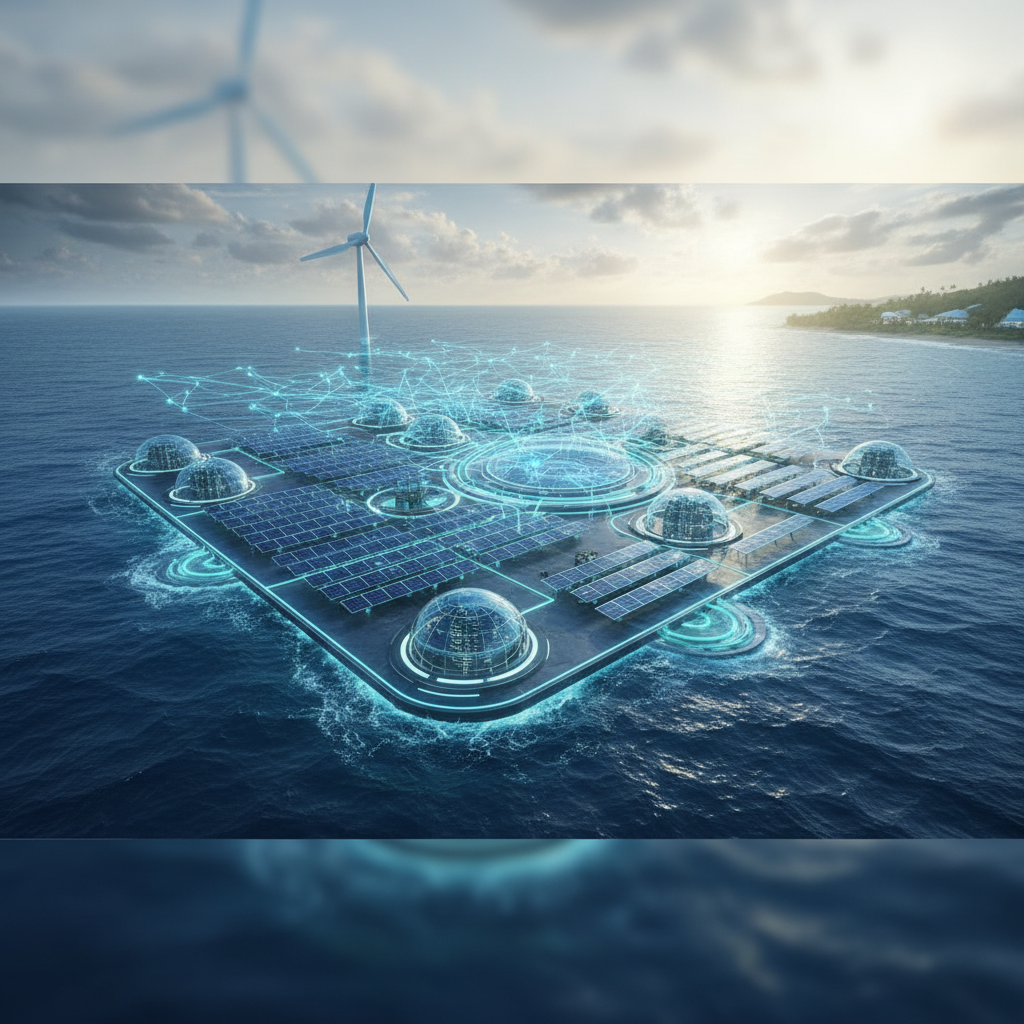
- Panthalassa proposes wave-powered, autonomous offshore data centers for AI.
- The concept aims to solve AI's energy bottleneck without land or grid connections.
- Backed by Peter Thiel, it's touted as a new category of green infrastructure.
- The initiative highlights the critical need for sustainable solutions to high-energy computing.
- It brings novel ocean energy applications to the forefront of green technology.
As the world grapples with the escalating energy demands of artificial intelligence, a radical new concept has surfaced, sparking intense debate and excitement within the tech and environmental communities. Panthalassa's proposal for wave-powered AI data centers, reportedly backed by Peter Thiel, challenges conventional thinking about infrastructure and sustainability, offering a glimpse into a future where the ocean itself could fuel our most advanced technologies.
TL;DR: Key Facts
- Panthalassa proposes ocean-based, wave-powered data centers to fuel AI compute.
- The concept aims to eliminate land constraints and grid connections, operating autonomously.
- Backed by figures like Peter Thiel, it suggests a significant funding round and novel approach.
- The innovation seeks to address the growing energy bottleneck faced by AI development.
- It represents a new category of infrastructure leveraging ocean energy for high-tech needs.
What Happened
Recently, buzz has amplified on professional platforms like LinkedIn regarding Panthalassa, a company advocating for a groundbreaking solution to the soaring energy requirements of artificial intelligence. The concept involves establishing data centers powered entirely by ocean waves, located offshore to operate independently of traditional land-based grids.
These proposed data centers, described as autonomous machines, are designed to circumvent common challenges such as land scarcity and power grid limitations. The project, reportedly backed by high-profile investors like Peter Thiel, is presented as a novel category of infrastructure, leveraging the vast, untapped energy potential of the world's oceans. The reaction to these announcements has been a mix of intrigue and skepticism, characteristic of disruptive innovations.
Why It Matters
This development is critically important for Green Tech because it directly confronts one of the most pressing sustainability challenges of our time: the enormous and rapidly expanding energy footprint of artificial intelligence. As AI models grow more complex and prevalent, their electricity consumption threatens to negate advancements in other areas of green energy. Panthalassa’s vision, while ambitious, offers a potential paradigm shift by marrying two powerful forces – advanced computing and renewable ocean energy – in a way that minimizes environmental impact by design rather than mitigation.
Beyond the direct energy implications, locating data centers offshore and utilizing wave power could alleviate significant ecological pressures on land-based ecosystems, reducing demand for expansive land plots and complex grid infrastructure. It also opens new frontiers for renewable energy, pushing the boundaries of what's possible with ocean power technologies. This kind of innovative thinking is exactly what Green Tech needs to move beyond incremental improvements and tackle systemic issues.
However, the skepticism highlighted in the initial reporting is also vital. The engineering, logistical, and environmental hurdles of deploying and maintaining autonomous data centers in harsh marine environments are immense. Yet, the very discussion around such bold ideas spurs innovation, encouraging investment and research into areas like advanced wave energy conversion, underwater robotics, and sustainable cooling solutions – all crucial components of a greener technological future.
What You Can Do
- Stay Informed on AI's Energy Footprint: Educate yourself on how AI systems consume energy and the environmental implications of this growth.
- Support Green Data Center Initiatives: Advocate for and invest in companies and research focused on making data centers more energy-efficient and reliant on renewable sources.
- Promote Ocean Energy Research: Encourage funding and development for wave, tidal, and other forms of ocean-based renewable energy technologies.
- Question Tech's Environmental Claims: Hold tech companies accountable for their sustainability pledges and scrutinize novel concepts for both their potential benefits and practical challenges.
- Engage in Policy Discussions: Advocate for policies that incentivize sustainable infrastructure development and penalize excessive energy waste in the tech sector.
- Explore Local Green Tech: Research and support local green technology startups that are working on innovative environmental solutions.
Ciro's Take
As an advocate for truly sustainable living, the concept of ocean-powered AI data centers by Panthalassa fills me with a complex mix of awe and healthy skepticism. On one hand, it embodies the audacious, boundary-pushing innovation that Green Tech desperately needs to tackle the climate crisis. The idea of untethering our computational power from land-based grids and harnessing the raw, consistent energy of the ocean is profoundly compelling, offering a vision where our digital advancements don't necessarily come at the expense of our planet. It addresses the AI energy bottleneck head-on, which I believe is one of the next great environmental battlegrounds.
Yet, the pragmatist in me recognizes the colossal engineering and environmental challenges inherent in such a venture. The ocean, as the CleanTechnica article's title wisely reminds us, is not just a convenient server rack. It's a complex, living ecosystem that requires immense respect and careful consideration. Nevertheless, the very existence of such a concept, especially with significant backing, forces us to dream bigger and push for solutions that transcend incremental improvements. It's a reminder that truly green technology must not only be efficient but also fundamentally rethink its relationship with natural systems. This is where the future of Green Tech truly lies.
FAQs
Q: What is Panthalassa's core concept for AI compute?
A: Panthalassa proposes building data centers offshore, powered by wave energy, to provide computing for artificial intelligence without relying on land or traditional power grids.
Q: What environmental benefits are claimed for wave-powered data centers?
A: The concept claims benefits such as reducing land use, eliminating the need for grid connection, and utilizing a clean, renewable energy source (ocean waves) to power energy-intensive AI computation.
Q: What are the main challenges for implementing such a concept?
A: Significant challenges include the engineering complexity of operating and maintaining equipment in harsh marine environments, the potential environmental impact on ocean ecosystems, and the sheer scale and cost of deploying such advanced autonomous infrastructure.
Sources
This article is based on reporting by CleanTechnica.
Original source
CleanTechnica
Author, Digital Entrepreneur & AI Creator
More from Green Tech
- UK Electric Buses Transform into Grid Powerhouses with V2G — May 13, 2026
- Winnipeg Powers Up: 250 EV Chargers Accelerate Sustainable Living — May 11, 2026
- Philippines' Wind Power Dream Hinges on Port Infrastructure — May 10, 2026
- Aviation's Carbon Blind Spot: Ryanair's Soaring Emissions Exposed — May 9, 2026