UK Electric Buses Transform into Grid Powerhouses with V2G
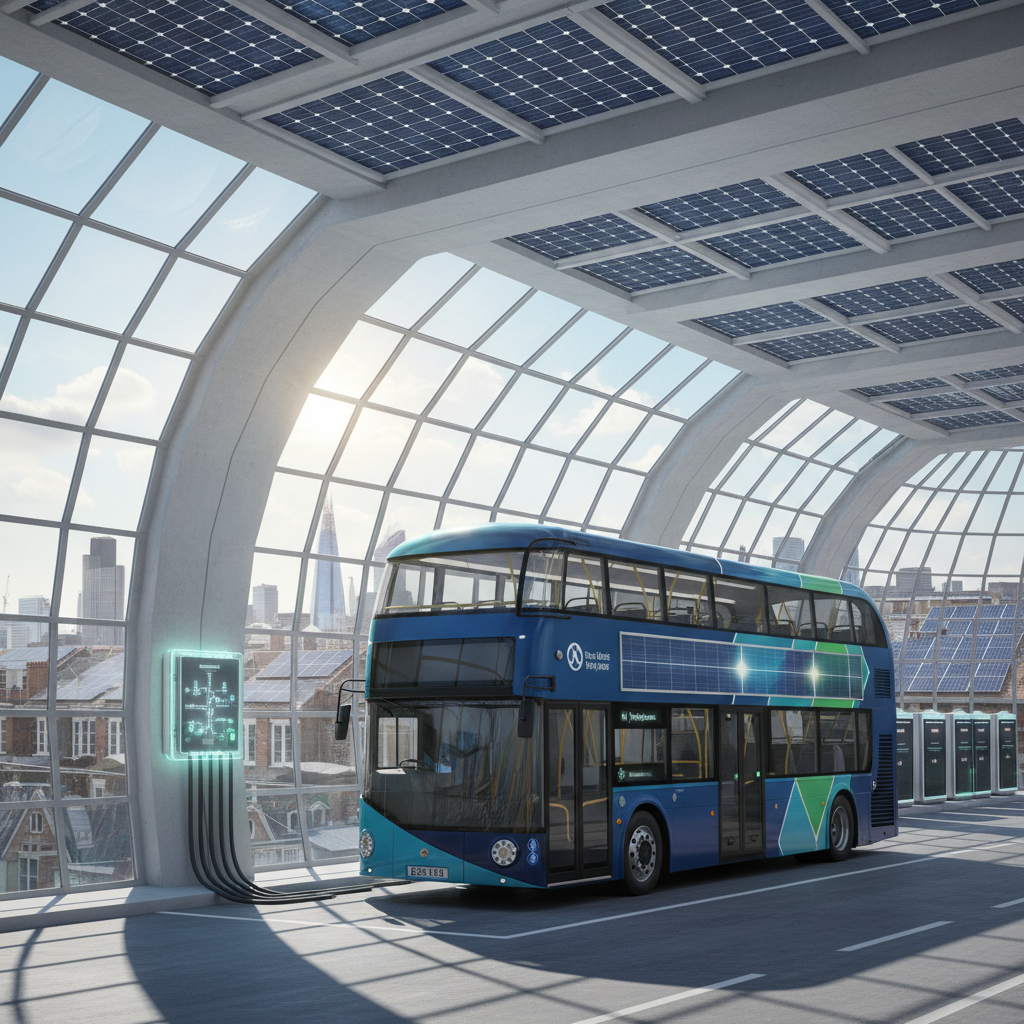
Key Takeaways
- Electric bus depots in the UK are using V2G technology.
- Buses' batteries feed electricity back into the National Grid.
- V2G helps balance energy supply and demand, especially during peaks.
- Electric buses are ideal due to large batteries and predictable downtime.
- This makes electric fleets active contributors to national energy security.
OPENING PARAGRAPH
Imagine your electric vehicle not just getting you from A to B, but also actively strengthening the entire power grid. This isn't a futuristic fantasy, but a reality unfolding in the UK, where electric bus depots are leveraging their parked fleets to feed energy back into the National Grid, showcasing a groundbreaking evolution in green technology.
This innovative approach transforms traditional transport assets into crucial components of our energy infrastructure, promising a more resilient and sustainable future for all.
TL;DR: Key Facts
- Electric bus depots across the UK are deploying Vehicle-to-Grid (V2G) technology.
- This allows the large battery packs of parked electric buses to discharge electricity back into the National Grid.
- V2G helps balance energy supply and demand, particularly during peak consumption periods or when renewable energy sources fluctuate.
- Electric buses are ideal candidates for V2G due to their substantial battery capacity and predictable operational schedules with significant downtime.
- This strategy enhances the value proposition of electric fleets, making them active contributors to national energy security and sustainability.
What Happened
In a significant move demonstrating the multifaceted potential of electric vehicles, the UK's electric bus depots are actively supporting the National Grid by utilizing their vehicle batteries. This initiative isn't merely about powering buses; it's about transforming them into mobile energy storage units capable of injecting power back into the grid when needed.
This pioneering deployment of Vehicle-to-Grid (V2G) technology means that when buses are parked at their depots, their large battery capacities can be tapped into. Instead of just consuming electricity, these buses can now act as distributed power sources, either drawing power to charge during off-peak hours or discharging stored energy during periods of high demand or when the grid requires stabilization.
This integration is crucial for managing the intermittency of renewable energy sources like wind and solar, ensuring a consistent and reliable power supply across the country. The UK National Grid benefits from this flexible energy reservoir, allowing for more efficient grid management and reduced reliance on traditional, often fossil-fuel-based, peaker plants.
Why It Matters
This development is a game-changer for Green Tech, fundamentally altering our perception of electric vehicles. It moves beyond the simple equation of 'EVs reduce emissions' to 'EVs actively stabilize and green the grid.' For GreenNest Living readers, this signals a future where sustainability is not just about individual choices, but about interconnected systems working in harmony to create a resilient, clean energy ecosystem.
By turning electric buses into grid assets, we unlock immense potential for energy security and efficiency. Public transport fleets, with their large numbers and predictable schedules, offer a colossal untapped resource for energy storage. This V2G capability allows for better integration of renewable energy by providing flexible storage that can absorb excess power during high generation periods and release it when generation is low, thus smoothing out supply fluctuations and reducing the need for costly and polluting backup power.
Furthermore, this innovative application of V2G technology presents significant economic benefits. Bus operators could generate revenue by selling power back to the grid, helping to offset the initial investment and operational costs of electric fleets. This makes the business case for transitioning to electric public transport even stronger, accelerating the adoption of sustainable mobility solutions and driving us closer to a truly fossil-free future.
What You Can Do
- Support Public Transport Electrification: Advocate for and use electric public transport in your community, recognizing its dual role in reducing emissions and bolstering energy grids.
- Learn About Smart Grid: Educate yourself on Vehicle-to-Grid (V2G) and other smart grid technologies to understand how future energy systems will operate.
- Engage Local Officials: Ask your local government or energy providers about plans to integrate EVs into grid stability efforts.
- Consider V2G-Enabled EVs (if applicable): If you're in the market for an EV, research models with V2G capabilities, preparing for a future where your personal vehicle could also contribute to grid stability.
- Reduce Peak Energy Consumption: By shifting your energy use to off-peak hours, you indirectly help the grid, complementing the work of V2G systems.
Ciro's Take
This news about electric buses powering the UK grid genuinely excites me. For too long, the narrative around electric vehicles has focused primarily on emissions reduction – which is vital, of course. But this V2G application elevates EVs from mere clean transport to active, dynamic players in our energy infrastructure. It’s a testament to the ingenuity that will define our sustainable future, transforming a fleet of vehicles into a virtual power plant, ready to support the entire nation. This isn't just technology; it's a profound shift in how we conceive of energy, mobility, and community resilience. It reminds me that the solutions to our biggest environmental challenges are often hiding in plain sight, waiting for us to unlock their full potential.
FAQs
Q: What is Vehicle-to-Grid (V2G) technology?
A: Vehicle-to-Grid (V2G) is a system that allows electric vehicles (EVs) to send electricity back to the power grid from their batteries. This bidirectional flow of energy helps to balance demand and supply on the grid.
Q: How does this help the UK National Grid?
A: By allowing electric buses to feed power back into the grid, the UK National Grid gains a flexible energy reserve. This helps manage fluctuations from renewable energy sources, reduce reliance on traditional power plants during peak demand, and improve overall grid stability and resilience.
Q: Can my personal EV do this?
A: While the technology is more commonly deployed in fleet vehicles like buses due to their larger batteries and predictable schedules, a growing number of personal EVs are becoming V2G-compatible. However, V2G charging infrastructure and utility programs for residential users are still developing in most regions.
Sources
This article is based on reporting by CleanTechnica.
Original source
CleanTechnica
Author, Digital Entrepreneur & AI Creator
More from Green Tech
- Ocean-Powered AI: Panthalassa's Bold Vision for Sustainable Compute — May 12, 2026
- Winnipeg Powers Up: 250 EV Chargers Accelerate Sustainable Living — May 11, 2026
- Philippines' Wind Power Dream Hinges on Port Infrastructure — May 10, 2026
- Aviation's Carbon Blind Spot: Ryanair's Soaring Emissions Exposed — May 9, 2026