US Air Force Eyes Space Solar: A New Frontier for Clean Energy
Key Takeaways
- The US Air Force is collaborating with startup Overview Energy to develop space solar power solutions.
- The primary goal is to extend the operational hours of existing terrestrial solar power plants.
- Space solar offers continuous energy capture, unaffected by night, weather, or atmospheric conditions.
- This initiative represents a significant step towards resilient, continuous clean energy for Earth.
The future of clean energy might just be looking up – way up. As the urgency to transition from fossil fuels intensifies, a revolutionary approach is gaining traction: harvesting solar power directly from space. This isn't science fiction anymore; the United States Air Force is actively exploring this innovative pathway, signaling a potentially game-changing shift for our energy infrastructure and environmental future.
TL;DR: Key Facts
- The US Air Force is collaborating with startup Overview Energy to develop space solar power solutions.
- The primary goal is to extend the operational hours of existing terrestrial solar power plants.
- Space solar offers continuous energy capture, unaffected by night, weather, or atmospheric conditions.
- This initiative represents a significant step towards resilient, continuous clean energy for Earth.
What Happened
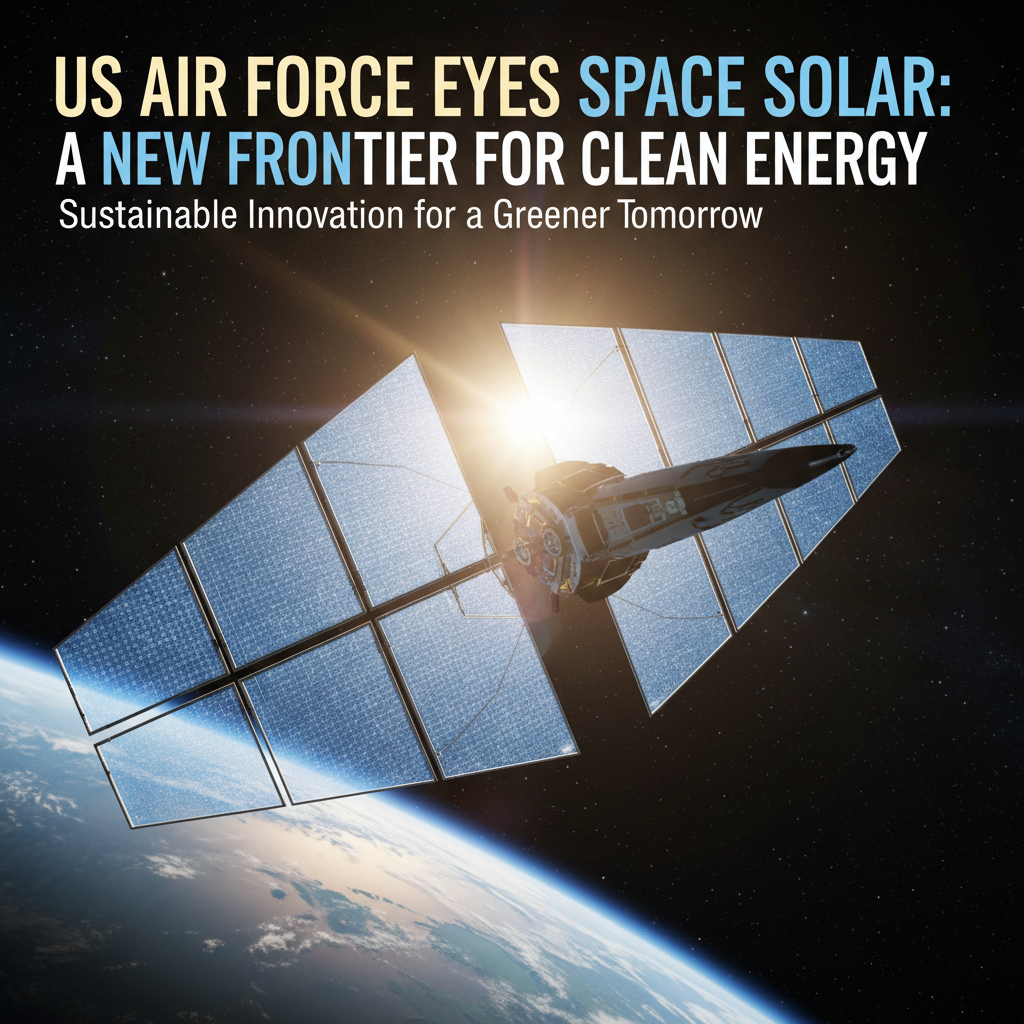
CleanTechnica reports that the United States Air Force is turning its attention to an ambitious new frontier in clean energy: space solar power. This innovative endeavor involves a partnership with Overview Energy, a US-based startup dedicated to developing solutions for harvesting solar energy from orbit. The core concept behind this collaboration is to overcome the inherent limitations of ground-based solar power, such as nighttime and inclement weather, by utilizing continuous energy capture from space.
The specific objective outlined is to extend the operational hours of existing solar power plants on Earth. Currently, terrestrial solar installations cease power generation after sunset or during periods of heavy cloud cover, necessitating backup systems or grid reliance on other sources. By beaming energy from space, where sunlight is constant and unobstructed, Overview Energy's proposed solution aims to provide a continuous, reliable supplement to these ground-based facilities, drastically improving their efficiency and output.
This initiative is not merely about increasing energy supply; it also carries significant implications for energy security and resilience. The Air Force's interest underscores the potential strategic advantages of a stable, weather-independent clean energy source, which could be critical for both civilian infrastructure and defense applications. It marks a pivotal moment where advanced technological innovation, national security interests, and the global push for sustainable energy converge.
Why It Matters
This foray into space solar power is a monumental step for green technology, challenging our conventional understanding of renewable energy deployment. For years, the intermittency of solar and wind power has been a primary hurdle to their widespread adoption as base-load electricity sources. While battery storage is improving, space solar offers a potentially limitless and uninterrupted energy stream, effectively eliminating the "night" and "weather" problems that plague terrestrial solar. This could revolutionize grid stability, making renewable energy not just viable, but superior to fossil fuels in terms of reliability.
Furthermore, the involvement of the US Air Force provides not only significant funding and institutional backing but also validates space solar as a serious, strategic energy solution. This isn't just about environmental benefits; it's about national security, energy independence, and technological leadership. For GreenNest Living readers, this means a future where your home's solar panels, currently idle at night, could be supplemented by clean power beamed from orbit, potentially lowering energy costs and reducing your carbon footprint around the clock. It signals a future where clean energy isn't just a choice, but the most robust and dependable option available.
The development of space solar also pushes the boundaries of engineering and materials science, driving innovation in areas like efficient energy conversion, wireless power transmission, and lightweight, durable orbital infrastructure. These advancements will likely have spillover effects into other green tech sectors, from advanced battery development to smart grid management, accelerating the overall transition to a sustainable economy. It's a beacon of innovation, showing that truly disruptive green solutions are still on the horizon, promising a more secure and sustainable energy future for all.
What You Can Do
- Stay Informed: Follow developments in space solar power and other cutting-edge green technologies. Reliable sources like CleanTechnica and GreenNest Living are great starting points.
- Support Innovation: Advocate for government funding and policies that support research and development in advanced renewable energy solutions, including space solar.
- Optimize Your Home Solar: If you have solar panels, ensure they are well-maintained and consider smart energy management systems to maximize their efficiency and integrate with future grid developments.
- Reduce Your Energy Consumption: While waiting for revolutionary tech, everyday actions like using energy-efficient appliances, sealing drafts, and switching off lights still make a significant difference.
- Educate Others: Share the exciting potential of technologies like space solar power to inspire friends, family, and community members about the future of clean energy.
- Invest Ethically: Look for opportunities to invest in companies and funds focused on sustainable technologies and renewable energy infrastructure.
Ciro's Take
As an environmental advocate, the prospect of space solar power truly ignites my imagination and hope. For too long, the narrative around renewables has been dominated by the challenge of intermittency. This initiative, spearheaded by the Air Force and Overview Energy, offers a vision where clean energy isn't just available when the sun shines or the wind blows, but as a continuous, always-on resource. It's a bold reminder that human ingenuity, when applied to our planet's greatest challenges, knows no bounds—not even the atmosphere itself. This isn't just another green tech; it's a paradigm shift that could fundamentally secure our energy future and, in doing so, secure the health of our planet for generations to come. I'm excited to watch this unfold and see the tangible impact it will have.
FAQs
Q: How does space solar power work?
A: Satellites in Earth's orbit, where sunlight is constant, collect solar energy using large arrays. This energy is then converted into radio frequency or laser power and beamed safely to receiving stations on Earth, which convert it back into electricity for the grid.
Q: Is space solar power safe? What about the beams?
A: Proponents emphasize safety, with the energy beams designed to be low-intensity and dispersed, far below harmful levels. The technology is also engineered to cease transmission if the beam deviates from its target, ensuring no accidental impacts.
Q: When can we expect space solar power to be a widespread reality?
A: While still in early development, significant breakthroughs and demonstrations are anticipated in the next decade. Widespread commercial deployment will likely take longer, but this Air Force initiative suggests accelerated progress in the coming years.
Sources
This article is based on reporting by CleanTechnica.
Original source
CleanTechnica
Author, Digital Entrepreneur & AI Creator
More from Green Tech
- UK Electric Buses Transform into Grid Powerhouses with V2G — May 13, 2026
- Ocean-Powered AI: Panthalassa's Bold Vision for Sustainable Compute — May 12, 2026
- Winnipeg Powers Up: 250 EV Chargers Accelerate Sustainable Living — May 11, 2026
- Philippines' Wind Power Dream Hinges on Port Infrastructure — May 10, 2026
- Aviation's Carbon Blind Spot: Ryanair's Soaring Emissions Exposed — May 9, 2026