Oceanic Sisterhood: Rare Whale Birth Filmed, A Scientific Breakthrough
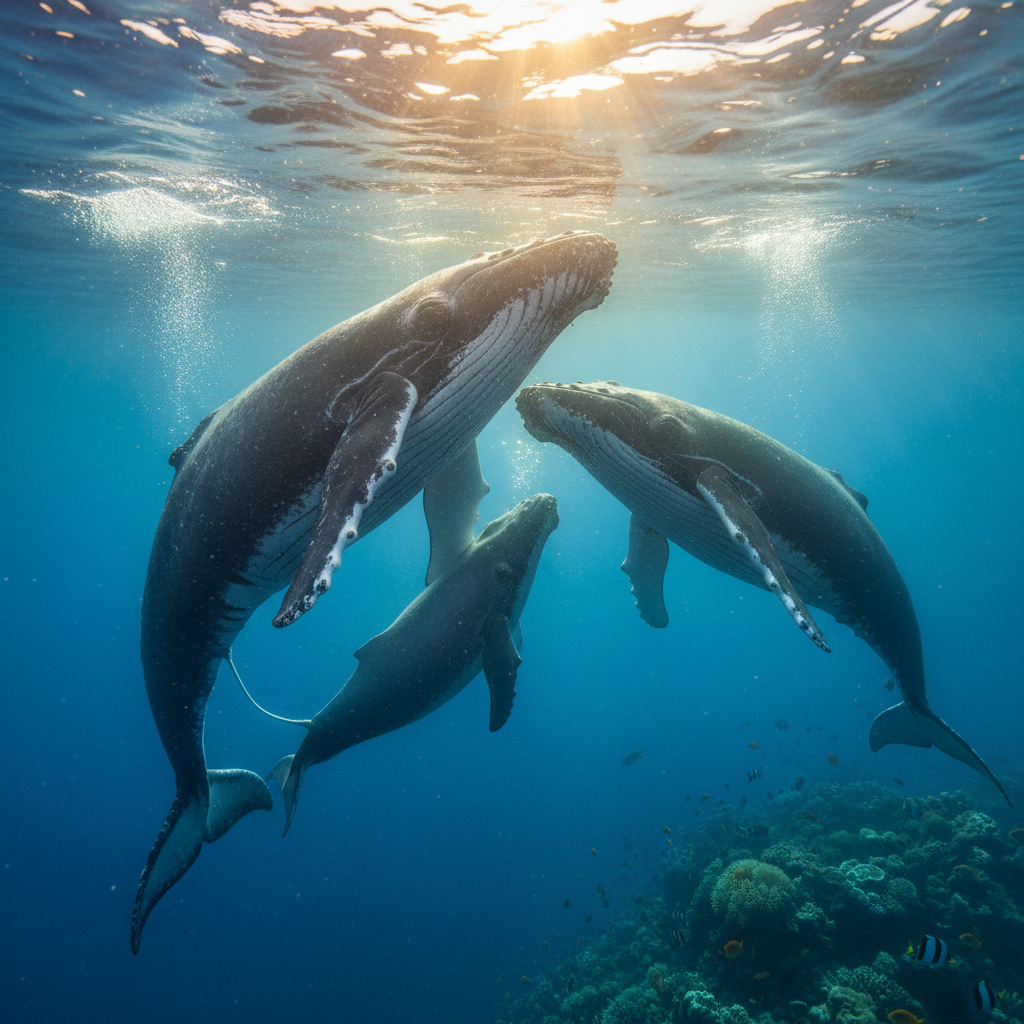
Key Takeaways
- Scientists filmed a sperm whale birth.
- Other female whales provided active support.
- The mother, Rounder, delivered her second calf.
- This is a rare and significant observation of whale social behavior.
- Project Ceti was responsible for the filming.
Imagine witnessing one of nature's most intimate and rarely seen moments: the birth of a colossal ocean dweller. This extraordinary privilege was recently granted to scientists who captured the first-ever footage of a sperm whale giving birth, revealing not just the miracle of life but also the profound, cooperative social structures that underpin marine communities. This isn't just a scientific breakthrough; it's a window into the deep emotional and intelligent lives of creatures we share our planet with, urging us to deepen our commitment to protecting their fragile world.
TL;DR: Key Facts
- Scientists from Project Ceti filmed a sperm whale giving birth.
- The mother, named Rounder, delivered her second calf.
- Other female whales actively surrounded and supported Rounder during the birth.
- This marks a groundbreaking observation of complex social behavior in whales.
- The footage provides unprecedented insight into the private lives of these majestic ocean mammals.
What Happened
In a truly remarkable scientific event, an international team from Project Ceti successfully filmed a sperm whale giving birth. The footage captured the moment a female whale, identified as "Rounder," welcomed her second calf into the world. This alone is an exceptionally rare occurrence to witness, given the deep-sea habitats and elusive nature of sperm whales during such vulnerable periods.
What made this observation even more extraordinary was the behavior of other female whales in the pod. As Rounder prepared to give birth, she was surrounded by her family members. These females were not merely present; they appeared to be actively working together, supporting Rounder throughout the birth process. This cooperative assistance during parturition sheds new light on the intricate social bonds and potential 'midwifery' roles within sperm whale communities, previously only theorized.
Why It Matters
This groundbreaking footage transcends a simple wildlife documentary clip; it’s a profound scientific revelation that reshapes our understanding of marine mammal intelligence and social dynamics. For years, scientists have hypothesized about the complex social structures of whales, but direct visual evidence of such intricate cooperative care during a birth has been elusive. Witnessing this "oceanic sisterhood" in action provides undeniable proof of advanced empathy, communication, and collective responsibility within a species that navigates vast, often challenging, ocean environments. It challenges anthropocentric views of intelligence, reminding us that deep emotional connections and collaborative care are not exclusive to humans or even land mammals.
From a "Wildlife & Nature News" perspective, this discovery is vital. Firstly, it offers an unprecedented look into the reproductive ecology of sperm whales, a species listed as Vulnerable by the IUCN. Understanding their birth processes and the communal support system is crucial for conservation efforts. It highlights the importance of maintaining stable, healthy pods, as disruption to these social structures – perhaps from increased ocean noise, chemical pollution, or accidental ship strikes – could have devastating long-term impacts on their reproductive success and species survival. If whales rely on this communal support for successful births, then anything that fragments their families or impairs their communication could jeopardize future generations.
Furthermore, this footage fosters a deeper appreciation and emotional connection to marine life. When we see such clear evidence of sophisticated social behavior, it reinforces the inherent value of these animals and their ecosystems. It’s a powerful reminder of the incredible biodiversity that thrives beneath the waves, much of which remains undiscovered and vulnerable. For our readers at GreenNest Living, this isn't just a story about whales; it's an urgent call to recognize the intricate web of life in our oceans and to act as responsible stewards of this planet's natural heritage. Protecting these magnificent creatures and their habitats is not just about saving a species; it's about preserving the delicate balance of our global ecosystem and the wonder of life itself.
What You Can Do
The wonder of this discovery should inspire us all to take action to protect our oceans and their incredible inhabitants. Here are some practical steps you can take:
- Support Marine Conservation: Donate to or volunteer with reputable organizations dedicated to marine research and protection, like Project Ceti or groups focused on cetacean conservation.
- Reduce Plastic Consumption: Minimize your use of single-use plastics, which often end up in our oceans, posing a severe threat to marine life through entanglement and ingestion. Opt for reusable alternatives.
- Choose Sustainable Seafood: Make informed choices when buying seafood. Look for certifications that indicate sustainable fishing practices to help reduce overfishing and bycatch, which can harm whales and other marine species.
- Educate Yourself and Others: Learn more about marine ecosystems, the threats they face, and share your knowledge. Awareness is the first step towards change.
- Advocate for Quieter Oceans: Support policies and technologies that reduce ocean noise pollution from shipping, sonar, and oil exploration, which can disrupt whale communication, navigation, and social activities.
- Reduce Your Carbon Footprint: Climate change leads to ocean acidification and warming, impacting marine food chains and habitats. Adopt eco-friendly practices in your daily life to lessen your environmental impact.
FAQs
Q: Why is filming a whale birth so rare?
A: Filming a whale birth is exceptionally rare because these events occur deep underwater, often in vast, remote ocean regions. Whales are also highly sensitive and typically seek secluded areas when giving birth, making direct observation by humans incredibly challenging and rare.
Q: What does this observation tell us about whale intelligence and emotions?
A: This footage strongly suggests advanced social intelligence, empathy, and complex cooperative behavior among whales. The active support provided by other females indicates a sophisticated level of social bonding and care that challenges previous assumptions about animal consciousness and emotional depth.
Q: Are sperm whales currently facing threats, and how does this discovery impact conservation?
A: Yes, sperm whales are listed as Vulnerable by the IUCN. They face threats from historic whaling, accidental entanglement in fishing gear (bycatch), and increasing ocean noise pollution that disrupts their communication and ability to find food. This discovery highlights the intricate social structures that are vital for their reproduction and survival, underscoring the critical need for robust conservation efforts to protect their habitats and social dynamics.
Sources
This article is based on reporting by The Guardian Environment.
Original source
The Guardian Environment
Author, Digital Entrepreneur & AI Creator
More from Wildlife & Nature News
- The Silent Drain: Sand Scarcity Threatens Global Ecosystems — May 13, 2026
- Celestial Glimpse: Earth's Glow, Our Lost Night Skies — May 11, 2026
- Google's UK Datacentre Emissions Understated by Factor of Five — May 10, 2026
- Cosmic Beacon: Earth's Glow Inspires Global Stewardship — May 9, 2026
- Amazon Tipping Point: Deforestation, Warming Threaten Rainforest by 2040s — May 8, 2026