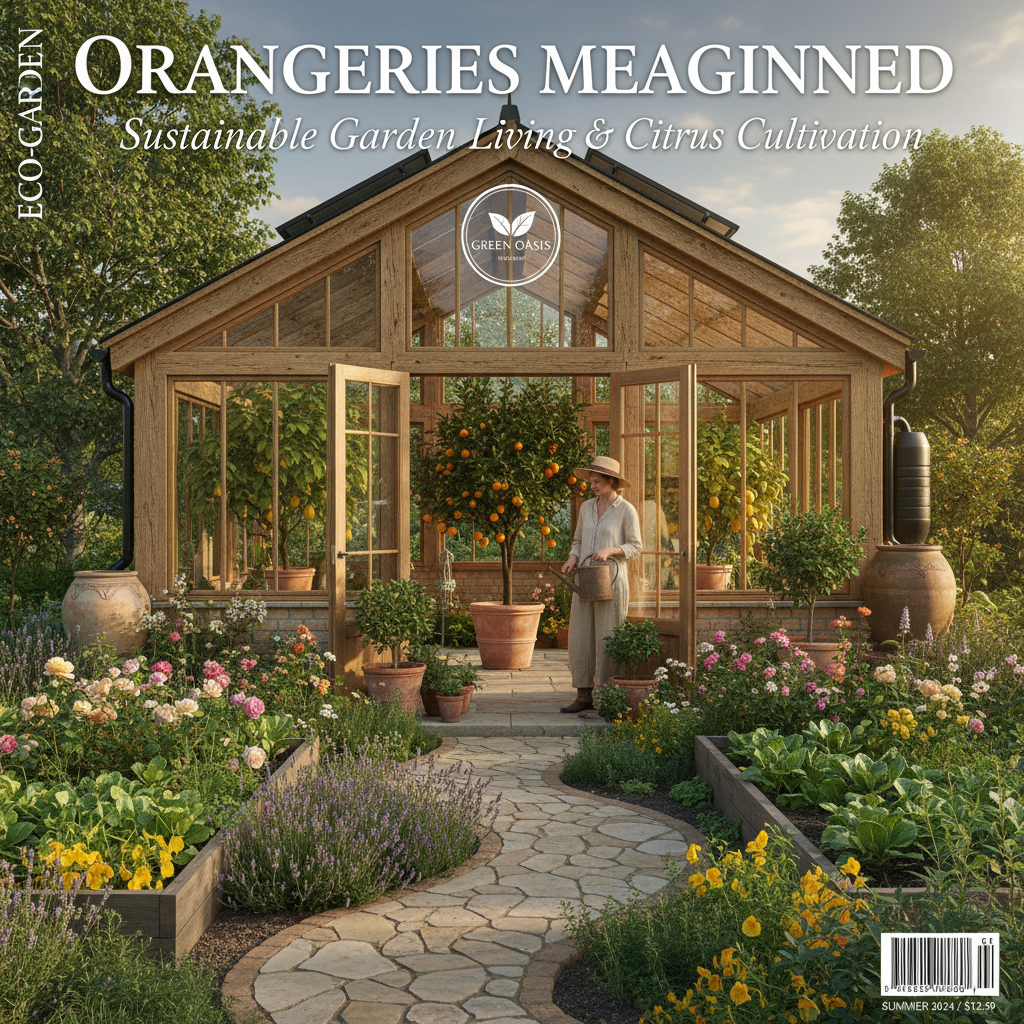
Orangeries Reimagined: Sustainable Garden Living & Citrus Cultivation
Key Takeaways
- Orangeries are 17th-century structures for cultivating citrus and other tender plants.
- They were designed as lavish, light-filled buildings for both plant care and social gatherings.
- Modern interpretations blend historic aesthetics with contemporary design for home integration.
- These structures provide year-round protected environments for diverse plant cultivation.
- The concept promotes sustainable indoor-outdoor gardening practices and local food production.
OPENING PARAGRAPH
Imagine a sun-drenched sanctuary where exotic plants thrive year-round, blurring the lines between indoors and out. The classic orangery, once a symbol of aristocratic indulgence, is experiencing a remarkable modern renaissance, offering a sustainable and beautiful solution for gardeners eager to extend their growing season and connect deeply with nature, regardless of climate.
TL;DR: Key Facts
- Orangeries originated in the 17th century as grand structures for cultivating citrus fruits.
- These lavish, light-filled buildings served both as functional greenhouses and elegant spaces for entertaining.
- Modern interpretations are bringing this historic concept back, adapting it for contemporary homes and sustainable living.
- They provide a protected environment, allowing for year-round cultivation of tender and exotic plants.
What Happened
The term “orangery” first emerged in the 17th century, a direct response to a burgeoning craze for citrus fruits among Europe’s nobility. Wealthy estates across the continent began constructing elaborate, light-filled buildings specifically dedicated to the cultivation of oranges, lemons, and other delicate citrus species that couldn't withstand cooler climates.
Beyond their primary horticultural purpose, these stately outbuildings quickly evolved into versatile spaces. They were often designed with architectural grandeur comparable to the main residence, serving as sophisticated venues to entertain and impress guests. The recent interest in modern-day orangeries suggests a renewed appreciation for these unique structures, blending their historical charm with contemporary design and functionality.
Why It Matters
For GreenNest Living readers, the resurgence of the orangery is more than just a design trend; it's a powerful statement about sustainable living and our connection to nature. In an era where local food sourcing and reduced carbon footprints are paramount, an orangery allows you to cultivate a diverse range of fruits, vegetables, and herbs year-round, significantly extending your growing season regardless of your local climate. This not only provides fresh, organic produce right at your doorstep but also reduces reliance on commercially shipped goods, lessening environmental impact.
Beyond food production, a modern orangery offers a dedicated, light-filled sanctuary for tender plants that wouldn't survive outdoors in many regions. Think about nurturing tropical houseplants, delicate orchids, or even starting seedlings months ahead of spring. It transforms a garden into a four-season experience, promoting biophilic design principles by seamlessly integrating living greenery into your home environment. This constant connection to nature has proven benefits for mental well-being, reducing stress and enhancing overall quality of life.
Moreover, contemporary orangeries can be designed with sustainability at their core. Utilizing passive solar gain to maximize warmth and light, incorporating efficient ventilation systems, and even collecting rainwater for irrigation can make these structures incredibly resource-efficient. They represent a long-term investment in your home's value, your personal well-being, and a more sustainable, self-sufficient lifestyle, moving beyond temporary greenhouses to create a permanent, beautiful extension of your green living aspirations.
What You Can Do
- Research Designs: Explore modern orangery and conservatory designs to see how these versatile spaces can be integrated into existing homes or new builds.
- Consider Plant Choices: Plan what you'd like to grow. While citrus is traditional, expand your thinking to include tropical herbs, tender perennials, or even early-season vegetables.
- Optimize Existing Spaces: If a full orangery isn't feasible, consider maximizing a sunny south-facing room or adding a small, insulated sunroom to mimic orangery conditions.
- Implement Passive Solar Principles: Learn about how natural light and thermal mass can heat your space. This can be applied to any plant-growing area for energy efficiency.
- Connect with Experts: Consult with architects, builders, or specialist horticulturists experienced in climate-controlled growing spaces to ensure your project is both beautiful and functional.
- Start Small: Experiment with a dedicated windowsill collection of citrus or tropical plants to understand their needs before committing to a larger project.
FAQs
Q: What's the main difference between an orangery and a greenhouse?
A: Orangeries are typically more substantial architectural extensions of a home, often featuring solid or partially opaque roofs and a focus on aesthetics and entertaining, whereas greenhouses are primarily functional structures, often fully transparent, designed solely for optimal plant growth and propagation.
Q: Are orangeries only for citrus trees?
A: While traditionally for citrus, modern orangeries can host a wide variety of tender plants, tropicals, herbs, and even provide a warm, bright space for year-round food cultivation beyond just citrus.
Q: Is building an orangery a sustainable choice?
A: Yes, modern orangeries can be highly sustainable. They leverage natural light, passive solar heating, and can enable year-round local food production, significantly reducing reliance on imported goods and minimizing your carbon footprint.
Sources
This article is based on reporting by Gardenista.
Original source
Gardenista
Author, Digital Entrepreneur & AI Creator
More from Garden & Plants
- LA Oasis: Modern Spanish Colonial Design for Sustainable Living — May 13, 2026
- Flowering Shrubs: The Underrated Backbone of Your Eco-Garden — May 11, 2026
- Native Wisteria: Blooming Beauty, Boosting Biodiversity — May 10, 2026
- Embracing the Subtle Beauty of Shade Gardens — May 9, 2026
- Ground Covers: The Low-Maintenance Path to a Greener Yard — May 8, 2026