Oregon Fishery Revival: A Quarter-Century of Sustainable Success
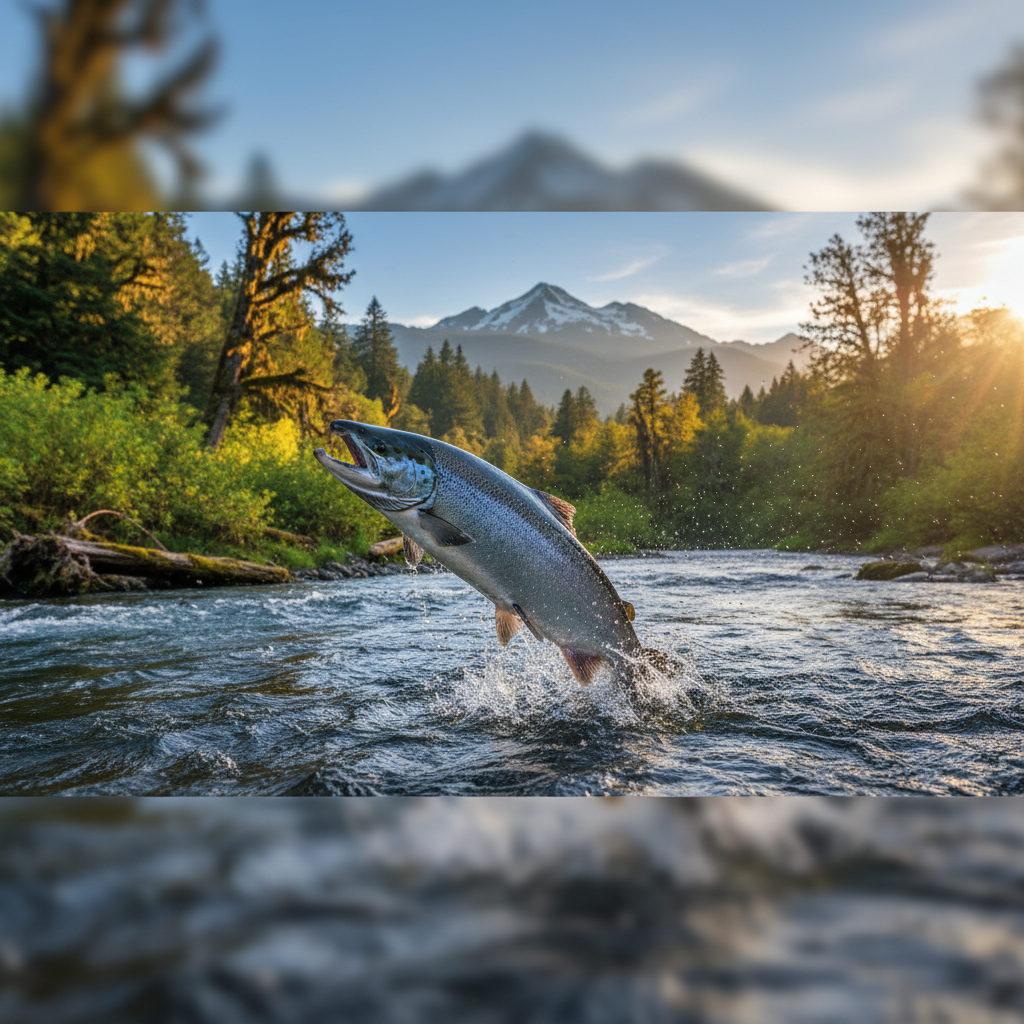
Key Takeaways
- Major U.S. fishery declared disaster 25 years ago has made a significant comeback.
- The recovery is due to strict quotas, catch shares, vessel buyouts, and monitoring.
- Species like redbanded rockfish are now thriving, increasing fishing quotas.
- Local fishing communities are benefiting from the return to sustainable practices.
- Collaboration between scientists, regulators, and fishermen was crucial for success.
In an era dominated by disheartening environmental news, a powerful story emerges from the U.S. Pacific Northwest, offering a beacon of hope for marine ecosystems worldwide. The dramatic recovery of a major U.S. fishery off the Oregon coast, once declared a federal disaster, demonstrates that dedicated conservation efforts, stringent management, and community collaboration can indeed turn the tide. This resurgence proves that ecological and economic health can go hand-in-hand, providing a vital blueprint for sustainable living and resource management right now.
TL;DR: Key Facts
- A major U.S. fishery, the Pacific Coast Groundfish, was declared a federal disaster 25 years ago due to severe overfishing.
- Today, groundfish populations, including species like redbanded rockfish, have largely rebounded, leading to increased fishing quotas.
- The recovery is attributed to a comprehensive strategy involving strict catch limits, vessel buybacks, catch share programs, and robust monitoring.
- Local fishing communities, like those in Port Orford, Oregon, are now experiencing the benefits of sustainable practices and healthier stocks.
- This success highlights the critical role of collaboration between scientists, regulators, and fishing industry stakeholders in achieving long-term sustainability.
What Happened
Twenty-five years ago, the Pacific Coast Groundfish fishery, stretching from Canada to Mexico, was in dire straits. Years of overfishing had decimated populations of species vital to the ecosystem and local economies, leading to its declaration as a federal fishing disaster. Quotas were drastically cut, fishing communities suffered, and the future of the industry looked bleak. This period marked a low point for marine resource management in the region.
However, through a concerted and often difficult effort, the situation has dramatically reversed. Federal and state agencies, in partnership with scientists and fishermen, implemented a series of rigorous conservation measures. These included establishing strict catch limits based on scientific assessments, introducing a catch share program that allocates a percentage of the total allowable catch to individual fishing operations, and funding a fishing vessel buyout program to reduce overall capacity. Furthermore, intensive monitoring, including at-sea observers and electronic monitoring, ensured compliance and data collection.
Today, the results are undeniable. Species like the redbanded rockfish, once imperiled, are thriving. Fishermen like Aaron Longton in Port Orford, Oregon, are now able to sustainably harvest these fish, benefiting from increased quotas and a healthier marine environment. The comeback isn't just ecological; it's economic, revitalizing coastal towns and demonstrating a successful model of adaptive management and environmental stewardship.
Why It Matters
This remarkable fishery comeback offers more than just a good news story; it provides tangible evidence that systemic environmental problems can be solved through persistent effort and science-based policy. For readers of GreenNest Living, it underscores the profound impact that thoughtful resource management can have on both wildlife and human livelihoods. It's a testament to the idea that economic prosperity and ecological health are not mutually exclusive, but rather deeply intertwined. This success serves as a powerful counter-narrative to the often-depressing headlines about species loss and environmental degradation, inspiring action and belief in restorative justice for nature.
Furthermore, this narrative highlights the critical importance of collaboration. The comeback wasn't a top-down mandate or a purely bottom-up movement; it was a complex dance between government regulators, scientific researchers, and the very fishermen whose livelihoods were at stake. This partnership, forged through initial hardship and ongoing dialogue, built trust and led to innovative solutions tailored to the unique challenges of the fishery. It's a powerful lesson in stakeholder engagement and adaptive management, crucial for tackling other complex environmental issues like climate change and biodiversity loss.
Ultimately, this success story encourages us to look beyond quick fixes and embrace long-term, comprehensive strategies. It shows that even after a "disaster" declaration, ecosystems can heal, and industries can adapt to become truly sustainable. For anyone passionate about wildlife conservation and a healthier planet, this fishery's journey from crisis to thriving health is a vivid illustration of hope and the enduring power of collective action.
What You Can Do
Inspired by this success? Here’s how you can contribute to sustainable fisheries and marine conservation:
- Choose Sustainable Seafood: Look for certifications like the Marine Stewardship Council (MSC) label when purchasing seafood. These indicate that the fish was caught using sustainable practices.
- Support Policy Advocacy: Research and support organizations that advocate for strong fishery management policies, science-based quotas, and marine protected areas.
- Learn About Your Local Fisheries: Understand the challenges and successes of fisheries in your region. Local support can make a big difference for sustainable practices.
- Reduce Your Carbon Footprint: Climate change impacts ocean health significantly. By reducing your energy consumption and waste, you lessen pressure on marine ecosystems.
- Educate Yourself and Others: Share success stories like the Pacific Coast Groundfish comeback to inspire others and highlight the effectiveness of conservation efforts.
- Volunteer or Donate: Support marine conservation organizations through your time or financial contributions. They often play a crucial role in research, advocacy, and on-the-ground projects.
FAQs
Q: What is a "catch share" program?
A: A catch share program is a fisheries management tool that allocates a specific percentage of the total allowable catch (TAC) to individual fishermen, cooperatives, or communities. It gives participants a secure, long-term share of the fishery, often leading to more responsible and economically efficient fishing practices by removing the race to fish.
Q: How can I identify truly sustainable seafood?
A: The most reliable way is to look for reputable third-party certifications like the Marine Stewardship Council (MSC) blue label. You can also consult seafood guides from organizations like the Monterey Bay Aquarium Seafood Watch, which provide up-to-date recommendations based on scientific assessments of various fisheries.
Q: Is this comeback truly sustainable for the long-term?
A: While the current recovery is robust, long-term sustainability requires ongoing vigilance. This includes continuous scientific monitoring, adaptive management to respond to environmental changes (like climate change), strict enforcement of regulations, and continued collaboration among all stakeholders. The success demonstrates that sustainability is an ongoing commitment, not a final destination.
Sources
This article is based on reporting by Mongabay.
Original source
Mongabay
Author, Digital Entrepreneur & AI Creator
More from Wildlife & Nature News
- The Silent Drain: Sand Scarcity Threatens Global Ecosystems — May 13, 2026
- Celestial Glimpse: Earth's Glow, Our Lost Night Skies — May 11, 2026
- Google's UK Datacentre Emissions Understated by Factor of Five — May 10, 2026
- Cosmic Beacon: Earth's Glow Inspires Global Stewardship — May 9, 2026
- Amazon Tipping Point: Deforestation, Warming Threaten Rainforest by 2040s — May 8, 2026