Perennial Edibles: Your Garden's Inflation Fighter
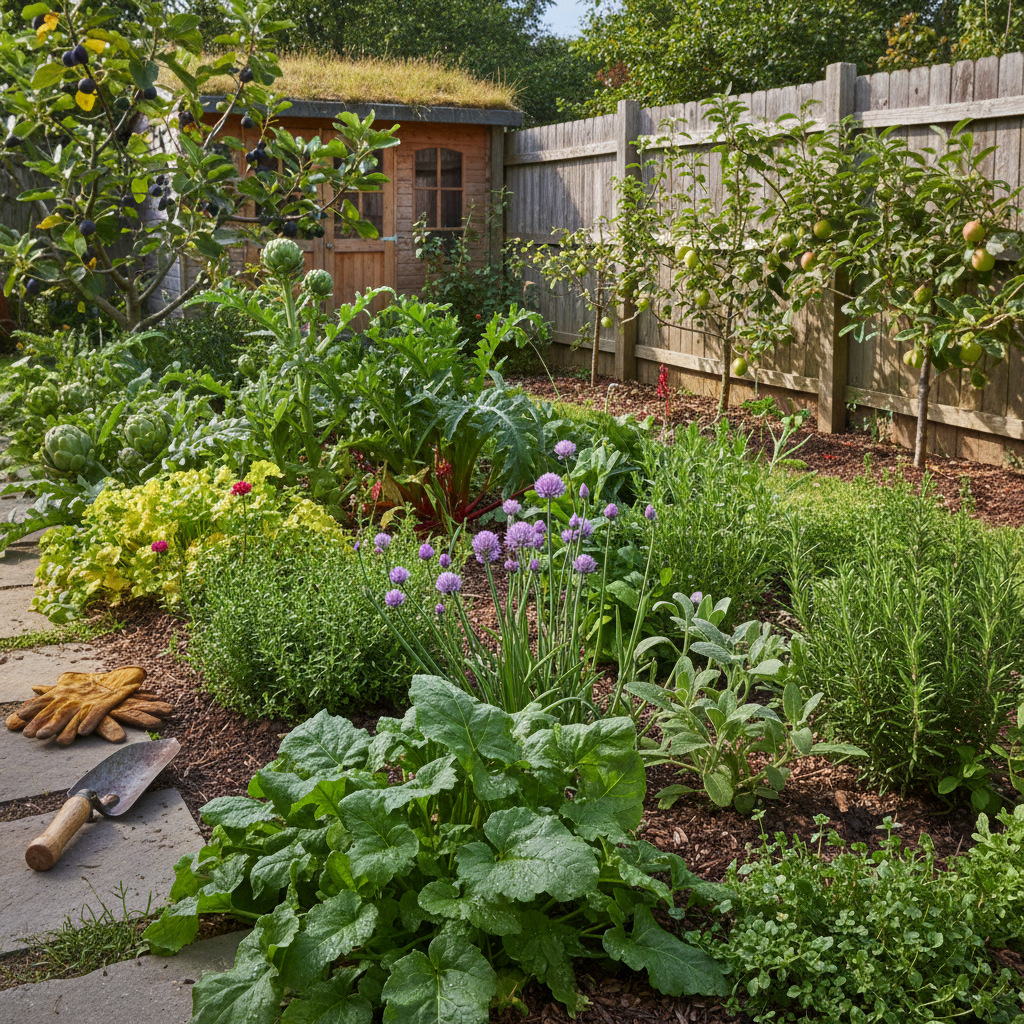
Key Takeaways
- Perennial edible gardening combats inflation by reducing grocery expenses.
- These plants require less effort and cost after initial planting.
- They offer continuous, season-long harvests for increased food security.
- Perennials contribute to healthier soil and support local biodiversity.
- Adaptable for various garden sizes, including small urban spaces and containers.
With grocery prices continuing their relentless climb, many of us are feeling the pinch at the checkout counter. The good news? Your garden, no matter its size, can become a powerful tool in your fight against inflation and a cornerstone of a more sustainable lifestyle.
Embracing perennial edible gardening offers a smart, long-term solution, allowing you to harvest fresh food year after year with minimal effort, transforming your approach to food security and financial savings.
TL;DR: Key Facts
- Rising grocery prices make growing your own food an urgent and practical solution.
- Perennial edible plants offer significant long-term savings by reducing the need for annual replanting.
- They require less time and labor compared to annual gardens once established.
- Perennials provide continuous harvests, enhancing household food security and fresh produce availability.
- Edible perennial gardens can be adapted for various spaces, from containers to large plots.
What Happened
As noted by Gardenista, the persistent increase in grocery store costs is prompting a surge of interest in home food production. Many individuals and families are turning to gardening—whether in small containers on a patio, dedicated vegetable beds, or shared community plots—as a direct response to financial pressures.
Within this movement, the concept of a perennial edible garden stands out as a particularly efficient and sustainable approach. Unlike annual plants that need to be re-sown or replanted each year, perennials return season after season. This characteristic translates into substantial savings in both money spent on seeds or starter plants, and the time and effort invested in garden preparation and planting.
By focusing on edibles that thrive for multiple years, gardeners can establish a productive system that yields food with less ongoing input, making home food cultivation more accessible and less daunting for those looking to offset their grocery bills and embrace a more self-sufficient lifestyle.
Why It Matters
For GreenNest Living readers, the shift towards perennial edible gardening isn't just about saving a few dollars; it's a profound step towards genuine food independence and environmental stewardship. In an era where supply chain disruptions and climate change increasingly threaten global food systems, cultivating resilient food sources in our own backyards becomes an act of empowerment. Perennials, by their very nature, build healthier soil ecosystems over time, requiring less tillage and reducing soil erosion. Their established root systems improve water infiltration and retention, making your garden more drought-resistant and reducing the need for supplemental irrigation.
Beyond the direct financial benefits and reduced labor, integrating perennial edibles into your landscape contributes to local biodiversity. Many perennial food plants, especially native varieties, provide habitat and sustenance for pollinators and beneficial insects, playing a crucial role in supporting ecological balance. This approach to gardening transforms your space from a mere aesthetic feature into a dynamic, productive ecosystem that benefits both your household and the broader environment. It aligns perfectly with GreenNest Living's ethos of sustainable living, encouraging practices that are gentle on the planet while enriching our lives.
Furthermore, the long-term nature of perennial gardening fosters a deeper connection to the rhythm of seasons and the natural world. It encourages patience, observation, and a fundamental understanding of where our food comes from. This isn't just gardening; it's an investment in personal health, community resilience, and a more sustainable future, making your home garden a vibrant symbol of self-reliance and ecological harmony.
What You Can Do
- Research Local Perennials: Identify perennial edible plants that thrive in your specific climate zone and soil type. Look for native options to support local ecology.
- Start Small and Experiment: Don't feel overwhelmed. Begin with one or two easy-to-grow perennial edibles like rhubarb, asparagus, or specific berry bushes.
- Prepare Your Soil Well: Healthy soil is the foundation for thriving perennials. Amend with compost to ensure good drainage and nutrient content for long-term growth.
- Consider Container Gardening: If space is limited, many perennial herbs (mint, chives, oregano) and even some small fruits (strawberries) can flourish in containers.
- Plan for Continuous Harvests: Diversify your perennial choices to ensure a staggered harvest throughout the growing season, maximizing your food yield.
- Learn About Companion Planting: Utilize companion planting strategies to naturally deter pests and promote healthier growth among your perennial edibles without synthetic chemicals.
FAQs
Q: What exactly is a perennial edible?
A: A perennial edible is a plant that lives for more than two years and produces food (fruits, vegetables, herbs, nuts) without needing to be replanted each season.
Q: How do perennial edibles save money compared to annuals?
A: They save money by eliminating the need to purchase new seeds or plants every year, reducing ongoing material costs and the labor associated with yearly planting.
Q: Can I grow perennial edibles in a small urban space?
A: Absolutely! Many perennial herbs, berries, and even dwarf fruit trees are well-suited for containers or small raised beds, making them ideal for urban environments.
Sources
This article is based on reporting by Gardenista.
Original source
Gardenista
Author, Digital Entrepreneur & AI Creator
More from Garden & Plants
- LA Oasis: Modern Spanish Colonial Design for Sustainable Living — May 13, 2026
- Flowering Shrubs: The Underrated Backbone of Your Eco-Garden — May 11, 2026
- Native Wisteria: Blooming Beauty, Boosting Biodiversity — May 10, 2026
- Embracing the Subtle Beauty of Shade Gardens — May 9, 2026
- Ground Covers: The Low-Maintenance Path to a Greener Yard — May 8, 2026