Peru's Amazon Under Threat: Oil & Gas Expansion Hits Alarming High
Key Takeaways
- Peru leads Amazonian nations with 85 new oil and gas blocks in pre-production.
- This expansion poses severe risks to the Amazon's biodiversity and ecological integrity.
- The projects threaten indigenous communities and their ancestral lands.
- Increased fossil fuel extraction undermines global climate change mitigation efforts.
- New data from the Stockholm Environment Institute highlights this escalating environmental crisis.
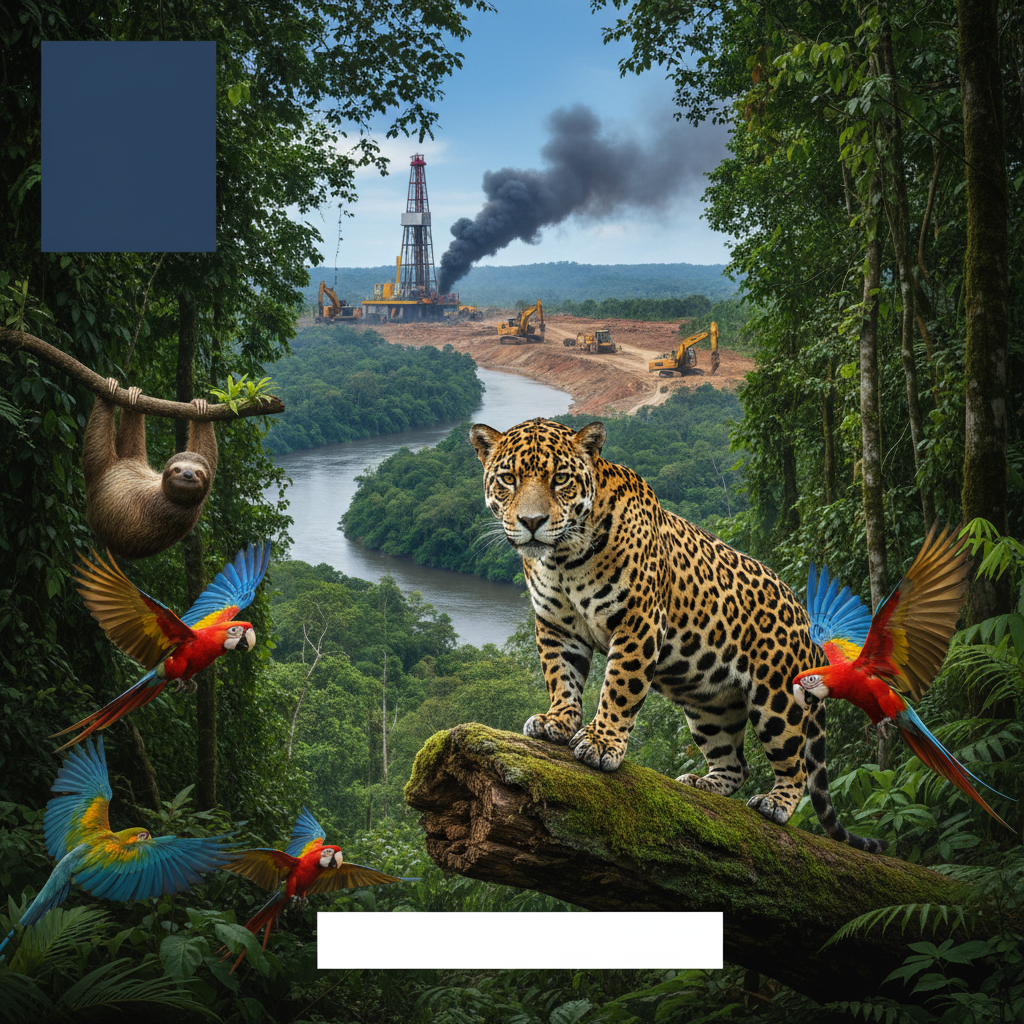
The heart of the Amazon rainforest is facing an escalating environmental crisis, and new data shines a stark light on where the greatest pressure is currently building. Peru, a nation celebrated for its extraordinary biodiversity, is now at the forefront of a worrying trend: the rapid expansion of oil and gas projects within this irreplaceable ecosystem. For readers committed to sustainable living and the protection of our planet's most vital natural heritage, this development demands urgent attention, as the choices made today will shape the future of the Amazon and its myriad inhabitants.
TL;DR: Key Facts
- Peru leads all Amazonian nations in the number of new oil and gas projects heading into pre-production.
- A staggering 85 oil and gas blocks in Peru are currently in the pre-production phase within the Amazon rainforest.
- This figure significantly exceeds that of its neighbors, with Colombia having 68 and Brazil 53 pre-production blocks.
- Overall, Peru holds 173 active oil and gas lease blocks across its Amazonian territory.
What Happened
According to a recently published dataset by the Stockholm Environment Institute, Peru is now home to the highest concentration of nascent oil and gas extraction projects in the Amazon basin. The data indicates that Peru has an alarming 85 oil and gas blocks currently in the crucial pre-production phase within the rainforest. This stage typically involves extensive exploration and planning before full-scale drilling and extraction commence, often entailing significant infrastructure development such as seismic testing, access road construction, and establishment of base camps.
This places Peru's Amazonian footprint for fossil fuel development considerably ahead of other major Amazonian countries. For comparison, Colombia, another nation with a significant Amazonian presence, has 68 such blocks in pre-production, while Brazil, home to the largest portion of the Amazon, has 53. The data further reveals that Peru possesses a total of 173 oil and gas lease blocks overall, underscoring the vast potential for future expansion of extractive industries deep within its rainforest territories. This concentration of new projects signals an intensifying commitment to fossil fuel development, often in remote and ecologically sensitive areas.
Why It Matters
For wildlife and nature enthusiasts, as well as anyone concerned about the health of our planet, this news from Peru is deeply unsettling. The Amazon rainforest is not merely a collection of trees; it is a global treasure chest of biodiversity, home to an estimated 10% of the world's known species, many of which are endemic and found nowhere else. The expansion of oil and gas projects into these pristine areas directly threatens countless species, from jaguars and tapirs to untold varieties of insects, amphibians, and plants. Infrastructure development, such as roads and pipelines, carves through vital habitats, leading to fragmentation, deforestation, and increased accessibility for illegal logging, hunting, and mining, creating a cascade of ecological destruction.
Beyond direct habitat loss, oil and gas extraction carries a high risk of environmental contamination. Oil spills, even minor ones, can have devastating, long-lasting impacts on aquatic ecosystems, poisoning rivers and soil, and affecting the entire food web. The disposal of drilling waste, often containing toxic chemicals, further pollutes freshwater sources that communities and wildlife rely upon. Furthermore, this surge in fossil fuel development directly undermines global efforts to combat climate change. Extracting and burning these resources releases vast quantities of greenhouse gases into the atmosphere, while the associated deforestation diminishes the Amazon’s critical role as a carbon sink, accelerating global warming. The degradation of this vital ecosystem also disrupts crucial hydrological cycles, impacting weather patterns far beyond South America.
Moreover, the expansion of these projects often encroaches upon the ancestral lands of indigenous communities. These communities, who have been stewards of the Amazon for millennia, face threats to their way of life, their health, and their very existence. Forced displacement, cultural erosion, and the introduction of diseases are tragic consequences, frequently occurring without free, prior, and informed consent. This drive for extraction also represents a broader philosophical challenge: are we prioritizing short-term economic gains over long-term environmental sustainability and human rights? The data from Peru compels us to ask difficult questions about our energy future and the true cost of our consumption habits on the most vulnerable ecosystems and peoples.
What You Can Do
- Educate Yourself Further: Dive deeper into the specifics of oil and gas extraction in the Amazon, understanding its full environmental and social costs. Knowledge is the first step towards advocacy.
- Support Indigenous-Led Conservation: Seek out and contribute to organizations directly supporting indigenous communities in the Amazon, as they are often the most effective guardians of the forest.
- Reduce Your Fossil Fuel Reliance: Consciously reduce your personal consumption of fossil fuels by opting for public transport, cycling, walking, or investing in renewable energy sources where possible.
- Advocate for Stronger Policies: Contact your elected representatives to express your concern about fossil fuel expansion in fragile ecosystems and advocate for policies that prioritize renewable energy and indigenous land rights.
- Demand Corporate Responsibility: Research and support companies that demonstrate a genuine commitment to environmental protection and ethical sourcing, avoiding those implicated in rainforest destruction.
- Spread the Word: Share this information with your friends, family, and social networks to raise awareness about the critical situation facing the Peruvian Amazon.
FAQs
Q: What is the significance of the Amazon rainforest globally?
A: The Amazon is the world's largest rainforest, playing a critical role in regulating global climate, producing a significant portion of the Earth's oxygen, and housing unparalleled biodiversity.
Q: What does "pre-production" mean in the context of oil and gas blocks?
A: Pre-production refers to the stage after initial exploration but before full-scale commercial extraction begins. It involves further testing, development of infrastructure, and securing necessary permits.
Q: How does oil and gas extraction impact climate change?
A: It contributes to climate change through the release of greenhouse gases during the extraction and burning of fossil fuels, and by causing deforestation, which reduces the Amazon's capacity to absorb carbon dioxide.
Sources
This article is based on reporting by Mongabay.
Original source
Mongabay
Author, Digital Entrepreneur & AI Creator
More from Wildlife & Nature News
- The Silent Drain: Sand Scarcity Threatens Global Ecosystems — May 13, 2026
- Celestial Glimpse: Earth's Glow, Our Lost Night Skies — May 11, 2026
- Google's UK Datacentre Emissions Understated by Factor of Five — May 10, 2026
- Cosmic Beacon: Earth's Glow Inspires Global Stewardship — May 9, 2026
- Amazon Tipping Point: Deforestation, Warming Threaten Rainforest by 2040s — May 8, 2026