Queensland Bottle Tree: The New 'It' Plant & Sustainable Choices
Key Takeaways
- The Queensland Bottle Tree is the new trending 'it' houseplant.
- Plant popularity cycles, previously seen with Monstera and Fiddle Leaf Fig, are a recurring phenomenon.
- Trends raise concerns about unsustainable harvesting and commercialization of nature.
- Understanding a plant's specific needs beyond aesthetics is crucial for its longevity.
- Responsible plant parenting involves ethical sourcing, research, and long-term commitment.
In the dynamic world of gardening, plant popularity ebbs and flows like fashion trends, and right now, all eyes are on the fascinating Queensland Bottle Tree. As this unique species gains 'cult houseplant' status, it's a timely moment to reflect on what these trends mean for sustainable living and how we can make more conscious choices for our indoor jungles.
TL;DR: Key Facts
- The Queensland Bottle Tree (Brachychiton rupestris) is the latest plant to achieve 'it' status among houseplant enthusiasts.
- This trend follows previous popularities of plants like Monstera and Fiddle Leaf Fig.
- August Laska, owner of The Old Yew Plant Shop in NYC, notes the cyclical nature of plant popularity.
- Its unique, bulbous trunk (caudex) and striking form contribute to its appeal.
- The plant's rise highlights the broader phenomenon of trending houseplants and their market impact.
What Happened
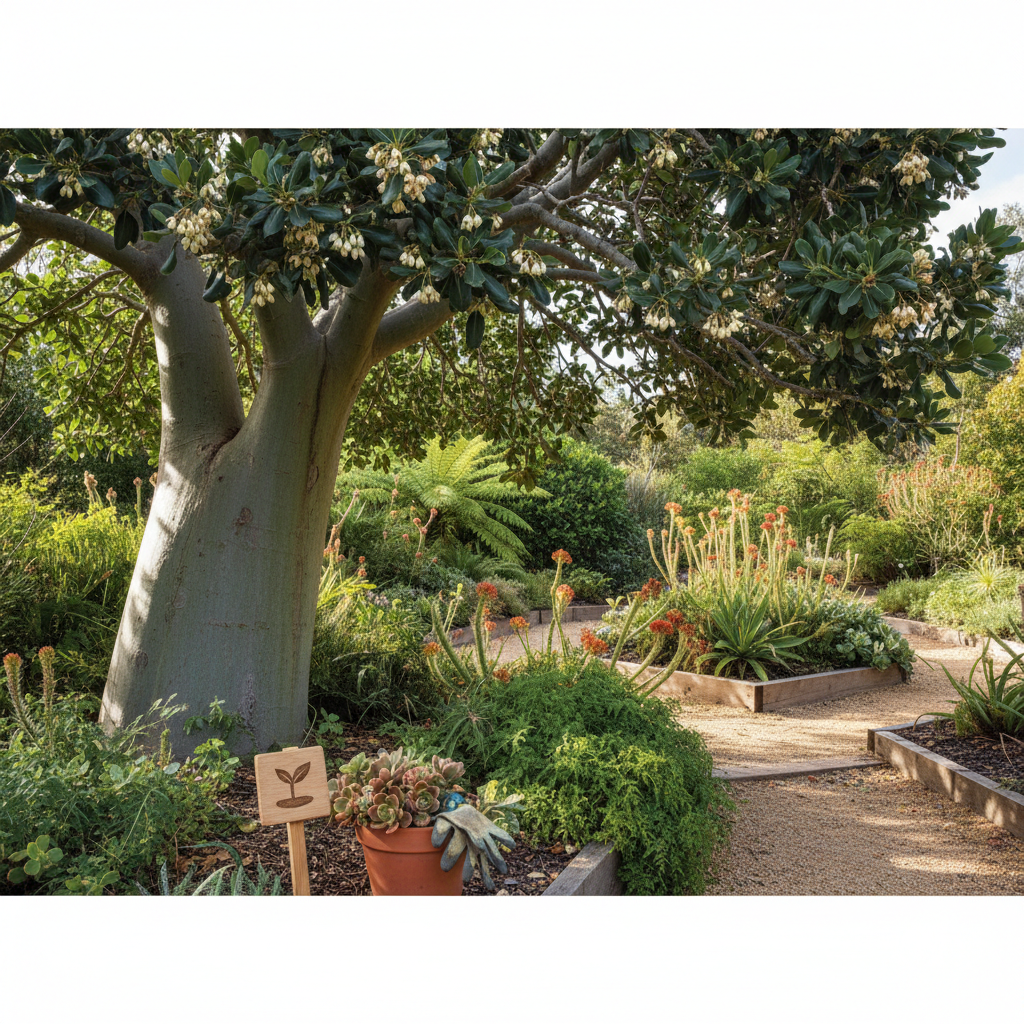
According to recent reports, a new botanical celebrity is gracing the shelves of plant shops and the feeds of garden enthusiasts: the Queensland Bottle Tree, scientifically known as Brachychiton rupestris. This distinctive plant, native to Queensland, Australia, is rapidly ascending to the coveted position of the 'trending cult houseplant,' capturing the imagination of growers and collectors alike.
August Laska, the proprietor of The Old Yew Plant Shop in New York City, observes that plant popularity, much like other cultural phenomena, experiences its own cycles of rise and fall. Just as the Monstera and fiddle leaf fig each enjoyed their respective heydays as the must-have indoor greenery, the Queensland Bottle Tree is now stepping into the spotlight. Its iconic silhouette, characterized by a swollen, bottle-shaped trunk that stores water, combined with elegant foliage, makes it a striking and sought-after addition to contemporary homes.
This shift reflects a continuous search within the plant community for novel and visually arresting species. As consumers increasingly seek unique botanical statements, the market responds by elevating certain plants to superstar status, turning them into symbols of modern aesthetic and horticultural interest.
Why It Matters
The rise of a plant like the Queensland Bottle Tree to 'it' status, while exciting for plant enthusiasts, carries significant implications for sustainable gardening and our relationship with nature. Historically, trends in horticulture have often led to boom-and-bust cycles for certain species. We've seen it with monsteras and fiddle leaf figs; a sudden surge in demand can lead to unsustainable harvesting practices in their native habitats, particularly if the plant is rare or slow-growing. While the Queensland Bottle Tree is not currently listed as endangered, unchecked demand for any 'trending' plant can create pressure on its natural populations and the ecosystems it supports. It also shifts focus away from the rich biodiversity of lesser-known or locally native species that might be better suited to various climates and reduce the ecological footprint of plant transport.
Furthermore, the 'cult houseplant' phenomenon often emphasizes aesthetics over appropriate care. Many trendy plants, initially captivating, end up struggling in unsuitable indoor environments, leading to waste and disillusionment for new plant parents. For a plant like the Queensland Bottle Tree, which can grow quite large and has specific care requirements (e.g., bright light, well-draining soil, dormancy periods), understanding its needs beyond its unique silhouette is crucial. GreenNest Living readers understand that true sustainability in gardening means fostering a long-term, symbiotic relationship with our plants, ensuring their health and longevity, and by extension, our own connection to a thriving natural world.
This trend also highlights the commercialization of nature. While plant shops like The Old Yew Plant Shop play a vital role in sharing botanical wonders, the broader market's pursuit of the 'next big thing' can sometimes overshadow principles of ethical sourcing and environmental stewardship. For us, this isn't just about what plant is pretty today; it's about making conscious choices that support global biodiversity, fair trade practices, and the education of growers and consumers alike. The popularity of the Queensland Bottle Tree offers an opportunity to engage in a deeper conversation about responsible plant acquisition and the true meaning of a 'green' home.
What You Can Do
- Research Before You Buy: Always investigate a plant's native habitat, specific care needs, mature size, and potential challenges before bringing it home.
- Source Ethically: Inquire about a plant's origin. Opt for plants propagated from reputable nurseries, ideally grown locally or domestically, to minimize ecological impact and ensure sustainable harvesting practices.
- Consider Alternatives: While a trending plant might be appealing, explore native or well-adapted species that thrive in your local climate and require less intensive care, supporting local ecosystems.
- Diversify Your Collection: Avoid monoculture in your indoor or outdoor garden. A diverse array of plants creates a more resilient ecosystem and reduces the pressure on any single popular species.
- Prioritize Long-Term Care: Understand that a plant is a living commitment. Invest in proper lighting, soil, watering, and feeding to ensure its health and longevity, rather than treating it as a disposable decorative item.
- Educate and Share: Be a voice for sustainable plant parenting. Share your knowledge with friends and family about responsible plant acquisition and care, fostering a more informed community.
FAQs
Q: What is a Queensland Bottle Tree?
A: The Queensland Bottle Tree (Brachychiton rupestris) is a unique Australian native tree known for its distinctive, swollen, bottle-shaped trunk which stores water, allowing it to survive arid conditions. It's becoming increasingly popular as an ornamental houseplant.
Q: Why is it called a 'bottle tree'?
A: It earns its common name from its remarkably broad, trunk-like stem that tapers towards the top, resembling a bottle. This thick trunk acts as a natural reservoir, storing water during dry periods.
Q: Is the Queensland Bottle Tree easy to care for as a houseplant?
A: While visually striking, it requires specific conditions to thrive indoors. It needs abundant bright light, well-draining soil, and careful watering to prevent root rot. It also benefits from a dry winter dormancy period, which can be a challenge in typical home environments. It's not a beginner-level plant if you want it to truly flourish long-term.
Sources
This article is based on reporting by Gardenista.
Original source
Gardenista
Author, Digital Entrepreneur & AI Creator
More from Garden & Plants
- LA Oasis: Modern Spanish Colonial Design for Sustainable Living — May 13, 2026
- Flowering Shrubs: The Underrated Backbone of Your Eco-Garden — May 11, 2026
- Native Wisteria: Blooming Beauty, Boosting Biodiversity — May 10, 2026
- Embracing the Subtle Beauty of Shade Gardens — May 9, 2026
- Ground Covers: The Low-Maintenance Path to a Greener Yard — May 8, 2026