Ramps: Spring's Sustainable Wild Delicacy in Your Garden
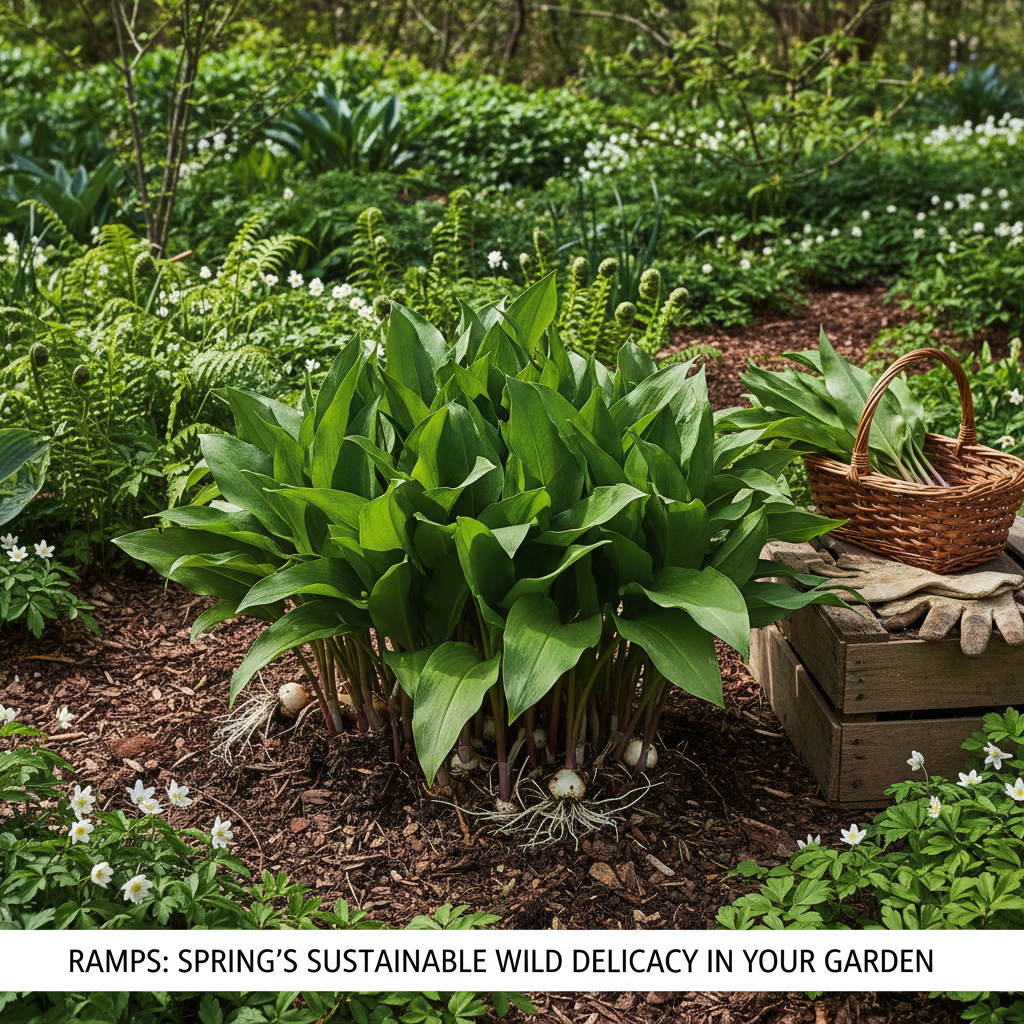
Key Takeaways
- Ramps are a popular native wild onion signaling spring's arrival.
- Their high demand as a delicacy has led to concerns about over-harvesting.
- Utilizing ramp leaves, as in 'Ramp Leaf Biscuits,' can be a more sustainable harvesting method.
- The slow growth rate of ramps makes them vulnerable to depletion.
- Sustainable practices, home cultivation, and ethical sourcing are crucial for their preservation.
Spring has officially sprung, and with it comes a distinct craving for fresh, vibrant flavors that awaken our palates after a long winter. Among the most anticipated seasonal delights is the wild ramp, a native onion whose appearance signals the true start of foraging season. But beyond its coveted taste, this spring ephemeral presents a critical opportunity to explore principles of sustainability, responsible harvesting, and the potential for integrating wild edibles into our home gardens.
As a publication dedicated to sustainable living, GreenNest Living believes in empowering our readers with knowledge that goes beyond mere consumption. The growing popularity of ramps, as highlighted by recipes like "Ramp Leaf Biscuits," prompts us to delve deeper into how we can enjoy these treasures without compromising their future or the ecosystems they call home.
TL;DR: Key Facts
- Ramps (Allium tricoccum) are a native wild onion and a highly sought-after spring delicacy.
- Their distinct garlicky-onion flavor makes them recognizable and popular at markets.
- Traditionally, the entire plant, from roots to leaves, has been consumed.
- Recipes like "Ramp Leaf Biscuits" emphasize using leaves, which can promote more sustainable harvesting practices.
What Happened
With the arrival of spring, culinary enthusiasts and foragers alike eagerly anticipate the fleeting season of ramps. Described as one of the few wild foods instantly recognized by shoppers at local markets, these native wild onions, scientifically known as Allium tricoccum and its subspecies, are a true harbinger of the new season's flavors. The unique taste—a potent blend of garlic and onion—has secured their status as a culinary darling.
For decades, the demand for ramps has been significant, with the entire plant, from its flavorful roots (bulbs) to its broad, tender leaves, being harvested and sold as a prized delicacy. The focus on “Ramp Leaf Biscuits” in recent culinary circles suggests a growing trend toward utilizing specific parts of the plant, potentially signaling a more mindful approach to foraging and consumption. This shift, whether intentional or not, opens a conversation about how we engage with these precious wild edibles and ensure their presence for future springs.
Why It Matters
The burgeoning popularity of ramps is a double-edged sword for the gardening and plant community. On one hand, it shines a spotlight on native plant species, encouraging a deeper appreciation for our local biodiversity and the unique flavors our natural landscapes offer. For gardeners, this interest can translate into exploring native plant cultivation, understanding forest gardening principles, and recognizing the intricate relationships between plants, soil, and local wildlife.
However, the designation of ramps as a "sought-after delicacy" carries significant weight in the context of sustainability. Wild ramps grow slowly, taking years to reach maturity, and reproduce primarily through underground bulbs and seeds, which are less reliable. The tradition of harvesting the entire plant, especially the bulb, can severely deplete wild patches, leading to reduced populations and even local extirpation. This directly impacts the health of forest ecosystems, as ramps play a role in soil stabilization and nutrient cycling, and provide early spring food for pollinators.
For sustainable living enthusiasts and gardeners, the ramp season becomes a crucial lesson in ethical foraging and responsible consumption. It challenges us to move beyond simply enjoying a delicious ingredient and instead consider its ecological footprint. By understanding the life cycle of ramps and the impact of harvesting methods, we can advocate for, and practice, sustainable interactions with our wild food sources, ensuring that this cherished spring ephemeral remains a vibrant part of our natural heritage and, perhaps, even our own shade gardens.
What You Can Do
- Educate Yourself on Sustainable Foraging: Before heading out, learn proper ramp identification and ethical harvesting techniques specific to your region. Never harvest without certainty.
- Practice Mindful Harvesting: If foraging, adhere to the "one-third rule": never take more than one-third of a ramp patch's population. Prioritize harvesting only the leaves, leaving the bulb intact to allow for regrowth in subsequent years. If you must take a bulb, ensure you only take a very small percentage from a thriving patch.
- Cultivate Your Own Ramps: Consider growing ramps in a suitable, shady spot in your garden. They thrive in rich, moist woodland soil. Purchase seeds or ethically propagated bulbs from reputable native plant nurseries, rather than sourcing from the wild.
- Support Ethical Growers and Markets: When buying ramps, inquire about their sourcing. Support local farmers and foragers who demonstrate sustainable harvesting practices and are transparent about their methods.
- Explore Sustainable Alternatives: Broaden your culinary horizons to other less-pressured wild edibles or cultivated spring greens that offer similar flavor profiles, reducing demand on wild ramp populations.
- Advocate for Habitat Preservation: Support local conservation efforts that protect woodland ecosystems where ramps and other native plants thrive. Healthy habitats are key to their survival.
FAQs
Q: What exactly are ramps?
A: Ramps, or wild leeks (Allium tricoccum), are a native perennial wild onion found in the shaded, moist woodlands of eastern North America. They are cherished for their unique, pungent flavor, which combines the taste of garlic and onion.
Q: Are ramps endangered or at risk?
A: While not federally listed as endangered, ramps are vulnerable to over-harvesting in many regions due to their slow growth rate and increasing popularity. Several states and provinces have listed them as threatened, of special concern, or have regulations on their harvest.
Q: How can I tell the difference between ramps and poisonous look-alikes?
A: Ramps have broad, smooth, green leaves that emerge directly from the ground in early spring, often in clusters. They have a distinct garlicky-onion smell when bruised. Poisonous look-alikes, like Lily of the Valley or False Hellebore, do not smell like onion or garlic and often have a different leaf structure or growth pattern. If in doubt, do not consume it.
Sources
This article is based on reporting by Gardenista.
Original source
Gardenista
Author, Digital Entrepreneur & AI Creator
More from Garden & Plants
- LA Oasis: Modern Spanish Colonial Design for Sustainable Living — May 13, 2026
- Flowering Shrubs: The Underrated Backbone of Your Eco-Garden — May 11, 2026
- Native Wisteria: Blooming Beauty, Boosting Biodiversity — May 10, 2026
- Embracing the Subtle Beauty of Shade Gardens — May 9, 2026
- Ground Covers: The Low-Maintenance Path to a Greener Yard — May 8, 2026