Ramps: The Sustainable Wild Onion of Spring's Bounty
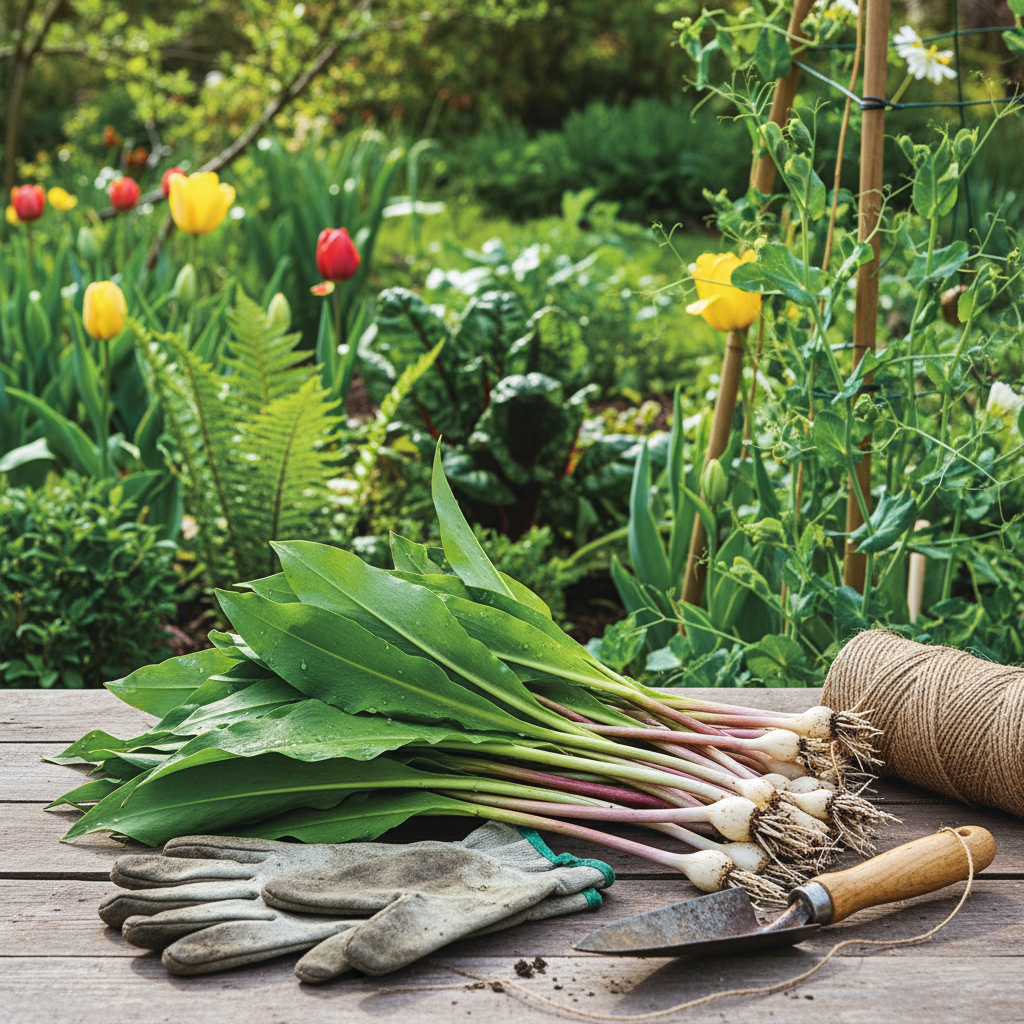
Key Takeaways
- Ramps (Allium tricoccum) are a native wild onion, highly prized as a spring delicacy.
- They are one of the few wild foods widely recognized and sought after by shoppers.
- The entire plant, from roots to leaves, is traditionally used, highlighting its versatility and potential for overharvesting if not managed responsibly.
- Their popularity underscores a growing consumer interest in seasonal, wild-foraged foods.
- Sustainable harvesting practices are crucial to ensure the long-term viability of ramp populations.
Spring is here, and with it comes a distinct craving for fresh, vibrant flavors that awaken our palates after winter's slumber. Among the season's most anticipated culinary delights is the elusive ramp, a native wild onion whose fleeting appearance in markets signals a time for celebration—and careful consideration of sustainable practices. This highly sought-after ingredient offers a unique opportunity to connect with our local ecosystems, reminding us that true flavor often grows wild, but demands our respect for its future.
TL;DR: Key Facts
- Ramps (Allium tricoccum) are a native wild onion, highly prized as a spring delicacy in eastern North America.
- They are one of the few wild foods widely recognized and sought after by shoppers at market.
- The entire plant, from roots to leaves, is traditionally used, highlighting its versatility and potential for overharvesting if not managed responsibly.
- Their growing popularity underscores a consumer trend towards seasonal, wild-foraged foods.
- Sustainable harvesting practices are crucial to ensure the long-term viability of wild ramp populations.
What Happened
As spring breathes new life into the landscape, a particular excitement builds among food enthusiasts and nature lovers alike for the arrival of ramps, scientifically known as Allium tricoccum and its subspecies. These native wild onions are a quintessential sign of the season, emerging from the forest floor with a distinct, pungent aroma that hints at their unique garlic-onion flavor profile. The reports from Gardenista highlight that ramps have transcended their niche status, becoming one of the rare wild foods that consumers actively seek out and recognize when they appear at local markets and specialty stores, marking them as a true seasonal event.
For decades, ramps have held a special place in regional cuisines, cherished for their unique taste that embodies the freshness of spring. The appeal of ramps is comprehensive: every part of the plant, from its slender green leaves to its delicate white bulbs and roots, has traditionally been harvested and utilized. This whole-plant approach speaks to the desire for maximum flavor and minimizes waste, yet it also underscores a critical aspect of ramp harvesting. As a "sought-after delicacy" with high market demand, the pressure on wild ramp populations can be significant, raising important questions about the long-term availability of this beloved wild crop and the ethics of its procurement.
Why It Matters
For GreenNest Living readers, the surging popularity of ramps is more than just a culinary trend; it's a critical lens through which to view sustainable food systems, native plant conservation, and ethical foraging. The fact that ramps are a "native wild onion" connects directly to the importance of biodiversity and preserving indigenous flora. Unlike cultivated crops, wild plants like ramps play vital roles in their ecosystems, providing food for wildlife, contributing to soil health, and maintaining the delicate balance of forest understories. When popular demand for such plants escalates, especially for those that are slow-growing and reproduce primarily by seed, their wild populations can quickly become vulnerable to over-harvesting and habitat degradation.
The mention that "the whole plant, from roots to leaves, has been sold as a sought-after delicacy" is particularly significant. While utilizing the entire plant is a commendable act of minimizing waste, it also highlights a key challenge in sustainable foraging. If foragers consistently harvest the bulbs and roots, it prevents the plant from regenerating, effectively eliminating that individual plant and potentially impacting the patch's ability to recover for years. This practice, if widespread and unchecked, can lead to the rapid decline of ramp patches, turning a seasonal joy into a serious conservation concern. Our choices as consumers and foragers directly influence the future of these precious native species and the health of the ecosystems they inhabit.
This situation underscores a broader principle for sustainable living: appreciating nature's bounty while actively working to preserve it. The appeal of wild-foraged foods like ramps is understandable—they offer unparalleled freshness, unique flavors, and a direct, tangible connection to the land. However, this connection must be built on a foundation of respect, knowledge, and informed practice. By understanding the lifecycle of native plants and the impact of our harvesting methods, we can ensure that future generations can also enjoy the taste of spring’s wild onions, rather than just reading about them in historical texts. It's an opportunity to educate ourselves and others on responsible consumption that extends beyond the supermarket aisle into the wild spaces that sustain us all.
What You Can Do
- Educate Yourself on Sustainable Foraging Practices: Before heading out to forage, thoroughly research proper ramp harvesting techniques for your specific region. This typically means harvesting only a few leaves from each plant, leaving the bulb intact to allow for perennial regrowth, or taking only a small percentage (e.g., 10%) of plants from a healthy, dense patch. Never clear-cut an entire patch.
- Source Ramps Ethically: If you're purchasing ramps, inquire about their origin and harvesting methods. Prioritize supporting local farmers or foragers who explicitly state they use sustainable practices, such as leaf-only harvesting, or consider purchasing from those who cultivate ramps, which helps reduce pressure on wild populations.
- Consider Cultivating Your Own Ramps: Ramps can be successfully grown in shaded, moist woodland garden settings, mimicking their natural habitat. While they take several years to establish from seed or transplanted bulbs, cultivating your own patch provides a truly sustainable and satisfying supply, reducing reliance on wild foraging and increasing local biodiversity.
- Support Local and Seasonal Eating: Embrace the inherently seasonal nature of ramps. Their fleeting availability encourages appreciating foods at their peak and reduces the demand for out-of-season, often less sustainable, alternatives. Expand your culinary adventures to other seasonal, local ingredients too.
- Advocate for Native Plant Conservation: Learn about and actively support local conservation efforts focused on protecting native plant species and preserving woodland ecosystems. Healthy forest habitats are essential for wild ramp populations and countless other indigenous species to thrive.
- Practice "Leave No Trace" Principles: When foraging or visiting any natural areas, always adhere strictly to Leave No Trace principles. This includes staying on designated paths, avoiding disturbance to other plants or wildlife, and packing out everything you pack in, ensuring the environment remains pristine for all.
FAQs
Q: What exactly are ramps?
A: Ramps, scientifically known as Allium tricoccum, are a native wild onion found primarily in the deciduous woodlands of eastern North America. They are characterized by their broad, flat, green leaves that emerge in early spring, a small white bulb, and a distinctive pungent flavor that is a unique blend of garlic and onion, making them a highly prized seasonal ingredient.
Q: Is it sustainable to forage ramps?
A: It can be, but only with extremely responsible and knowledgeable practices. Ramps are slow-growing and reproduce mainly by seed, meaning over-harvesting, especially of the bulbs, can quickly deplete populations and prevent regeneration for many years. Sustainable foraging generally involves harvesting only a few leaves from each plant, leaving the bulb to regrow, or taking only a very small percentage of plants (e.g., less than 10%) from a healthy, dense patch. Many ethical foragers now advocate for leaf-only harvesting to ensure population longevity.
Q: Why are ramps considered such a delicacy and so popular?
A: Ramps are highly prized for their unique, robust flavor profile that offers a fresh, earthy, and pungent taste of spring, unparalleled by cultivated onions or garlic. Their ephemeral nature—they are only available for a few weeks each year before the tree canopy fills in—contributes significantly to their allure and makes them a highly anticipated seasonal delicacy. This combination of distinct flavor, limited availability, and connection to the wild drives their popularity among chefs, foodies, and home cooks alike.
Sources
This article is based on reporting by Gardenista.
Original source
Gardenista
Author, Digital Entrepreneur & AI Creator
More from Garden & Plants
- LA Oasis: Modern Spanish Colonial Design for Sustainable Living — May 13, 2026
- Flowering Shrubs: The Underrated Backbone of Your Eco-Garden — May 11, 2026
- Native Wisteria: Blooming Beauty, Boosting Biodiversity — May 10, 2026
- Embracing the Subtle Beauty of Shade Gardens — May 9, 2026
- Ground Covers: The Low-Maintenance Path to a Greener Yard — May 8, 2026