Rethink Miscanthus: Popular Ornamental Grass Now Invasive Threat
Key Takeaways
- Miscanthus sinensis (maiden grass) is now recognized as an invasive species.
- It was previously considered "practically perfect" but is now problematic.
- Its spread threatens native plants and biodiversity in the U.S.
- Gardeners should identify and replace it with native alternatives.
- This highlights the importance of informed, sustainable plant choices.
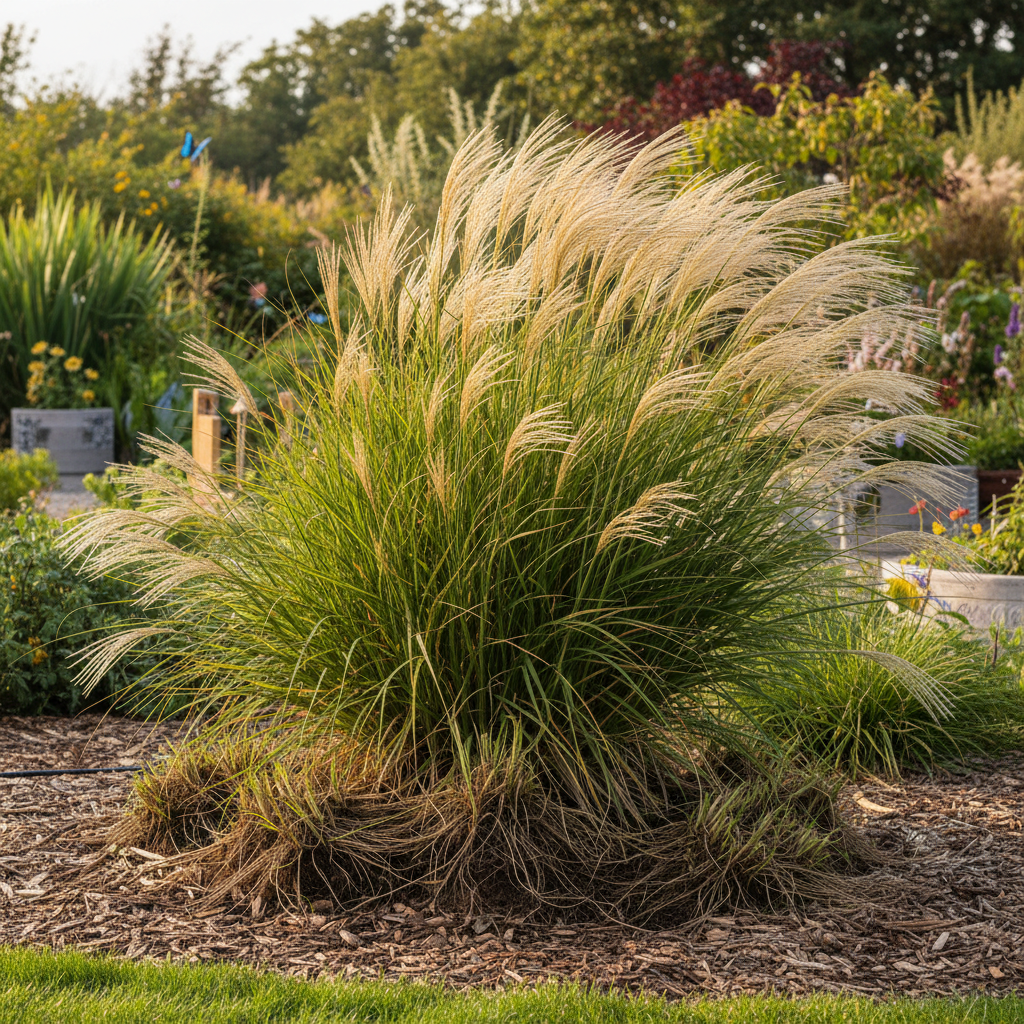
For years, gardeners nationwide have embraced Miscanthus sinensis, commonly known as maiden grass or Chinese silvergrass, for its beauty and resilience. But what was once considered a landscape staple is now revealing its true nature as an ecological threat, prompting a critical re-evaluation of its use in our gardens and landscapes. The time has come to rethink our reliance on this seemingly innocuous plant.
TL;DR: Key Facts
- Miscanthus sinensis, once praised as “practically perfect,” is now widely considered problematic.
- It is increasingly recognized as an invasive species in many parts of the United States.
- Its rapid spread threatens native ecosystems and biodiversity by outcompeting local flora.
- Gardeners are urged to reconsider planting it and explore native alternatives.
What Happened
Gardenista, a respected voice in garden design and plant insights, recently updated its stance on Miscanthus sinensis. Back in 2017, the publication enthusiastically endorsed the ornamental grass, highlighting its aesthetic appeal and ease of care, even labeling it “practically perfect.” However, less than a decade later, the narrative has shifted dramatically.
The publication now acknowledges that Miscanthus sinensis, along with other varieties of Miscanthus, is becoming an escalating ecological concern across significant portions of the United States. Its ability to spread aggressively and outcompete native flora has raised red flags among environmentalists and horticulturists alike, leading to its reclassification as an invasive threat rather than a garden ideal.
Why It Matters
For GreenNest Living readers, this news isn't just about a plant; it's a stark reminder of the long-term impacts our landscaping choices have on local ecosystems. Miscanthus's journey from “perfect” to “problematic” underscores the dynamic nature of ecological science and the importance of ongoing vigilance in sustainable gardening. When a non-native plant, even one introduced with good intentions, spreads unchecked, it can displace vital native species, disrupt food webs, and reduce biodiversity, ultimately weakening the resilience of our natural landscapes.
This situation challenges the common misconception that if a plant is sold in nurseries, it must be safe for the environment. It highlights the need for gardeners to be informed consumers, looking beyond immediate aesthetic appeal to understand a plant's full life cycle and its potential ecological footprint. As advocates for sustainable living, our commitment extends to cultivating gardens that not only delight us but also support and strengthen the natural world around us. This re-evaluation of Miscanthus serves as a crucial lesson in ecological stewardship.
What You Can Do
- **Identify:** Check if you currently have Miscanthus sinensis or other problematic Miscanthus varieties in your garden.
- **Research Alternatives:** Explore native grass species suitable for your region that offer similar aesthetic qualities without the invasive risk. Examples include switchgrass (Panicum virgatum), little bluestem (Schizachyrium scoparium), or indiangrass (Sorghastrum nutans).
- **Remove Responsibly:** If you decide to remove existing Miscanthus, ensure you dispose of it properly to prevent further spread (e.g., bagging it and sending it to landfill, not composting it if seeds are present).
- **Choose Native First:** Prioritize native plants for new plantings. They are best adapted to local conditions and support local wildlife and pollinators.
- **Ask Questions:** When purchasing plants, inquire about their origin and potential invasiveness, especially for non-native species, before you buy.
- **Educate Others:** Share this information with fellow gardeners and encourage responsible plant choices within your community to foster broader ecological awareness.
FAQs
Q: Is all Miscanthus invasive?
While Miscanthus sinensis is the primary concern, other Miscanthus varieties can also exhibit invasive tendencies. It's best to research specific cultivars for your region or opt for native alternatives to be safe.
Q: How does an ornamental grass become invasive?
A plant becomes invasive when it escapes cultivation, spreads aggressively into natural areas, and outcompetes native vegetation, disrupting ecosystems. This often happens because it lacks natural predators or controls in its new environment, allowing it to thrive unchecked.
Q: What should I do if my neighbors have Miscanthus?
While you can't control their choices, you can educate them kindly about the issue and share information on native alternatives. Focus on managing and preventing its spread within your own garden first.
Sources
This article is based on reporting by Gardenista.
Original source
Gardenista
Author, Digital Entrepreneur & AI Creator
More from Garden & Plants
- LA Oasis: Modern Spanish Colonial Design for Sustainable Living — May 13, 2026
- Flowering Shrubs: The Underrated Backbone of Your Eco-Garden — May 11, 2026
- Native Wisteria: Blooming Beauty, Boosting Biodiversity — May 10, 2026
- Embracing the Subtle Beauty of Shade Gardens — May 9, 2026
- Ground Covers: The Low-Maintenance Path to a Greener Yard — May 8, 2026