Rethink Miscanthus: The Invasive Threat in Your Garden
Key Takeaways
- Miscanthus sinensis is now recognized as invasive in many U.S. regions.
- Gardenista has reversed its previous positive recommendation for the plant.
- Its spread threatens native ecosystems and biodiversity.
- Gardeners should research local invasiveness and consider removal.
- Choosing native plant alternatives supports local ecology.
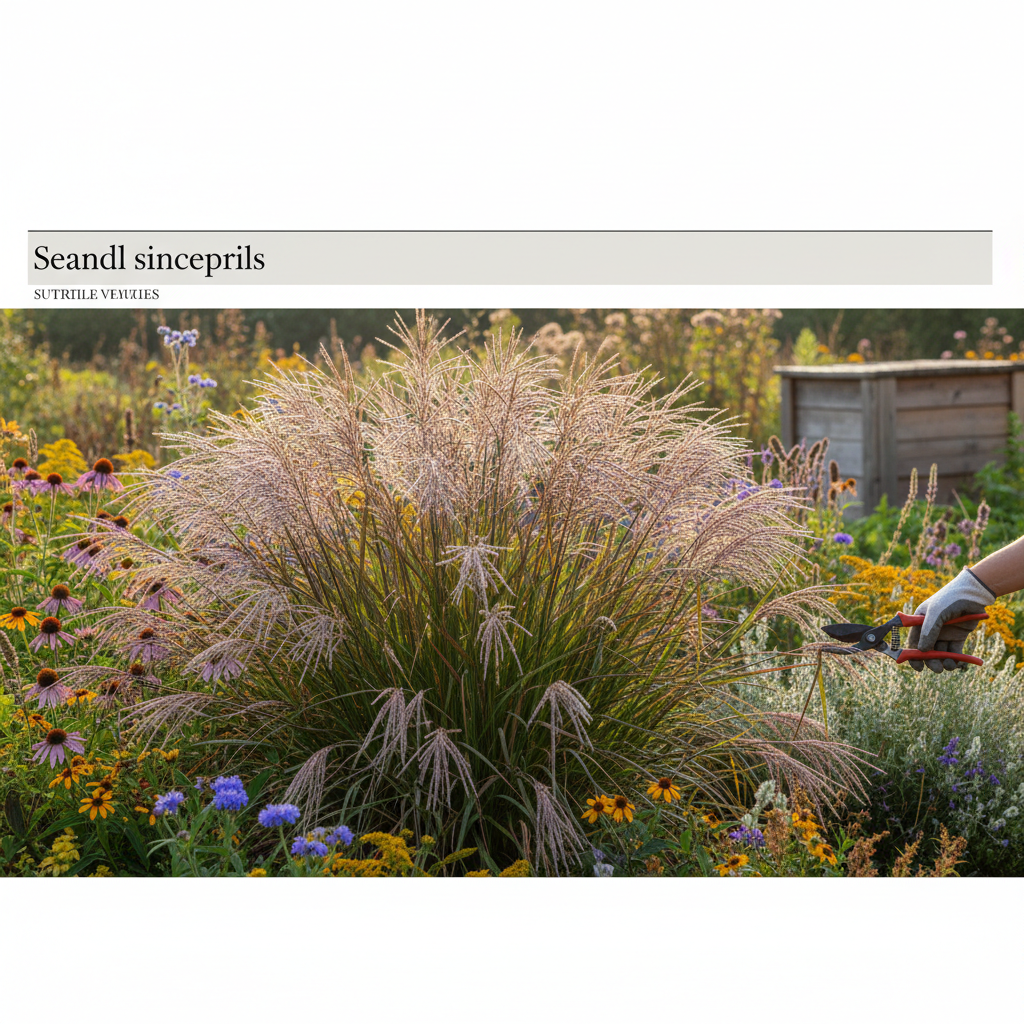
The plants we choose for our gardens can have profound impacts, not just on our immediate surroundings but on wider ecosystems. A recent revelation from Gardenista highlights a crucial shift in our understanding of a once-beloved ornamental grass, Miscanthus sinensis, urging us to reconsider its place in our sustainable landscapes. What was once seen as a garden staple is now raising ecological alarms across the United States.
TL;DR: Key Facts
- Miscanthus sinensis (maiden grass/Chinese silvergrass), previously praised, is now identified as an invasive species in many parts of the U.S.
- Gardenista, a respected garden publication, has reversed its previous recommendation for Miscanthus due to its ecological impact.
- The plant's invasive nature threatens native plant communities and biodiversity.
- This shift underscores the dynamic understanding of garden ecology and the need for informed plant choices.
What Happened
Just a short decade ago, Miscanthus sinensis, commonly known as maiden grass or Chinese silvergrass, was lauded in gardening circles, even by publications like Gardenista, which once described it as “practically perfect.” Its graceful plumes, low maintenance, and architectural presence made it a ubiquitous choice for gardeners seeking an elegant perennial grass. However, less than ten years later, the perception and ecological reality of Miscanthus sinensis and its various cultivated forms have drastically changed.
Horticultural experts and environmental scientists are increasingly recognizing Miscanthus varieties as problematic, identifying them as invasive species across a significant portion of the United States. These grasses are proving to be aggressive colonizers, spreading beyond garden boundaries and outcompeting native vegetation in natural habitats. This alarming development has prompted a reevaluation of past recommendations and a call for gardeners to rethink their reliance on this once-favored ornamental.
Why It Matters
For readers committed to sustainable living and responsible gardening, this reclassification of Miscanthus sinensis is critically important. The beauty of a plant in a curated garden setting can often mask its potential for ecological disruption. When non-native species escape cultivation and establish themselves in wild areas, they can lead to a cascade of negative effects: reducing biodiversity, altering soil composition, changing fire regimes, and diminishing food sources and habitats for native wildlife. This issue is not merely about a plant's aesthetics; it's about the health and resilience of our local ecosystems.
This news serves as a powerful reminder that our gardening choices have far-reaching environmental consequences. It underscores the importance of staying informed about plant ecology and embracing an adaptive approach to landscaping. As environmental journalists, it's our duty to highlight these evolving understandings, guiding our audience toward practices that support local flora and fauna. Choosing native alternatives not only mitigates the risk of invasiveness but also fosters a richer, more resilient ecosystem right in our backyards, aligning perfectly with GreenNest Living's mission.
What You Can Do
Here’s how you can respond to the growing concerns about Miscanthus and contribute to a healthier environment:
- Identify and Assess: Check your garden for Miscanthus sinensis or other Miscanthus varieties. Familiarize yourself with their appearance to confirm identification.
- Research Local Impact: Consult your local extension office, native plant societies, or state invasive species lists to understand if Miscanthus is considered invasive in your specific region.
- Consider Removal: If Miscanthus is invasive in your area, consider removing it. This typically involves digging out the root ball; ensure proper disposal to prevent further spread.
- Choose Native Alternatives: When planning new plantings or replacing Miscanthus, opt for beautiful native ornamental grasses. Excellent choices often include Little Bluestem (Schizachyrium scoparium), Switchgrass (Panicum virgatum), or various sedges (Carex spp.) that provide similar aesthetic appeal without ecological risk.
- Educate and Advocate: Share this information with fellow gardeners, friends, and local nurseries. Encourage them to choose native plants and be mindful of potential invasive species.
- Support Sustainable Nurseries: Prioritize purchasing plants from nurseries that specialize in native plants or clearly label and educate customers about invasive risks.
FAQs
Q: Is every variety of Miscanthus sinensis invasive?
While Miscanthus sinensis and many of its cultivars are increasingly recognized as invasive, especially those that produce viable seeds, specific invasiveness can vary by region. It's crucial to check local invasive species lists, but generally, caution is advised for all Miscanthus sinensis varieties.
Q: How does Miscanthus spread and become invasive?
It primarily spreads through prolific seed production, with seeds carried by wind, water, or even birds, allowing them to establish in new areas far from the parent plant. It can also spread vegetatively through its rhizomatous root system, forming dense clumps that outcompete native flora.
Q: What are some good native alternatives to Miscanthus sinensis?
Many beautiful native grasses offer similar ornamental qualities. Consider species like Little Bluestem (Schizachyrium scoparium) for its blue-green foliage and fall color, Switchgrass (Panicum virgatum) for its height and texture, Indian Grass (Sorghastrum nutans), or various native sedges (Carex spp.) for shadier spots. These provide ecological benefits and thrive in local conditions.
Sources
This article is based on reporting by Gardenista.
Original source
Gardenista
Author, Digital Entrepreneur & AI Creator
More from Garden & Plants
- LA Oasis: Modern Spanish Colonial Design for Sustainable Living — May 13, 2026
- Flowering Shrubs: The Underrated Backbone of Your Eco-Garden — May 11, 2026
- Native Wisteria: Blooming Beauty, Boosting Biodiversity — May 10, 2026
- Embracing the Subtle Beauty of Shade Gardens — May 9, 2026
- Ground Covers: The Low-Maintenance Path to a Greener Yard — May 8, 2026