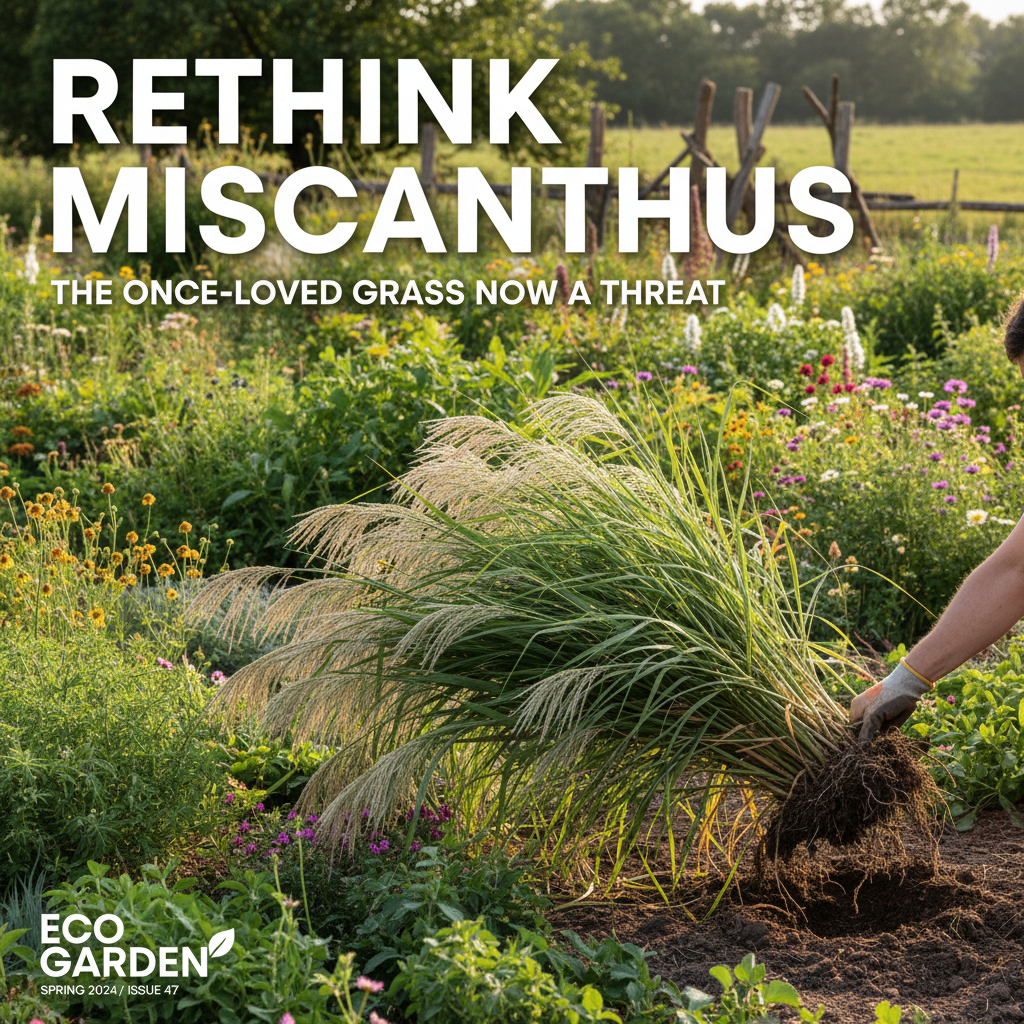
Rethink Miscanthus: The Once-Loved Grass Now a Threat
Key Takeaways
- Gardenista has reversed its 'practically perfect' rating for Miscanthus sinensis.
- Miscanthus sinensis is now recognized as increasingly invasive in much of the U.S.
- The re-evaluation underscores the need for continuous education in horticulture.
- Gardeners must research plants thoroughly and prioritize native alternatives.
Once hailed as a garden darling, a popular ornamental grass is now revealing its true, problematic nature. This shift in perspective from a leading gardening publication serves as a critical reminder that even seemingly innocuous plant choices can have significant environmental consequences, urging all of us to re-evaluate what we plant in our yards.
TL;DR: Key Facts
- Gardenista, a respected garden publication, has reversed its previous endorsement of Miscanthus sinensis (maiden grass/Chinese silvergrass).
- Less than a decade after being called 'practically perfect,' Miscanthus sinensis and other varieties are now recognized as increasingly invasive in many parts of the United States.
- The re-evaluation highlights the dynamic understanding of plant ecology and the long-term impact of popular horticultural choices.
What Happened
In 2017, the popular gardening website Gardenista enthusiastically recommended Miscanthus sinensis, commonly known as maiden grass or Chinese silvergrass, describing it as 'practically perfect.' Its ornamental qualities, such as elegant plumes and drought tolerance, made it a favored choice for landscapers and home gardeners alike.
However, a mere seven years later, the publication has issued a significant retraction of its earlier praise. Gardenista now reports that Miscanthus sinensis and its various cultivars are proving to be increasingly problematic across a substantial portion of the United States, demonstrating invasive tendencies that were not initially apparent or widely recognized.
Why It Matters
This evolving stance on Miscanthus sinensis isn't just about one plant; it's a profound lesson in ecological gardening and the responsibility we bear as stewards of our local environments. For GreenNest Living readers, it underscores the critical importance of understanding a plant's full life cycle and its potential impact beyond our garden gates. What appears beautiful and low-maintenance today can, over time, become an aggressive colonizer, outcompeting native flora and disrupting delicate ecosystems.
The reclassification of a widely planted ornamental as invasive highlights the dynamic nature of environmental science and horticulture. It serves as a stark reminder that 'perfect' is a fleeting term in gardening, and continuous vigilance and education are paramount. By choosing native alternatives and researching plant provenance, we can prevent future ecological headaches and ensure our gardens contribute positively to biodiversity rather than detracting from it.
What You Can Do
Here’s an actionable checklist to ensure your garden choices are sustainable and eco-friendly:
- Research Before You Plant: Always investigate a plant's invasive potential in your specific USDA hardiness zone before purchasing. Websites like the National Invasive Species Information Center or your state's native plant society are excellent resources.
- Choose Native Alternatives: Opt for native grasses and plants that are naturally adapted to your local climate and soil conditions. They support local wildlife, require less water, and pose no invasive threat. Good alternatives to Miscanthus include switchgrass (Panicum virgatum), little bluestem (Schizachyrium scoparium), and Indiangrass (Sorghastrum nutans).
- Inspect Your Garden: If you already have Miscanthus sinensis, monitor it for aggressive spreading. Be particularly vigilant about seed dispersal, as seeds are the primary way it escapes cultivation.
- Consider Safe Removal: If your Miscanthus is spreading or you're in an area where it's a known invasive, consider carefully removing it. Ensure proper disposal of plant material to prevent further spread.
- Educate Others: Share this information with fellow gardeners. A collective effort is crucial in combating invasive species and promoting sustainable gardening practices.
FAQs
Q: Is all Miscanthus considered invasive?
A: While Miscanthus sinensis and many of its varieties are increasingly recognized as invasive, not all Miscanthus species or cultivars exhibit the same aggressive spreading behavior. However, it's best to exercise caution and research specific varieties thoroughly, or opt for proven native alternatives.
Q: How does an ornamental plant become invasive?
A: A plant becomes invasive when it escapes cultivation, reproduces rapidly, and outcompetes native species for resources like light, water, and nutrients. This can lead to a decline in native plant populations and disrupt local ecosystems.
Q: What are some good native grass alternatives to Miscanthus for American gardens?
A: Excellent native alternatives include switchgrass (Panicum virgatum), little bluestem (Schizachyrium scoparium), Indiangrass (Sorghastrum nutans), and various species of Muhly grass (Muhlenbergia spp.). These offer similar aesthetic appeal without the ecological risk.
Sources
This article is based on reporting by Gardenista.
Original source
Gardenista
Author, Digital Entrepreneur & AI Creator
More from Garden & Plants
- LA Oasis: Modern Spanish Colonial Design for Sustainable Living — May 13, 2026
- Flowering Shrubs: The Underrated Backbone of Your Eco-Garden — May 11, 2026
- Native Wisteria: Blooming Beauty, Boosting Biodiversity — May 10, 2026
- Embracing the Subtle Beauty of Shade Gardens — May 9, 2026
- Ground Covers: The Low-Maintenance Path to a Greener Yard — May 8, 2026