Reviving the Orangery: A Timeless Trend for Modern Green Living
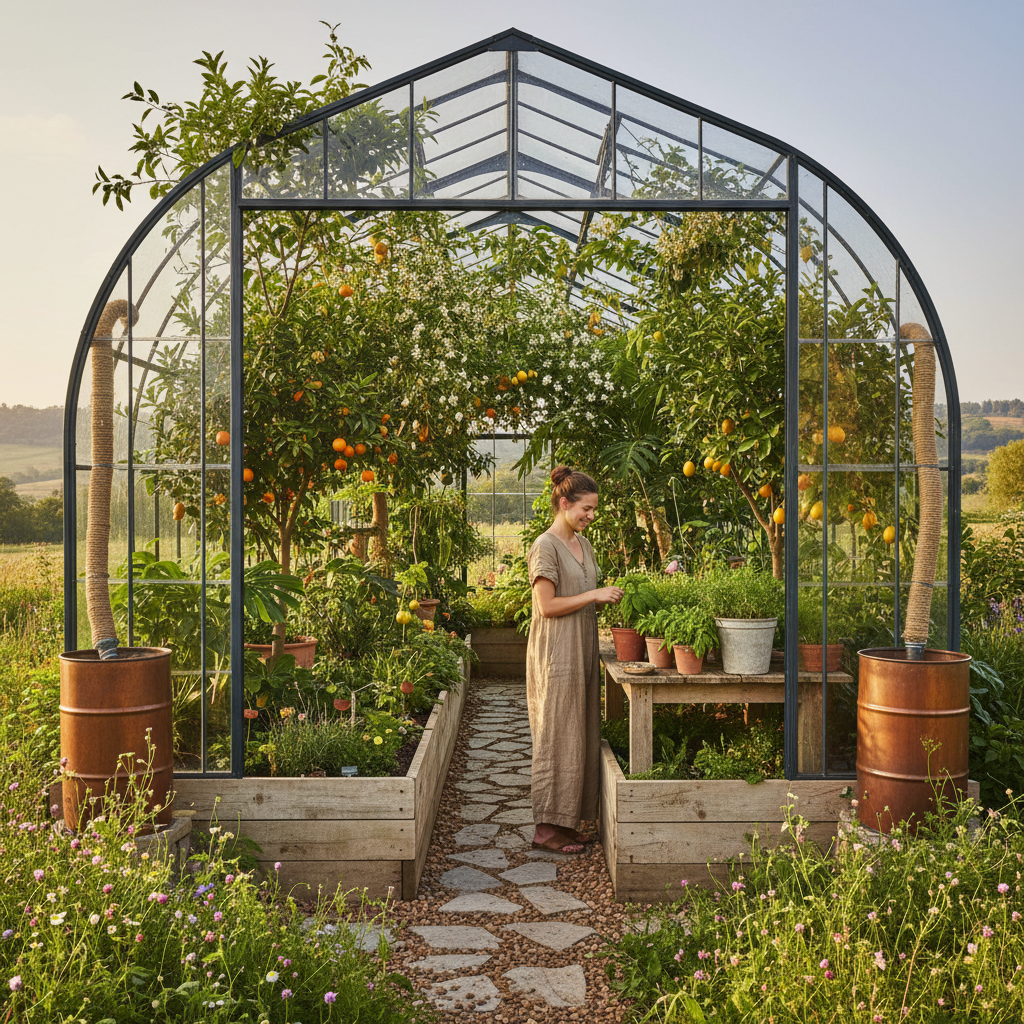
Key Takeaways
- The orangery concept originated in the 17th century for noble citrus cultivation.
- Modern orangeries are light-filled spaces that combine gardening with living areas.
- They provide an inspiring way to connect homes with nature and extend plant growing seasons.
- This trend emphasizes biophilic design and functional elegance in home additions.
- Contemporary orangeries offer versatile spaces for plants, relaxation, and entertaining.
Imagine a space where the scent of citrus blossoms lingers year-round, bathed in natural light, connecting your home seamlessly with nature. The ancient concept of the orangery, once a symbol of aristocratic horticulture, is being brilliantly reimagined for contemporary living, offering more than just a greenhouse – it's a lifestyle statement for the eco-conscious homeowner.
TL;DR: Key Facts
- Modern orangeries reinterpret the grand 17th-century structures of European nobility.
- Historically, these buildings were designed to cultivate exotic citrus fruits in cooler climates.
- Contemporary designs blend dedicated plant cultivation with elegant living and entertaining spaces.
- They serve as light-filled additions that foster a strong indoor-outdoor connection.
- The concept offers rich inspiration for sustainable home design and biophilic living.
What Happened
The term 'orangery,' first coined in the 17th century, describes lavish, light-filled buildings initially dedicated to cultivating citrus fruits, which were a highly coveted luxury among Europe's nobility. These grand structures allowed for the growth of tender, warm-weather plants, like oranges and lemons, in cooler climates where they would otherwise perish. They became status symbols, demonstrating wealth and horticultural prowess by enabling year-round access to exotic produce.
Beyond their primary horticultural purpose, these elegant outbuildings quickly evolved into sophisticated venues for entertaining and impressing guests. Their architectural grandeur, often featuring classical elements, high ceilings, and expansive windows, combined with lush botanical interiors, made them prime settings for social gatherings, garden parties, and quiet contemplation. This historical blend of practical gardening and luxurious leisure is now seeing a compelling resurgence, as contemporary homeowners seek to integrate natural elements and flexible, multi-functional spaces into their modern dwellings, echoing the spirit of these magnificent structures.
Why It Matters
For GreenNest Living readers, the resurgence of the orangery isn't merely an architectural trend or a nostalgic nod to the past; it's a powerful statement about sustainable living, biophilic design, and enhancing personal well-being. In an era where connecting with nature is increasingly paramount for mental and physical health, these modern interpretations offer a dedicated, light-filled sanctuary for both plants and people. They embody the principle of 'bringing the outside in,' fostering a deeper appreciation for horticulture and the natural world directly within our homes, creating calm and vibrant ecosystems under one roof.
Moreover, a thoughtfully designed orangery can significantly extend the growing season for a wide variety of plants, from essential herbs and leafy greens to exotic fruits and delicate ornamentals, especially beneficial in regions with challenging climates. This capability directly supports local food production and reduces reliance on externally sourced, often less sustainable, produce, aligning perfectly with green living principles. An orangery represents a functional commitment to self-sufficiency and an aesthetic enhancement that can boost property value while profoundly enriching quality of life through abundant natural light, fresh air, and continuous access to green spaces. This modern reinterpretation highlights a mindful approach to home design that prioritizes ecological harmony, personal well-being, and timeless elegance.
What You Can Do
- Assess Your Space: Identify suitable areas in your home for increased natural light and plant life, whether it's a potential dedicated extension, a sunroom, or even a reconfigured bay window.
- Research Design Options: Explore modern sunroom kits, conservatory additions, or custom architectural plans that maximize natural light, thermal efficiency, and integrate seamlessly with your home's aesthetic.
- Choose the Right Plants: Select plants that thrive in bright, indirect light and can tolerate indoor conditions, such as citrus trees, succulents, various herbs, or even small fruiting plants for year-round harvesting.
- Consider Climate Control: Investigate options for passive ventilation, efficient heating, and cooling to maintain optimal conditions for both your plants and your comfort throughout all seasons.
- Plan for Multi-Functionality: Design the space to serve multiple purposes – a tranquil reading nook, an inspiring dining area, or a vibrant workspace – seamlessly integrating your green haven into daily life.
- Start Small: If a full orangery isn't immediately feasible, begin by transforming a particularly sunny corner or window sill into a vibrant indoor garden to test your green thumb and enjoy the benefits of indoor greenery.
FAQs
Q: What's the main difference between an orangery and a greenhouse?
A: Historically, orangeries were more architecturally integrated into the main house, often built with solid walls and large windows, designed for both plant cultivation and sophisticated entertaining. Greenhouses were primarily utilitarian structures focused solely on growing plants, often less elaborate. Modern interpretations blur these lines, but orangeries still lean towards integrated, multi-functional living spaces.
Q: Can I grow edible plants in a modern orangery?
A: Absolutely! Modern orangeries are ideal for cultivating a wide range of edibles, particularly tender fruits like citrus, various types of tomatoes, peppers, and a diverse array of herbs, especially beneficial in cooler climates where outdoor growing seasons are short.
Q: Is building an orangery sustainable?
A: A well-designed modern orangery can be very sustainable. It can reduce energy consumption through passive solar heating, promote local food growth, and enhance well-being through biophilic design. Material choices, insulation, and energy efficiency during construction and operation are key factors in its overall sustainability footprint.
Sources
This article is based on reporting by Gardenista.
Original source
Gardenista
Author, Digital Entrepreneur & AI Creator
More from Garden & Plants
- LA Oasis: Modern Spanish Colonial Design for Sustainable Living — May 13, 2026
- Flowering Shrubs: The Underrated Backbone of Your Eco-Garden — May 11, 2026
- Native Wisteria: Blooming Beauty, Boosting Biodiversity — May 10, 2026
- Embracing the Subtle Beauty of Shade Gardens — May 9, 2026
- Ground Covers: The Low-Maintenance Path to a Greener Yard — May 8, 2026