Sarah Raven's Guide to Guilt-Free Cut Flowers
Key Takeaways
- Sarah Raven's new book, 'A Year of Cut Flowers,' challenges the common sentiment of not cutting garden blooms.
- Raven argues that cutting flowers can enhance, not diminish, the garden's beauty and productivity.
- The book provides guidance for gardeners to enjoy fresh, homegrown cut flowers throughout all seasons.
- Embracing this approach promotes a more active and sustainable relationship with your garden.
- This shift in mindset reduces reliance on commercially grown, often environmentally impactful, cut flowers.
For many passionate gardeners, the act of snipping a beautiful bloom can feel like an act of sacrilege, 'stealing the view' from the carefully curated outdoor display. But what if this cherished sentiment is actually limiting your garden's full potential and your personal connection to its beauty? A new perspective from world-renowned gardening expert Sarah Raven is set to transform how we think about harvesting our own flowers, inviting a continuous flow of natural beauty into our homes.
TL;DR: Key Facts
- Sarah Raven, a best-selling author and celebrated gardening expert, has released a new book titled ‘A Year of Cut Flowers’.
- The book directly addresses and challenges the common gardener's sentiment that cutting flowers diminishes the outdoor aesthetic.
- Raven advocates for integrating cutting flowers into gardening practice, suggesting it enhances the overall garden experience.
- Her work aims to guide gardeners on how to enjoy homegrown cut flowers throughout the year.
- This approach promotes a deeper, more utilitarian relationship with one’s garden bounty.
What Happened
Sarah Raven, a name synonymous with innovative and practical gardening advice, has once again captured the attention of the horticultural world with her latest offering, ‘A Year of Cut Flowers.’ Raven, whose expertise is widely sought and whose previous works have graced countless bookshelves, delves into a subject that resonates deeply with many gardeners: the hesitation to cut flowers from their own beds. As she eloquently puts it, “I know many gardeners share this feeling: cutting flowers is stealing the view and that splendid delphinium, huge pom pom peony, or lupine spear are best left growing outside.” This common sentiment, which prioritizes the garden as an outdoor exhibit, often prevents enthusiasts from fully enjoying their blooms.
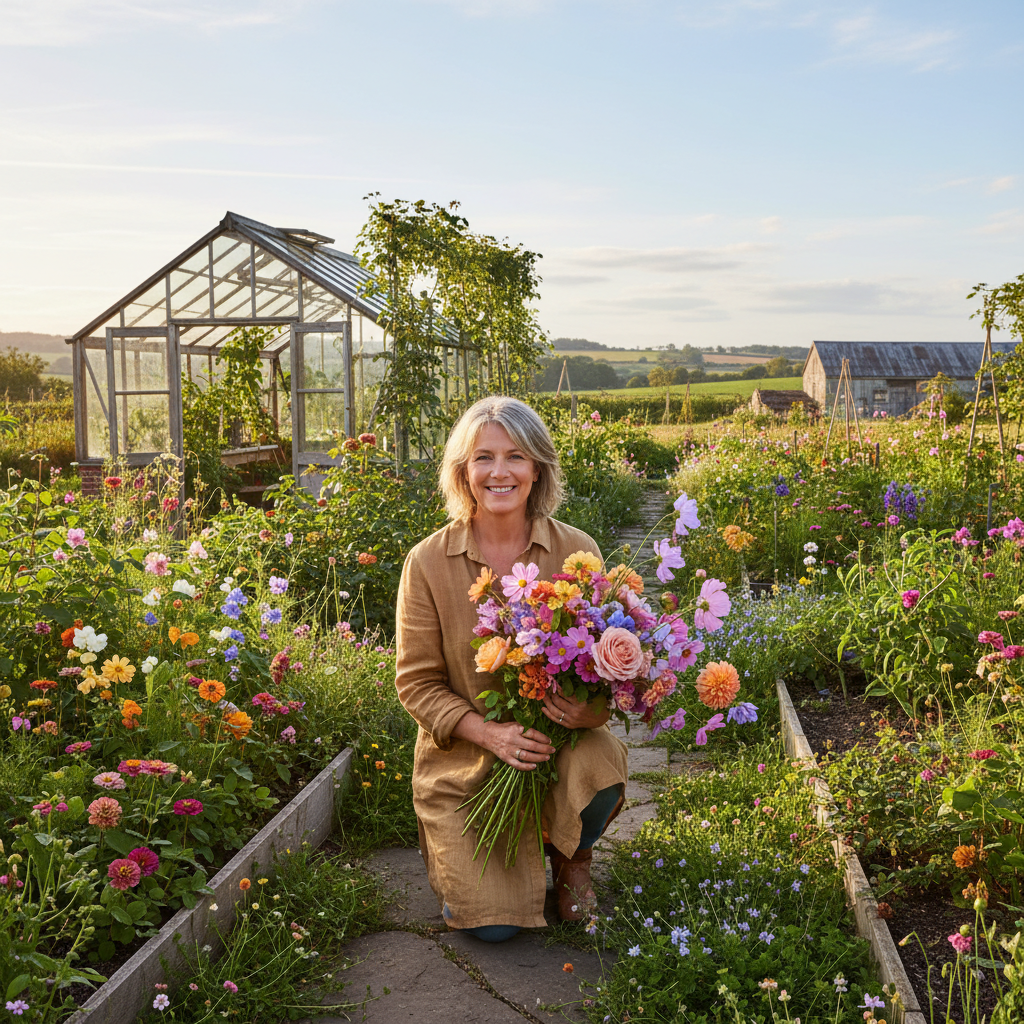
Her new book, however, presents a compelling counter-argument. Raven’s premise is that a garden designed with cutting in mind can offer a continuous supply of fresh, vibrant flowers not just for outdoor enjoyment, but also to adorn interiors, enriching daily life. She posits that far from diminishing the garden, strategic cutting can actually enhance it, encouraging more blooms and fostering a more dynamic, interactive relationship between the gardener and their plants. The title itself, ‘A Year of Cut Flowers,’ signals a comprehensive approach, guiding readers through the seasons to ensure a steady supply of fresh blooms, challenging the notion that cut flowers are only for special occasions or store-bought indulgence.
Why It Matters
For GreenNest Living readers, Sarah Raven’s ‘A Year of Cut Flowers’ isn’t just another gardening book; it’s a profound invitation to redefine sustainable living through our gardens. In an era where reducing our ecological footprint is paramount, the act of growing and cutting your own flowers offers a tangible step towards self-sufficiency and environmental stewardship. Commercial cut flowers often travel thousands of miles, require energy-intensive refrigeration, and are frequently treated with pesticides to ensure flawless appearance. By cultivating a cutting garden, you dramatically reduce this environmental impact, ensuring your bouquets are not only beautiful but also truly green.
Beyond the undeniable environmental benefits, Raven’s philosophy fosters a deeper, more intimate connection with nature. Bringing the fleeting beauty of a peony or the delicate structure of a lupine indoors transforms your living space, infusing it with life, fragrance, and the changing rhythms of the seasons. This isn't merely about aesthetics; it's about nurturing well-being, fostering a sense of calm, and celebrating the simple luxuries of nature. It empowers gardeners to extend the joy of their outdoor sanctuary into every room, providing a constant reminder of the growth and vitality they cultivate.
Furthermore, this approach encourages a more dynamic and productive gardening practice. Many flowering plants, particularly annuals and some perennials, actually benefit from regular cutting, which stimulates them to produce more blooms. This 'cut-and-come-again' method turns your garden into a renewable resource, maximizing its yield and extending its vibrant life well beyond what a static outdoor display might offer. It transforms the garden from a passive 'view' to an active, generous provider, making every cut a sustainable act of cultivation and joy.
What You Can Do
Embrace Sarah Raven’s inspiring approach to gardening with these actionable steps:
- Re-evaluate Your Garden's Purpose: Consider dedicating a portion of your existing garden, or even a small raised bed, specifically for cutting. This shifts your mindset from merely viewing to actively harvesting.
- Research Cut Flower Varieties: Investigate plants known for their suitability as cut flowers, focusing on varieties that offer long vase life and respond well to regular harvesting, such as zinnias, cosmos, snapdragons, dahlias, and certain perennials.
- Plan for Succession Planting: To ensure a continuous supply throughout the year (or your growing season), learn about succession planting. Sowing seeds in stages ensures a staggered bloom time.
- Learn Proper Cutting Techniques: Educate yourself on the best ways to cut different types of flowers to encourage further blooms and maximize their longevity in a vase. Clean cuts and harvesting at the right stage are crucial.
- Embrace Composting: After your cut flowers have faded indoors, add them to your compost bin. This completes the sustainable cycle, returning nutrients to the soil for future blooms.
- Support Sustainable Floristry (or Be Your Own!): By growing your own, you become your own sustainable florist, drastically reducing the demand for imported, chemically treated blooms. Share your excess with friends and family!
FAQs
Q: Will cutting flowers actually harm my garden or reduce its beauty?
A: Not if done correctly! Many flowering plants actually benefit from regular cutting, which encourages them to produce more blooms. Strategic harvesting can extend the flowering season and maintain plant vigor. The key is to select appropriate varieties and use proper techniques.
Q: What types of flowers are best suited for a cutting garden?
A: Excellent choices include annuals like cosmos, zinnias, sweet peas, and sunflowers, which are prolific producers. Perennials like peonies, delphiniums (as mentioned by Raven), echinacea, and dahlias also make fantastic cut flowers, offering beauty year after year.
Q: Is growing my own cut flowers truly more sustainable than buying them?
A: Absolutely. Homegrown flowers eliminate the carbon footprint associated with long-distance transportation, refrigeration, and often, the use of pesticides and synthetic fertilizers common in commercial floriculture. You have full control over your growing practices, ensuring an eco-friendly bloom.
Sources
This article is based on reporting by Gardenista.
Original source
Gardenista
Author, Digital Entrepreneur & AI Creator
More from Garden & Plants
- LA Oasis: Modern Spanish Colonial Design for Sustainable Living — May 13, 2026
- Flowering Shrubs: The Underrated Backbone of Your Eco-Garden — May 11, 2026
- Native Wisteria: Blooming Beauty, Boosting Biodiversity — May 10, 2026
- Embracing the Subtle Beauty of Shade Gardens — May 9, 2026
- Ground Covers: The Low-Maintenance Path to a Greener Yard — May 8, 2026