Saving Coffee: How Knowledge Can Brew a Sustainable Future
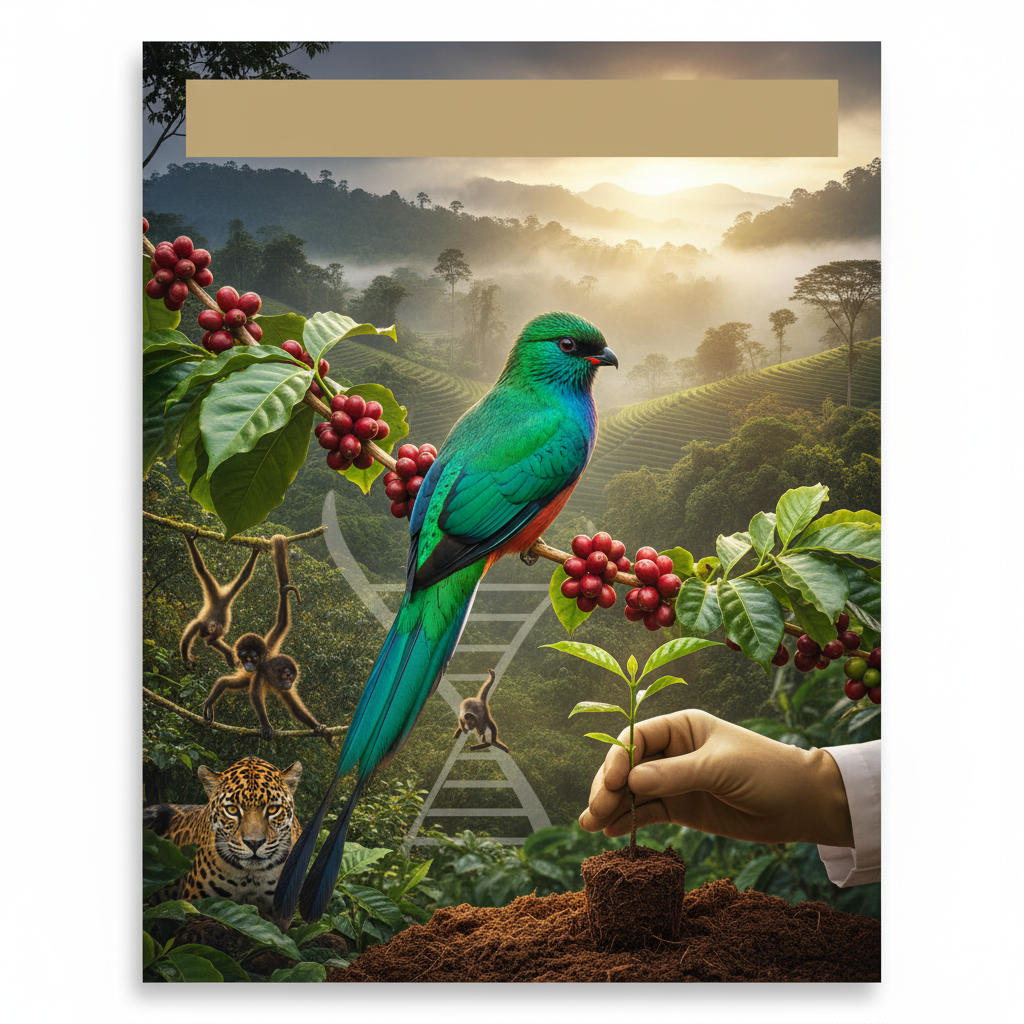
Key Takeaways
- Climate change threatens half of Arabica coffee-growing regions by 2050, impacting farmers, economies, and biodiversity.
- Solutions, including climate-resilient farming practices and diversified crops, already exist and are being compiled into accessible knowledge platforms.
- Consumers can support sustainable coffee by choosing certified brands (Fair Trade, Rainforest Alliance, Organic) and understanding their coffee's origin.
- Advocating for climate action and reducing personal carbon footprints are crucial steps to mitigate the root cause of the problem.
- The collective effort of farmers, researchers, industry, and consumers is vital for ensuring a sustainable future for coffee.
The Looming Threat to Our Morning Ritual
For many of us at GreenNest Living, the day doesn't truly begin until we've savored that first comforting cup of coffee. It's more than just a beverage; it's a ritual, a global commodity, and the lifeblood for millions of farmers worldwide. But what if this cherished daily habit, and the livelihoods it supports, were under existential threat?
A recent report from Mongabay's "Wildlife & Nature News" section brings sobering news: roughly half of the world’s Arabica coffee-growing regions could become unsuitable for cultivation by 2050 due to the escalating effects of climate change. This isn't just about a potential price hike or a slight inconvenience; it's a crisis brewing on a global scale, threatening biodiversity, economies, and the cultural fabric of coffee-producing nations.
Why Climate Change is Roasting Our Coffee Future
Arabica coffee, which accounts for about 60% of global production, is notoriously finicky. It thrives within a narrow band of temperature and rainfall, usually at higher altitudes. As global temperatures rise, these ideal conditions shift or disappear entirely. Regions once perfect for Arabica become too hot, too dry, or experience unpredictable weather patterns like intense rainfall followed by prolonged droughts. This environmental instability makes farming incredibly difficult and often unsustainable.
The consequences extend far beyond our daily caffeine fix. Millions of smallholder farmers in countries across Latin America, Africa, and Asia depend on coffee for their income. A shrinking coffee harvest means lost livelihoods, increased poverty, and potential social unrest. It also impacts biodiversity, as coffee cultivation often occurs in ecologically rich areas, and unsustainable practices can lead to deforestation and habitat loss.
A Sip of Hope: Knowledge as Our Best Brew
Despite the grim forecast, experts emphasize that solutions exist. The Mongabay article highlights a promising development: the aggregation of existing knowledge into one comprehensive e-library. This isn't a new invention but a powerful consolidation of research, best practices, and innovative strategies already developed by scientists, farmers, and conservationists globally. Think of it as a central hub where the accumulated wisdom on sustainable coffee farming, climate-resilient varieties, and adaptive management techniques can be accessed by those who need it most.
What kind of solutions are we talking about? While the news snippet doesn't detail the contents of this specific e-library, generally, climate-smart coffee initiatives include:
- Developing resilient varieties: Breeding or discovering coffee plant varieties that are more tolerant to heat, drought, or specific pests and diseases exacerbated by climate change.
- Agroforestry practices: Integrating shade trees into coffee farms. This not only provides cooler microclimates for coffee plants but also enhances biodiversity, improves soil health, and sequesters carbon.
- Improved water management: Implementing irrigation techniques that conserve water and help coffee plants withstand dry spells.
- Sustainable land use: Promoting farming methods that prevent soil erosion, maintain soil fertility, and reduce the need for chemical inputs.
- Diversification: Encouraging farmers to grow other crops alongside coffee to create alternative income streams and reduce dependence on a single, vulnerable commodity.
- Pest and disease management: Adapting strategies to combat new or intensified pest and disease threats linked to changing climates.
The very existence of this e-library signals a crucial shift: we have the tools; now it's about dissemination and implementation on a global scale. It underscores the belief that knowledge, shared and applied, is our most potent weapon against climate change's agricultural impacts.
Beyond the Bean: Actionable Insights for GreenNest Living Readers
As conscious consumers and advocates for sustainable living, our role in securing coffee's future is significant. Here’s how you can make a difference:
1. Choose Sustainably Sourced Coffee
Look for certifications like Fair Trade, Rainforest Alliance, or Organic. These labels often indicate that coffee growers adhere to environmental protection standards, fair labor practices, and sustainable farming methods that can include climate adaptation strategies. Supporting these brands sends a clear message to the industry.
2. Understand Your Coffee's Origin
Familiarize yourself with the regions facing the greatest climate threats. Research brands that directly partner with farmers in these vulnerable areas, investing in their long-term sustainability and climate resilience initiatives. Direct trade relationships often lead to better prices for farmers and greater transparency.
3. Advocate for Policy and Research
Support organizations and policies that fund climate change research, sustainable agriculture development, and initiatives that help farmers adapt. Knowledge is power, but it needs investment to grow and spread.
4. Reduce Your Carbon Footprint
Climate change is the root cause. Every effort we make to reduce our personal carbon footprint – from energy consumption to transportation and diet – contributes to mitigating the overall threat to coffee and countless other ecosystems.
5. Educate and Engage
Share this information with friends and family. The more people who understand the connection between their cup of coffee and global climate change, the greater the collective pressure for change. Follow reputable sources like Mongabay and GreenNest Living for updates on these critical issues.
The Global Coffee Community: A Collective Effort
The challenge of climate change is immense, but the spirit of innovation and collaboration within the global coffee community offers genuine hope. From the scientists developing new coffee varieties to the farmers implementing agroforestry, and the conscious consumers making informed choices, every link in the chain plays a vital role.
The Mongabay report reminds us that the knowledge to save coffee already exists. Our task now is to ensure this knowledge reaches every corner of the coffee-growing world and that we, as consumers, support a future where coffee can continue to thrive, enriching lives and protecting our planet. Let's make sure our daily brew is not just delicious, but also deeply sustainable.
Original source
GreenNest Living Editorial
Author, Digital Entrepreneur & AI Creator
More from Wildlife & Nature News
- The Silent Drain: Sand Scarcity Threatens Global Ecosystems — May 13, 2026
- Celestial Glimpse: Earth's Glow, Our Lost Night Skies — May 11, 2026
- Google's UK Datacentre Emissions Understated by Factor of Five — May 10, 2026
- Cosmic Beacon: Earth's Glow Inspires Global Stewardship — May 9, 2026
- Amazon Tipping Point: Deforestation, Warming Threaten Rainforest by 2040s — May 8, 2026