Saving the Song: A New Hope for Regent Honeyeaters
Key Takeaways
- Critically endangered regent honeyeaters are losing their ancestral mating songs.
- The loss of song hinders breeding success as females prefer complex vocalizations.
- Scientists are using wild-born birds to re-teach captive-bred birds their species' songs.
- Restoring the original song repertoire aims to improve breeding prospects upon release.
- This initiative demonstrates an innovative and holistic approach to species recovery.
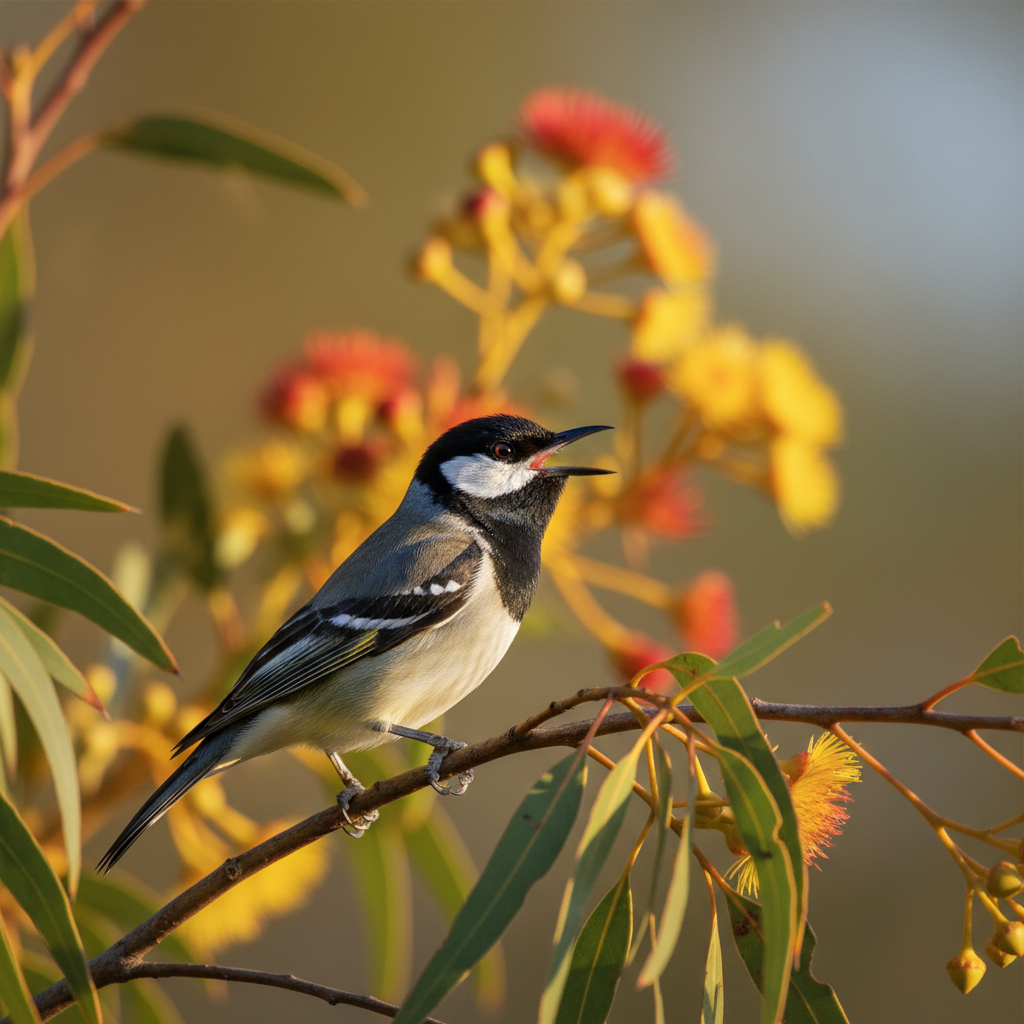
In a heartening and innovative turn for wildlife conservation, researchers are deploying a unique strategy to save the critically endangered regent honeyeater from the brink of extinction: teaching them to sing again. With only an estimated 250 individuals left in the wild, the species has not only suffered a dramatic population decline but also a devastating loss of its complex mating songs, jeopardizing future breeding prospects. This initiative offers a glimmer of hope, proving that sometimes, the most profound solutions come from understanding the very essence of a species.
TL;DR: Key Facts
- The regent honeyeater is critically endangered, with only about 250 individuals remaining.
- Due to population decline, young male honeyeaters lost the ability to learn their ancestral complex mating songs.
- This loss of song significantly hinders breeding success, as females prefer males with diverse vocalizations.
- Scientists are now recruiting wild-born regent honeyeaters to act as 'song mentors' for captive-bred birds.
- The goal is to restore the birds' original song repertoire, thereby improving their breeding prospects when released into the wild.
What Happened
The critically endangered regent honeyeater, a vibrant and striking bird native to southeastern Australia, faces an existential threat far beyond its dwindling numbers: it has forgotten its song. Researchers have observed that as the population plummeted, young male honeyeaters, traditionally learning their elaborate mating calls from older males, no longer had enough adult tutors. This auditory isolation led to a generational knowledge gap, resulting in simpler, less attractive songs or even mimicking other species' calls.
This loss of song is not merely an aesthetic concern; it's a critical barrier to reproduction. Female regent honeyeaters, like many bird species, are known to select mates based on the complexity and quality of their song. Males with diminished or incorrect vocalizations struggle to attract partners, directly impacting the species' already perilous breeding rates. Without a robust repertoire of their species-specific songs, released birds are at a significant disadvantage, hindering conservation efforts.
In response, an innovative solution is being trialed: introducing wild-born, song-proficient regent honeyeaters into aviaries with captive-bred young males. These 'mentor' birds will serve as living songbooks, allowing the younger generation to re-learn the intricate calls essential for successful courtship. The hope is that by restoring their natural song, these birds will stand a much better chance of finding mates and breeding effectively once released into their natural habitats, offering a vital boost to the struggling population.
Why It Matters
This initiative for the regent honeyeater is more than just a conservation project; it’s a poignant reminder of the intricate web of life and the often-unforeseen consequences of biodiversity loss. When a species loses its song, it loses a piece of its identity, its culture, and its fundamental ability to survive. It highlights that conservation isn't just about protecting habitats or boosting numbers; it's also about preserving the complex behaviors, social structures, and even the 'cultural knowledge' that allow species to thrive.
The story of the regent honeyeater's lost song underscores the devastating ripple effect of extinction. As populations shrink, the social learning pathways critical for species-specific behaviors, from foraging techniques to mating rituals, can collapse. This project serves as a compelling case study for the novel and often creative solutions required in modern conservation. It demonstrates a holistic approach, moving beyond simple reintroductions to actively rehabilitate behavioral traits crucial for long-term survival.
For GreenNest Living readers, this news is a powerful illustration of why every action we take towards sustainable living matters. The decline of the regent honeyeater is a stark warning about the fragility of ecosystems. The effort to restore their song is a beacon of hope, showing that dedicated, innovative human intervention can make a tangible difference in reversing environmental damage and fostering biodiversity. It's a testament to the idea that nature, given a chance and the right support, possesses an incredible capacity for recovery.
What You Can Do
Inspired by the efforts to save the regent honeyeater, here are actionable steps you can take to contribute to wildlife and nature conservation:
- Support Conservation Organizations: Donate to or volunteer with reputable charities focusing on endangered species and habitat restoration in Australia and globally.
- Create Wildlife-Friendly Spaces: Plant native trees and shrubs in your garden to provide food, shelter, and breeding sites for local bird populations and insects.
- Reduce Pesticide Use: Opt for organic gardening methods. Pesticides harm insect populations, which are vital food sources for many birds, and can directly impact bird health.
- Advocate for Protected Areas: Support policies and initiatives that establish and maintain national parks and wildlife sanctuaries, preserving critical habitats.
- Educate Yourself and Others: Learn about endangered species in your region and share that knowledge. Awareness is the first step towards action.
- Report Sightings: If you're in an area known for rare birds, report sightings to local ornithological societies or citizen science projects; this data is crucial for monitoring populations.
FAQs
Q: Why is song so important for regent honeyeaters?
A: Song is crucial for regent honeyeaters primarily for attracting mates. Females are known to prefer males with complex and species-specific songs, making it a key factor in successful breeding and the continuation of the species.
Q: How did regent honeyeaters lose their ancestral song?
A: They lost their song due to a severe decline in their population. With fewer adult males available, young males did not have enough 'tutors' to learn the intricate vocalizations of their species, leading to a generational gap in this learned behavior.
Q: What is the current population status of the regent honeyeater?
A: The regent honeyeater is classified as critically endangered, with current estimates suggesting there are only around 250 individuals left in the wild.
Sources
This article is based on reporting by The Guardian Environment.
Original source
The Guardian Environment
Author, Digital Entrepreneur & AI Creator
More from Wildlife & Nature News
- The Silent Drain: Sand Scarcity Threatens Global Ecosystems — May 13, 2026
- Celestial Glimpse: Earth's Glow, Our Lost Night Skies — May 11, 2026
- Google's UK Datacentre Emissions Understated by Factor of Five — May 10, 2026
- Cosmic Beacon: Earth's Glow Inspires Global Stewardship — May 9, 2026
- Amazon Tipping Point: Deforestation, Warming Threaten Rainforest by 2040s — May 8, 2026