Sip Sustainably: Saving Coffee from Climate Change's Grip
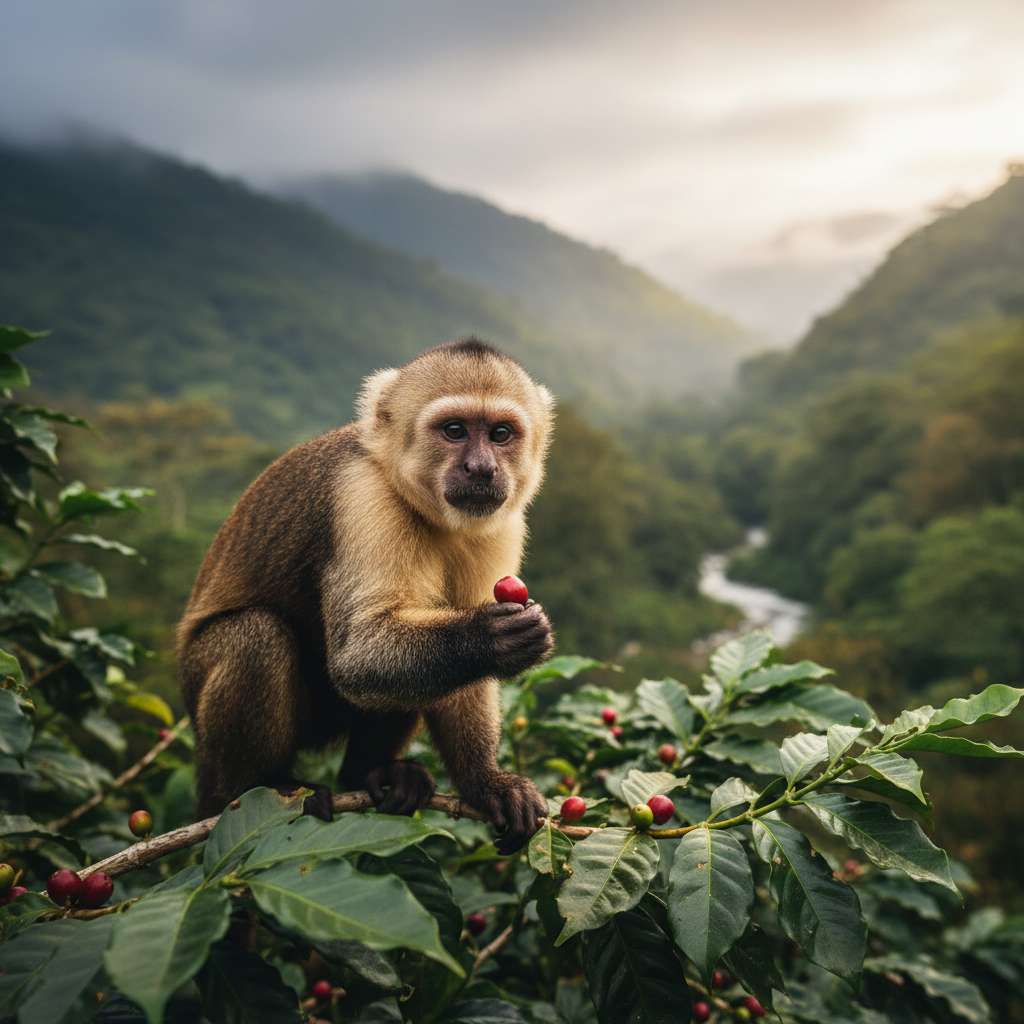
Key Takeaways
- Climate change threatens half of arabica coffee regions by 2050, impacting farmers' livelihoods and global supply.
- Solutions like climate-resilient farming techniques and new coffee varieties already exist.
- A new e-library aims to make vital sustainable coffee knowledge accessible to farmers worldwide.
- Consumers can make a difference by choosing certified, ethically sourced, and sustainable coffee brands.
- Supporting broader climate action and demanding supply chain transparency are crucial for securing coffee's future.
Your Morning Brew at Risk? The Fight to Save Coffee
For many of us at GreenNest Living, the day doesn't truly begin until we've had that first sip of coffee. It's more than just a beverage; it's a ritual, a comfort, and a global connector. But what if that cherished ritual, and the millions of livelihoods it supports, were under severe threat? Recent reports from Mongabay paint a stark picture: roughly half of the world's arabica coffee-growing regions could become unsuitable for cultivation by 2050 due to climate change. This isn't just an inconvenience; it's an ecological, economic, and social crisis in the making.
Yet, amidst this sobering forecast, there's a powerful glimmer of hope: the solutions, as Mongabay highlights, already exist. The challenge lies in making this vital knowledge accessible and actionable. Imagine an e-library, a comprehensive repository of sustainable farming practices and climate-resilient strategies, now available to empower coffee farmers globally. This isn't just about preserving our morning fix; it's about securing a sustainable future for one of the world's most important agricultural commodities. Let's delve into what this means and how we, as conscious consumers, can play a pivotal role.
The Bitter Truth: Climate Change's Brew
The statistics are alarming. A 50% reduction in suitable arabica land by mid-century underscores the urgency of the climate crisis. Arabica, known for its delicate flavor and aroma, is particularly vulnerable. It thrives within narrow temperature bands and requires specific rainfall patterns. Rising temperatures, erratic precipitation, prolonged droughts, and increased incidence of pests and diseases—all hallmarks of a changing climate—are pushing coffee plants beyond their resilience limits.
- Economic Devastation: Millions of smallholder farmers in vulnerable regions, from Latin America to Africa and Asia, depend on coffee for their income. Losing their crops means losing their livelihoods, potentially driving increased poverty and migration.
- Environmental Impact: As existing coffee lands become untenable, there's a risk of farmers clearing new forest areas, including biodiverse rainforests, in search of more suitable climates. This deforestation exacerbates climate change, creating a vicious cycle and threatening precious ecosystems.
- Global Shortages and Price Hikes: A significant reduction in coffee supply would inevitably lead to higher prices, impacting consumers worldwide and potentially making coffee an inaccessible luxury for many.
This isn't a distant problem; it's unfolding now, affecting communities and ecosystems that are already stressed. The need for proactive, informed intervention is paramount.
A Ray of Hope: Knowledge is Power (and Preservation)
The good news, as emphasized by the Mongabay report, is that we are not starting from scratch. Decades of research and on-the-ground innovation have yielded a wealth of knowledge on how to cultivate coffee sustainably and adapt to a changing climate. The key is disseminating this coffee knowledge effectively.
This new e-library is a game-changer. It consolidates best practices and cutting-edge research, offering practical solutions:
- Climate-Resilient Varieties: Information on coffee varieties that can withstand higher temperatures, less water, or are more resistant to specific diseases.
- Agroforestry Systems: Guidance on integrating shade trees with coffee plants. This mimics natural forest ecosystems, reduces heat stress, improves soil health, sequades carbon, and provides additional income streams for farmers.
- Sustainable Water Management: Techniques for efficient irrigation, water harvesting, and soil moisture retention, crucial in areas experiencing drought.
- Pest and Disease Management: Eco-friendly methods to combat new or intensifying pest and disease outbreaks driven by climate shifts.
- Soil Health Improvement: Practices like composting and cover cropping to enhance soil fertility and carbon sequestration.
By democratizing access to this information, the e-library empowers farmers, researchers, and policymakers to implement effective, localized strategies. It fosters a collaborative approach, ensuring that solutions are not just theoretical but actionable and scalable.
Brewing a Sustainable Future: What GreenNest Living Readers Can Do
While the solutions for sustainable coffee farming are primarily for those on the ground, our choices as consumers have a profound impact. Every cup of coffee we drink can either contribute to the problem or be part of the solution. Here's how you can make a difference:
- Choose Certified and Ethically Sourced Coffee: Look for certifications like Fair Trade, Rainforest Alliance, Organic, or Direct Trade labels. These certifications often indicate that coffee was grown using sustainable practices, protects biodiversity, and ensures fair wages for farmers, helping them invest in climate resilience. Do a little research into what each certification truly represents.
- Support Brands Committed to Sustainability: Many coffee companies are actively investing in climate adaptation projects, supporting farmer education, and promoting sustainable agriculture. Seek out these eco-friendly coffee brands and let your purchasing power speak.
- Reduce, Reuse, Recycle (and Compost!): Minimize your coffee waste. Use reusable coffee cups, consider compostable pods if you use a single-serve machine, and compost your coffee grounds, which are excellent for gardens.
- Educate Yourself and Others: Understand the journey of your coffee from bean to cup. Share this knowledge with friends and family. The more informed we are, the better decisions we can make collectively.
- Advocate for Climate Action: Beyond coffee, support policies and initiatives aimed at tackling climate change at a broader level. A stable climate is the ultimate solution for sustainable coffee and countless other environmental challenges.
- Demand Transparency: Ask your favorite coffee shops and brands about their sourcing. Encourage them to be transparent about their supply chains and their commitment to climate resilience.
Our Collective Responsibility for a Sustainable Coffee Industry
The threat to coffee is a poignant reminder of climate change's pervasive reach, impacting everything from our daily routines to global economies and delicate ecosystems. But it also highlights the power of knowledge, innovation, and collective action. The existence of an e-library dedicated to saving coffee is a testament to human ingenuity and our capacity to find solutions.
As GreenNest Living readers, your commitment to sustainable living extends beyond your home to the global community. By making conscious choices about your coffee, you're not just enjoying a delightful beverage; you're casting a vote for sustainable livelihoods, biodiversity protection, and a resilient future for one of the world's most beloved crops. Let's ensure that the aroma of freshly brewed coffee continues to grace our mornings for generations to come, cultivated with respect for both people and planet.
Original source
GreenNest Living Editorial
Author, Digital Entrepreneur & AI Creator
More from Wildlife & Nature News
- The Silent Drain: Sand Scarcity Threatens Global Ecosystems — May 13, 2026
- Celestial Glimpse: Earth's Glow, Our Lost Night Skies — May 11, 2026
- Google's UK Datacentre Emissions Understated by Factor of Five — May 10, 2026
- Cosmic Beacon: Earth's Glow Inspires Global Stewardship — May 9, 2026
- Amazon Tipping Point: Deforestation, Warming Threaten Rainforest by 2040s — May 8, 2026