Small Gardens, Big Impact: A New Vision for a Greener World
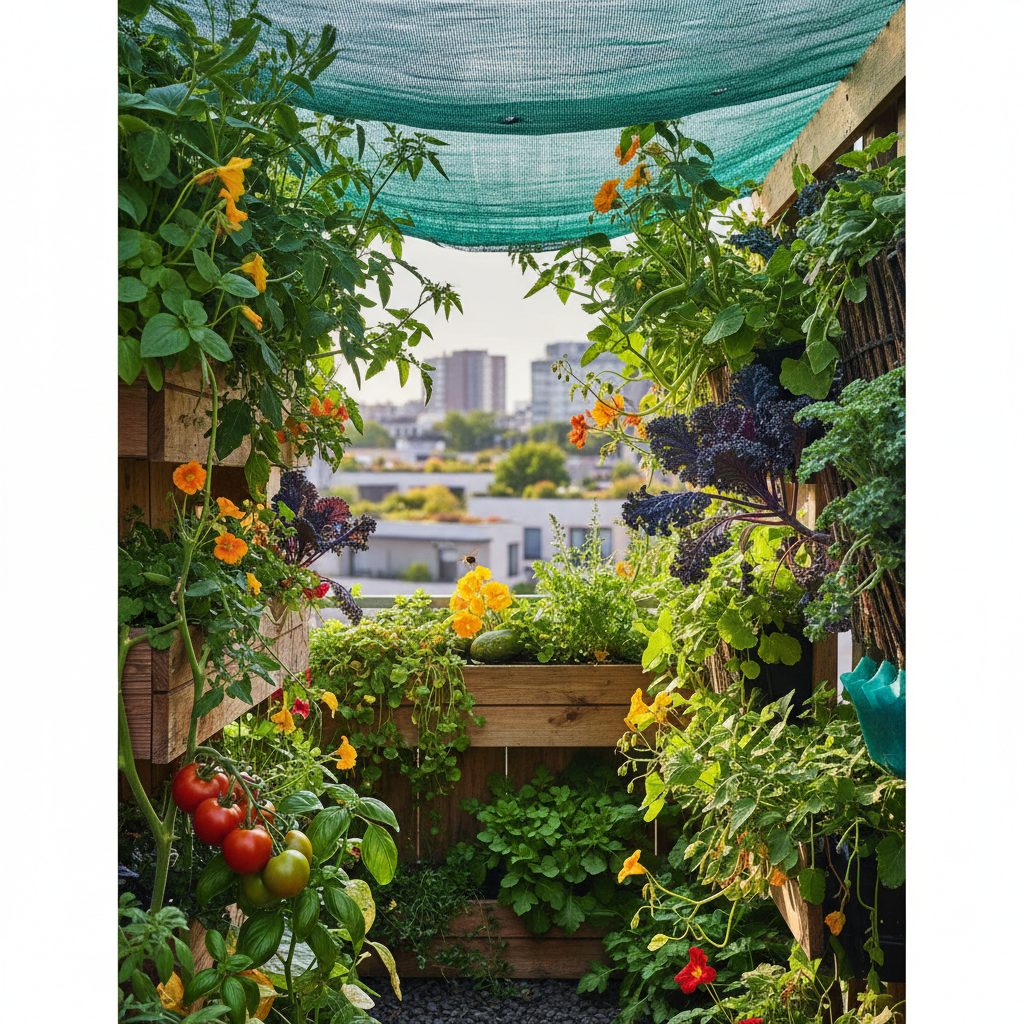
Key Takeaways
- New book highlights the ecological and emotional power of small gardens.
- Introduces 'solastalgia' as the grief of environmental change in familiar places.
- Advocates for gardens as active solutions to environmental degradation and community disconnection.
- Challenges the trend of replacing natural green spaces with hardscaping.
- Empowers individuals to create positive environmental impact through their own small landscapes.
In an era of increasing environmental concern and widespread 'solastalgia' – the grief of losing familiar landscapes – a groundbreaking new book offers a potent antidote. It champions the transformative power of small gardens, not just as aesthetic spaces, but as vital hubs for ecological recovery and community resilience. This isn't just about pretty blooms; it's about re-imagining our personal green spaces as catalysts for global change.
TL;DR: Key Facts
- A new book, “Gardens That Can Save the World,” redefines the potential of small landscapes.
- It introduces 'solastalgia,' the distress of environmental change in familiar surroundings.
- The book advocates for small gardens as solutions to both ecological degradation and emotional disconnection.
- It challenges the trend of replacing natural greenery with utilitarian structures like carports.
- The core message emphasizes community, nature connection, and environmental impact through local action.
What Happened
The publication of “Gardens That Can Save the World” shines a spotlight on an often-overlooked aspect of environmental action: the profound impact of small-scale gardening. The book delves into the concept of 'solastalgia,' describing it as the anguish felt when one's familiar environment changes adversely, even while still residing within it. This includes the subtle shift from naturally wild or slightly unkempt neighborhood gardens to starker, gentrified landscapes dominated by hardscaping and carports.
More broadly, 'solastalgia' encapsulates the emotional toll of witnessing broader ecological degradation. The book proposes that the solution doesn't always lie in grand, sweeping gestures, but can be found in the intentional cultivation of small landscapes. It highlights how these modest green spaces can play a pivotal role in countering environmental loss and fostering a deeper connection to nature, thereby addressing both ecological and psychological well-being.
Why It Matters
For GreenNest Living readers, this book offers a paradigm shift in how we view our personal garden plots and community green spaces. It moves beyond the traditional focus on aesthetics or simple food production, positioning every garden, no matter how small, as a potential engine for environmental good. In the "Garden & Plants" category, this perspective encourages a more holistic approach, where plant choices, design, and maintenance practices are all viewed through the lens of ecological benefit and community contribution.
The concept of 'solastalgia' resonates deeply in our rapidly changing world, providing a name for the unease many feel about environmental degradation. By offering a concrete, actionable response – cultivating "gardens that can save the world" – the book empowers individuals. It suggests that personal gardening can be a powerful antidote to environmental despair, fostering local biodiversity, improving soil health, and even creating microclimates. This vision transforms gardening from a hobby into a vital act of environmental stewardship and resilience.
What You Can Do
- Embrace Biodiversity: Choose native plants that support local pollinators and wildlife, turning your garden into a mini-ecosystem.
- Rethink Your Lawn: Consider reducing lawn size and replacing it with drought-tolerant groundcovers, edible plants, or wildflower meadows.
- Compost & Recycle: Implement composting to enrich your soil naturally and reduce waste, creating a closed-loop system in your garden.
- Connect with Community: Share seeds, plants, or knowledge with neighbors, or join/start a community garden to amplify impact.
- Water Wisely: Install rain barrels or choose water-wise plants to conserve this precious resource, especially in changing climates.
- Educate Yourself & Others: Read books like “Gardens That Can Save the World” to deepen your understanding and inspire others to act.
FAQs
Q: What is 'solastalgia' and how does it relate to gardening?
A: 'Solastalgia' is the distress or melancholia caused by the adverse transformation of one's home environment. Gardening provides an antidote by actively restoring and nurturing local ecosystems, fostering a sense of agency and connection against environmental loss.
Q: Can a small garden truly make a global difference?
A: Absolutely. While individual efforts may seem minor, collectively, small gardens contribute significantly to biodiversity, carbon sequestration, local food systems, and community well-being, forming a critical network of ecological resilience.
Q: How can I start transforming my garden to be more 'world-saving'?
A: Begin by focusing on native plants, water conservation, and soil health through composting. Prioritize reducing chemical use and creating habitats for local wildlife. Every small change contributes to a larger positive impact.
Sources
This article is based on reporting by Gardenista.
Original source
Gardenista
Author, Digital Entrepreneur & AI Creator
More from Garden & Plants
- LA Oasis: Modern Spanish Colonial Design for Sustainable Living — May 13, 2026
- Flowering Shrubs: The Underrated Backbone of Your Eco-Garden — May 11, 2026
- Native Wisteria: Blooming Beauty, Boosting Biodiversity — May 10, 2026
- Embracing the Subtle Beauty of Shade Gardens — May 9, 2026
- Ground Covers: The Low-Maintenance Path to a Greener Yard — May 8, 2026