Small Gardens, Big Impact: Combating Eco-Anxiety with Green Spaces
Key Takeaways
- New book highlights the global potential of small garden spaces.
- Introduces 'solastalgia,' the grief of environmental change, and how gardens can mitigate it.
- Challenges the notion that significant environmental impact requires large-scale projects.
- Connects personal gardening to broader ecological and community benefits.
- Advocates for retaining and nurturing local green spaces against urban development.
In an era where environmental concerns weigh heavily, a new perspective emerges that empowers every individual: your garden, no matter how small, holds the key to significant ecological and personal impact. This new book offers a beacon of hope, showing how thoughtful cultivation can combat modern anxieties and contribute to a healthier planet, right from your backyard.
TL;DR: Key Facts
- A new book, "Gardens That Can Save the World," redefines the potential of small landscapes.
- It introduces "solastalgia," the distress caused by environmental degradation in one's familiar surroundings.
- The book posits that even modest gardens can serve as powerful tools against ecological loss and gentrification.
- It encourages shifting perceptions from gardening as a hobby to a crucial act of environmental stewardship.
What Happened
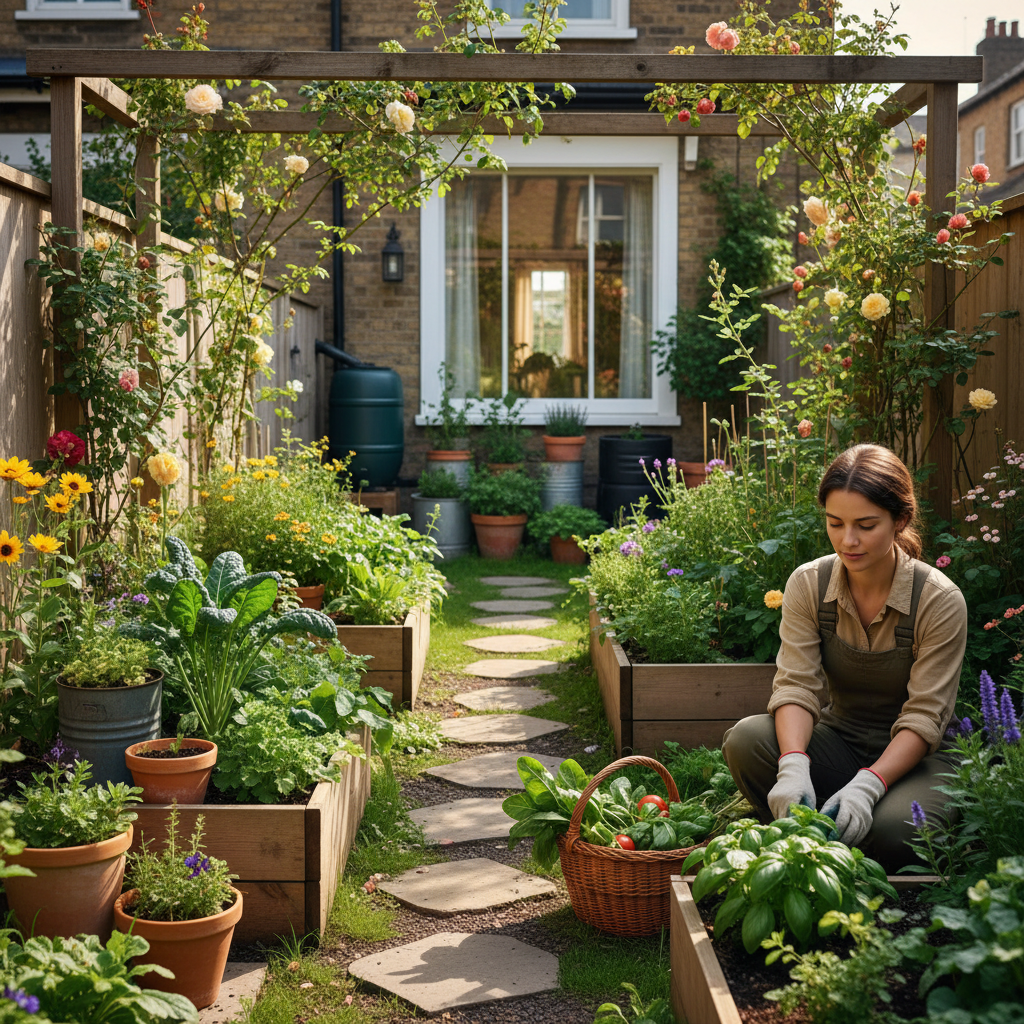
A compelling new book titled 'Gardens That Can Save the World: A New Book on Small Landscapes with Big Ideas' has emerged, proposing a powerful paradigm shift in how we view the role and potential of gardening. This publication challenges the traditional notion that significant environmental impact is reserved for large-scale conservation efforts, instead highlighting the profound collective power residing in even the most modest of green spaces, from urban balconies to suburban front yards.
The core of the book's message introduces readers to the poignant concept of 'solastalgia.' This term describes a specific form of emotional or existential distress brought on by environmental change, where one feels a profound sense of loss or homesickness for a familiar place even while still living there. Examples cited include the dismay over neighborhood gentrification, where once slightly wild, diverse gardens are paved over for carports, diminishing local greenery and community character. The book positions the intentional cultivation of small gardens as a direct and accessible antidote to such feelings, offering a path to reconnect with nature, foster resilience, and actively participate in the healing of our immediate environment.
Why It Matters
For GreenNest Living readers, this news is profoundly significant because it elevates gardening far beyond a mere aesthetic pursuit or a seasonal hobby; it redefines our relationship with nature, positioning every gardener as an active participant in environmental healing and community resilience. In an era grappling with escalating climate change, rapid biodiversity loss, and increasing urban sprawl, the idea that a small plot of land can truly be a 'world-saver' offers tangible hope and empowers individuals who might otherwise feel overwhelmed and helpless by the scale of larger environmental crises.
This empowering perspective directly addresses the growing phenomena of 'eco-anxiety' and 'solastalgia,' providing a practical, hands-on method for regaining a sense of control and fostering a vital connection to the natural world. By transforming a balcony into a pollinator haven, a front yard into a diverse native landscape, or even a window box into a miniature herb garden, we are not just growing plants. We are actively cultivating biodiversity, improving local air and soil quality, providing critical habitats for beneficial insects and birds, and potentially even producing our own sustainable food. These micro-efforts collectively contribute to a more robust, localized food system and significantly reduce our collective carbon footprint associated with global supply chains.
Moreover, the book’s powerful emphasis on the ‘big ideas’ within ‘small landscapes’ democratizes environmental action, making it accessible to urban dwellers, those with limited space, and anyone seeking to make a meaningful difference. It fosters a deeper, more intentional interaction with our immediate surroundings, moving us away from passive consumption towards active stewardship. This cultivates a stronger sense of belonging and responsibility, which is crucial for building truly resilient, green communities capable of adapting to future environmental challenges.
What You Can Do
- Start Small: Dedicate even a small patch of your garden, a balcony, or a container to native plants that support local wildlife.
- Embrace Biodiversity: Choose a variety of plants, especially those that attract pollinators like bees and butterflies, to boost local ecosystems.
- Compost & Recycle: Implement composting for kitchen and garden waste to enrich your soil naturally and reduce landfill burden.
- Grow Edibles: Dedicate a portion of your space to growing herbs, vegetables, or fruits to enhance food security and reduce carbon footprint from transportation.
- Connect with Community: Join or start a community garden initiative to share resources, knowledge, and foster local green spaces collectively.
- Observe & Learn: Spend time observing your garden's ecosystem; understand what thrives, what visits, and how you can support it further.
FAQs
Q: What is 'solastalgia' and how does gardening help?
Q: Do I need a large garden to make a difference?
A: Absolutely not. The book emphasizes that even small landscapes—balconies, window boxes, or small front yards—can collectively have a significant positive impact on local biodiversity, climate resilience, and personal well-being. Every green space, no matter the size, contributes.
Q: How can my small garden "save the world"?
A: By planting native species, supporting pollinators, improving local soil and air quality, growing food, and creating small pockets of biodiversity, your garden contributes to larger ecological networks. Collectively, these small efforts mitigate environmental degradation, build resilient communities, and counteract the loss of natural habitats, making a tangible difference.
Sources
This article is based on reporting by Gardenista.
Original source
Gardenista
Author, Digital Entrepreneur & AI Creator
More from Garden & Plants
- LA Oasis: Modern Spanish Colonial Design for Sustainable Living — May 13, 2026
- Flowering Shrubs: The Underrated Backbone of Your Eco-Garden — May 11, 2026
- Native Wisteria: Blooming Beauty, Boosting Biodiversity — May 10, 2026
- Embracing the Subtle Beauty of Shade Gardens — May 9, 2026
- Ground Covers: The Low-Maintenance Path to a Greener Yard — May 8, 2026