Songbird Trade Sparks Silent Extinction Threat for Unique 'Master Birds'
Key Takeaways
- Increasing demand for songbirds in Southeast Asia is creating a new conservation crisis.
- Lesser-known 'master birds' are being captured for their unique songs to 'mentor' other caged songbirds.
- This practice is leading to 'secondary extinctions' of master birds, as their populations dwindle.
- The loss of master birds degrades the vocal complexity and cultural value of other songbird species.
- The situation highlights critical ecological interdependencies and the need for broader conservation efforts.
In a concerning new development for biodiversity, conservationists are sounding the alarm over a hidden consequence of Southeast Asia's thriving songbird trade. Beyond the direct impact on popular singing species, an escalating demand for caged birds is now threatening the very existence of lesser-known “master birds” – unique avian mentors whose subtle influence is surprisingly critical to the region's acoustic ecosystems and the perpetuation of captive singing traditions. This phenomenon, termed “secondary extinction,” highlights a complex and often overlooked aspect of wildlife exploitation that demands immediate attention.
TL;DR: Key Facts
- Increasing demand for songbirds in Southeast Asia's caged bird trade is driving a novel conservation crisis.
- This demand indirectly threatens "master birds," species with unique songs never typically traded themselves.
- "Master birds" are crucial for teaching vocal complexity to prized songbirds, both in the wild and in captivity.
- Their decline leads to "secondary extinctions," where the cultural value and even genetic diversity of singing birds diminish due to a lack of vocal mentors.
- The issue underscores the intricate ecological and cultural web being disrupted by human activities.
What Happened
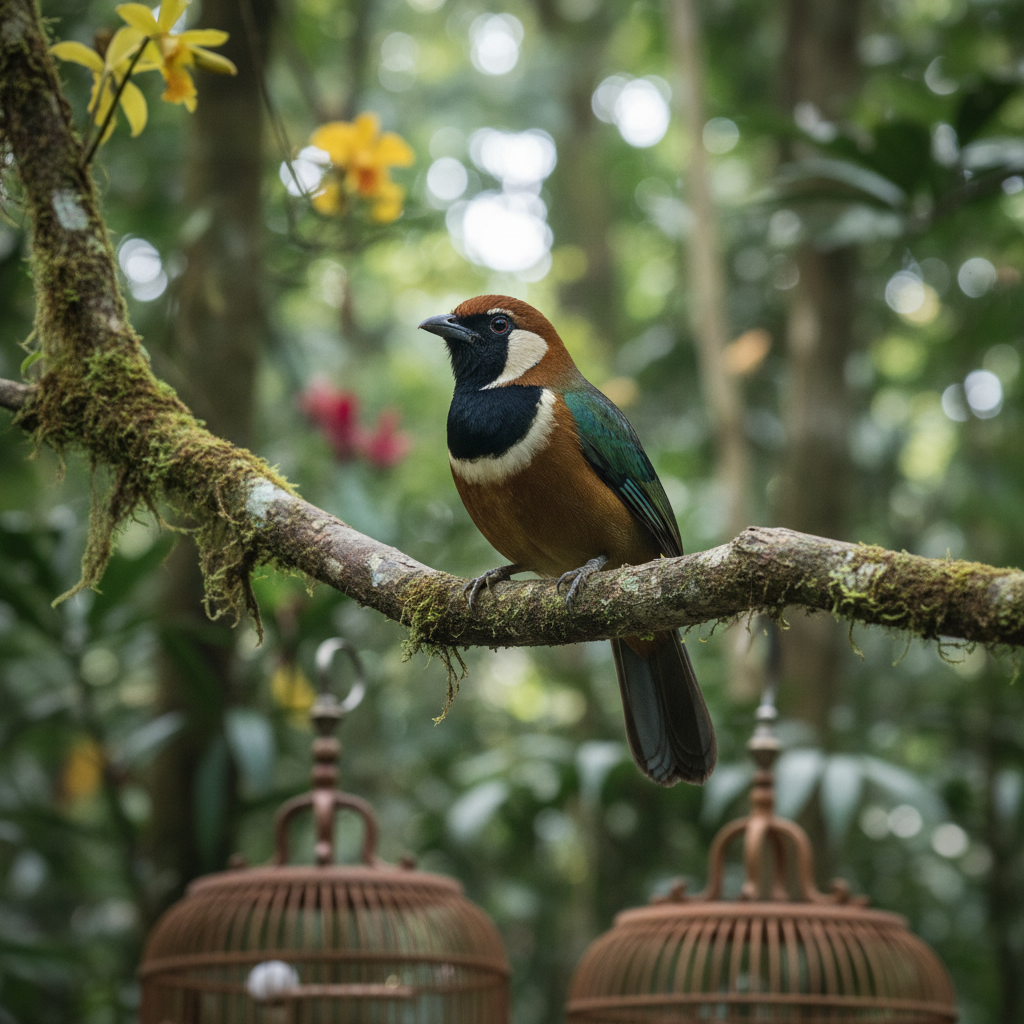
A recent study highlighted by Mongabay reveals a disturbing new threat emerging from Southeast Asia's burgeoning songbird trade: the "secondary extinction" of what researchers call "master birds." These aren't the species prized for their singing prowess in competitive events, nor are they typically found for sale in markets. Instead, master birds possess exceptionally complex and beautiful songs that, when heard by other songbirds, significantly influence and enhance their vocal development.
The problem arises because owners of competitive songbirds often cage master birds nearby, believing their unique melodies will inspire and improve their own birds' singing. This practice, while seemingly benign, creates a new form of demand. As more master birds are captured to fulfill this specific, niche purpose, their wild populations face unsustainable pressure. Unlike the direct hunting of popular songbirds, the capture of master birds for their 'mentoring' ability often goes unnoticed in traditional conservation efforts, making their decline a silent crisis.
The consequence is profound: as master bird populations dwindle, the quality of singing among the popular songbird species begins to degrade. Younger birds, lacking exposure to these rich and complex vocalizations, may develop simpler, less varied songs. This not only diminishes the cultural value of the singing bird tradition but can also have long-term ecological impacts, potentially affecting mate selection, territorial defense, and even the genetic health of these species in the wild. It’s a cascading effect, where the loss of one species' unique contribution indirectly threatens the vitality of others, even those not directly targeted by the trade.
Why It Matters
This unfolding situation in Southeast Asia perfectly encapsulates the intricate web of life and the unforeseen consequences of human desires. For GreenNest Living readers, this isn't just about birds; it's a stark reminder that environmental issues are rarely simple and often have ripple effects that extend far beyond initial observations. The concept of "secondary extinction" forces us to look beyond immediate threats like habitat loss or direct poaching and consider the subtle, yet vital, interdependencies within ecosystems. It highlights how even an appreciation for beauty—in this case, complex bird songs—can, if untempered by ecological understanding, lead to unforeseen harm.
Furthermore, this news underscores a critical aspect of biodiversity: the value of less charismatic species. Master birds, precisely because they are not the stars of singing competitions, have largely flown under the radar of conservation. Their plight reminds us that every species, regardless of its perceived "usefulness" to humans or its popularity, plays a role in maintaining ecological balance and richness. Their unique vocalizations are not just pretty sounds; they are a form of natural heritage and a key component of avian culture, which in turn influences entire ecosystems.
Ultimately, this story challenges us to broaden our understanding of conservation. It’s no longer enough to protect individual species; we must safeguard the complex interactions and ecological services they provide. The decline of master birds affects not only other bird species but also the very cultural practices that ironically depend on their existence. It's a poignant illustration of how human actions, however well-intentioned or culturally ingrained, can inadvertently unravel the delicate threads that hold our natural world together, demanding a more holistic and informed approach to sustainable living and environmental stewardship.
What You Can Do
Protecting these incredible "master birds" and supporting sustainable avian populations requires collective effort. Here’s how you, as a GreenNest Living reader, can make a difference:
- Educate Yourself and Others: Learn more about the complex dynamics of wildlife trade and the concept of secondary extinctions. Share this knowledge with friends and family to raise awareness about these often-overlooked threats.
- Support Ethical Conservation Organizations: Donate to or volunteer with organizations that work on combating illegal wildlife trade, habitat protection, and avian conservation in Southeast Asia and globally. Look for groups that focus on community engagement and scientific research.
- Avoid Purchasing Wild-Caught Birds: If you are considering owning a pet bird, ensure it is captive-bred from a reputable, ethical breeder. Never purchase birds that show signs of being wild-caught, which often includes poor health or unusual behaviors.
- Be a Responsible Tourist: If traveling to regions where bird trade is prevalent, do not contribute to the demand by purchasing birds or bird-related products. Support local businesses that promote ethical wildlife viewing and conservation.
- Advocate for Stronger Policies: Contact your elected officials to express your concern about illegal wildlife trade and advocate for stronger international cooperation and enforcement to protect endangered species and their habitats.
- Demand Transparency in Pet Trade: Encourage pet stores and suppliers to provide clear provenance for all animals, ensuring that no exotic species are sourced from unsustainable or illegal wild captures.
FAQs
Q: What exactly are "master birds" and why are they important?
A: "Master birds" are species that possess exceptionally complex and beautiful songs. While not typically traded for their own competitive singing, their unique vocalizations act as a template or 'mentor' for other songbirds, influencing and enriching their vocal development both in the wild and in captivity. Their presence ensures the continuation of diverse and intricate avian song traditions.
Q: What is a "secondary extinction" in this context?
A: A "secondary extinction" refers to the decline or potential loss of one species not directly due to habitat destruction or hunting, but indirectly because of the loss of another species it depends upon. In this case, the decline of master birds due to their capture for 'mentoring' purposes leads to a degradation or potential loss of complex singing traditions and genetic vitality in other songbird species that rely on them for vocal learning.
Q: Which region is most affected by this particular issue?
A: The study specifically highlights Southeast Asia as the primary region where the songbird trade is driving this threat to "master birds" and subsequently, other culturally prized songbird species.
Sources
This article is based on reporting by Mongabay.
Original source
Mongabay
Author, Digital Entrepreneur & AI Creator
More from Wildlife & Nature News
- The Silent Drain: Sand Scarcity Threatens Global Ecosystems — May 13, 2026
- Celestial Glimpse: Earth's Glow, Our Lost Night Skies — May 11, 2026
- Google's UK Datacentre Emissions Understated by Factor of Five — May 10, 2026
- Cosmic Beacon: Earth's Glow Inspires Global Stewardship — May 9, 2026
- Amazon Tipping Point: Deforestation, Warming Threaten Rainforest by 2040s — May 8, 2026