Susanna Grant: Cultivating Urban Biodiversity with Style
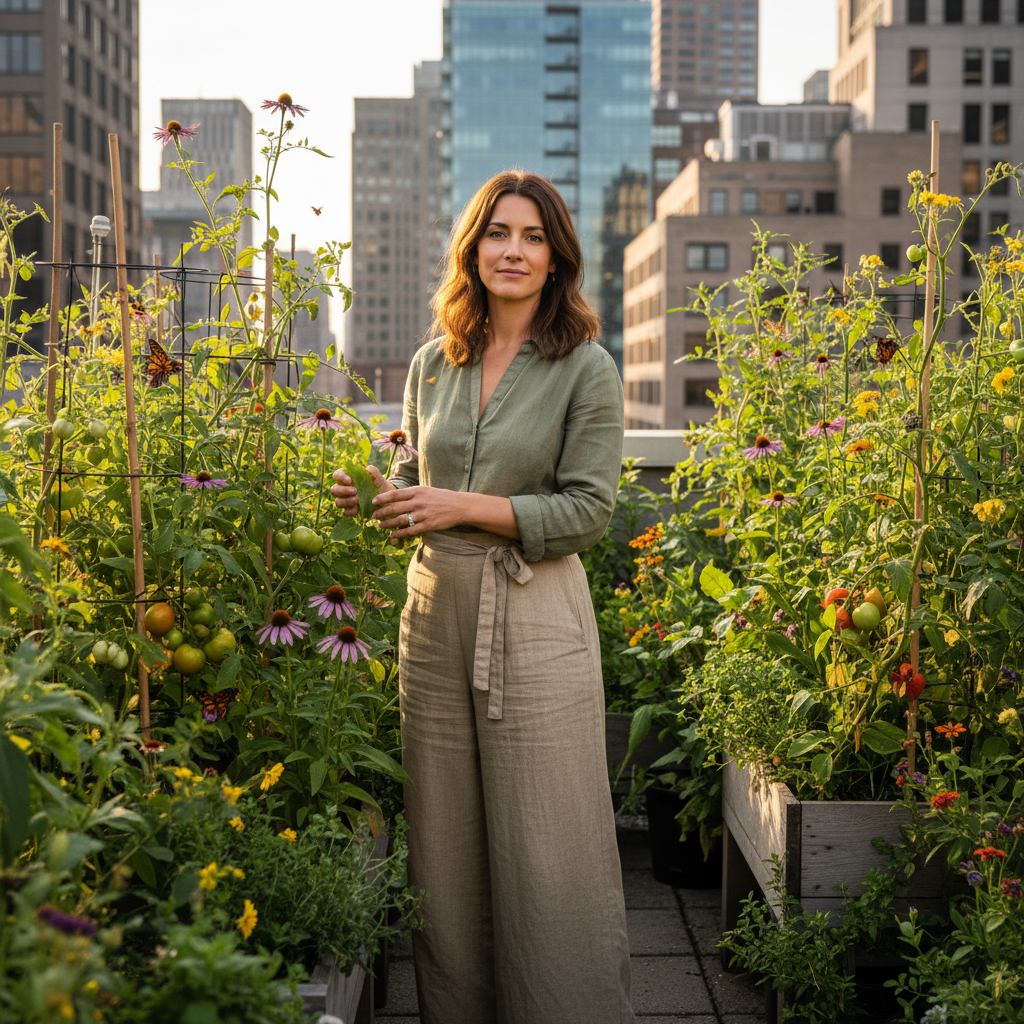
Key Takeaways
- Susanna Grant is a designer focusing on biodiverse urban gardens.
- Her consultancy LINDA emphasizes plant-focused design and material reuse.
- Grant actively organizes significant plant fairs in London.
- Her approach showcases how urban spaces can significantly boost local ecosystems.
In an increasingly urbanized world, the call for greener, more sustainable living spaces has never been louder. This week, we shine a spotlight on a visionary who is actively answering that call, transforming city plots into vibrant ecosystems. Her work offers a crucial blueprint for how we can all contribute to biodiversity, even within the confines of city life, making her insights incredibly relevant for anyone looking to cultivate a more eco-conscious home and garden.
TL;DR: Key Facts
- Susanna Grant is an acclaimed gardener, garden designer, and writer.
- Her consultancy, LINDA, specializes in designing biodiverse urban gardens.
- LINDA's approach is plant-focused and prioritizes the reuse of existing materials.
- Grant is also known for organizing and curating prominent plant fairs in London.
What Happened
In a recent 'Quick Takes' feature, we were introduced to Susanna Grant, a multifaceted professional making significant strides in the greening of urban environments. Grant identifies herself primarily as a gardener, but her influence extends across garden design and writing, cementing her as a thought leader in the sustainable gardening sphere.
At the heart of her professional practice is LINDA, her consultancy dedicated to crafting biodiverse urban gardens. LINDA's design philosophy is distinctly plant-focused, emphasizing the creation of rich ecosystems rather than just aesthetic displays. A core tenet of her work, and one that aligns perfectly with GreenNest Living's values, is the commitment to reusing existing materials wherever possible, promoting a circular economy within garden design.
Beyond her design projects, Grant plays a pivotal role in the gardening community through her organization and curation of London's premier plant fairs. These events, such as the Spring Plant Fair at the Garden Museum, serve as vital platforms for connecting plant enthusiasts, growers, and designers, further fostering a vibrant and knowledgeable gardening culture.
Why It Matters
Susanna Grant's work isn't just about beautiful gardens; it's a powerful statement on the urgent need for ecological responsibility in every aspect of our lives. Her focus on 'biodiverse urban gardens' directly addresses the pressing global issue of biodiversity loss, offering a practical, local solution. For our readers, this means understanding that even a small patio or balcony can become a crucial haven for pollinators, beneficial insects, and local wildlife, contributing to a healthier ecosystem far beyond one's property line. It reframes urban gardening from a hobby into an act of environmental stewardship.
The emphasis on 'plant-focused' design challenges conventional landscaping that often prioritizes hardscaping or purely ornamental plants. Grant's approach suggests a deeper connection to nature, where the plants themselves are the stars, chosen not just for their looks but for their ecological function – providing food, shelter, and habitat. This perspective encourages GreenNest Living readers to think critically about plant choices, favoring native species or those known to support local wildlife, thereby maximizing their garden's ecological impact.
Furthermore, LINDA's commitment to 're-using existing materials' is a masterclass in sustainable practice. In an era of escalating waste, repurposing materials for garden projects reduces landfill burden, conserves resources, and often lends a unique, characterful aesthetic to a space. This element teaches us that sustainable design doesn't have to be expensive or inaccessible; often, the most eco-friendly solutions are found right under our noses, fostering creativity and resourcefulness in our gardening endeavors.
What You Can Do
Here are actionable steps inspired by Susanna Grant's sustainable gardening philosophy:
- Prioritize Biodiversity: Choose a diverse range of native plants that support local wildlife, including pollinators, birds, and beneficial insects. Research which plants thrive in your specific climate and provide ecological value.
- Embrace Vertical & Container Gardening: If space is limited, utilize vertical planters, window boxes, and containers to maximize greenery. Even small spaces can host a vibrant, biodiverse mini-ecosystem.
- Source Reused Materials: Before buying new, look for reclaimed wood, old bricks, repurposed pots, or vintage furniture to use as planters, raised beds, or garden decor.
- Start Composting: Divert kitchen scraps and garden waste from landfills by starting a compost pile or bin. Your plants will thank you for the nutrient-rich soil amendment.
- Support Local Plant Fairs: Seek out and attend local plant fairs or community garden events. These are excellent places to find unique, often locally grown plants and connect with fellow enthusiasts and experts.
- Reduce Water Usage: Implement water-wise gardening techniques such as mulching, grouping plants with similar water needs, and collecting rainwater.
FAQs
Q: What exactly does 'biodiverse urban garden' mean?
A biodiverse urban garden is a green space designed to host a variety of plant and animal species, even within a city environment. It focuses on creating a balanced ecosystem that supports local wildlife, improves soil health, and contributes to overall ecological resilience.
Q: Why is reusing materials important in sustainable gardening?
Reusing materials reduces waste sent to landfills, conserves natural resources that would otherwise be used to create new products, and often lowers costs. It encourages creativity and adds a unique, often rustic or upcycled charm to your garden design.
Q: How can I find local plant fairs like Susanna Grant organizes in London?
Look for plant fairs by checking local garden club websites, community event listings, botanical garden schedules, and local sustainable living organizations. Social media groups for gardeners in your area can also be a great resource for discovering upcoming events.
Sources
This article is based on reporting by Gardenista.
Original source
Gardenista
Author, Digital Entrepreneur & AI Creator
More from Garden & Plants
- LA Oasis: Modern Spanish Colonial Design for Sustainable Living — May 13, 2026
- Flowering Shrubs: The Underrated Backbone of Your Eco-Garden — May 11, 2026
- Native Wisteria: Blooming Beauty, Boosting Biodiversity — May 10, 2026
- Embracing the Subtle Beauty of Shade Gardens — May 9, 2026
- Ground Covers: The Low-Maintenance Path to a Greener Yard — May 8, 2026