Sustainable Hardscaping: Reusing Garden Materials for an Eco-Friendly Aesthetic
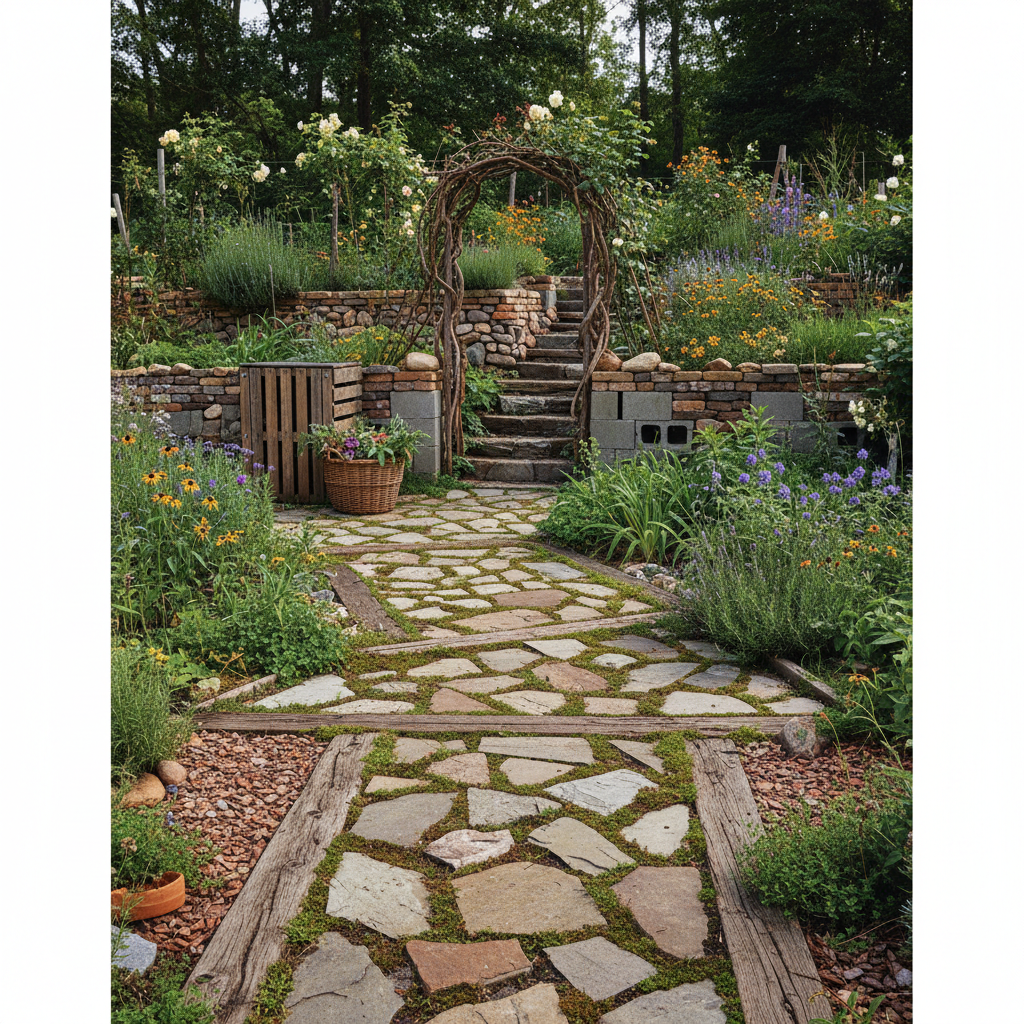
Key Takeaways
- Tom Eaglestone promotes reusing garden materials for sustainability.
- Reclaimed materials enhance garden aesthetics and reduce environmental impact.
- Hardscaping is crucial for supporting 'wilder planting' schemes.
- Local sourcing and material audits are practical first steps.
- Expert advice can ensure structural integrity for larger projects.
In an era where sustainable living is no longer a niche choice but a global imperative, our gardens offer a powerful canvas for environmental action. While much focus is given to planting choices, the very structure of our outdoor spaces—the hardscaping—often remains an overlooked opportunity for ecological innovation. This week, insights from ecological garden designer Tom Eaglestone highlight how reusing preexisting materials can transform garden design, offering both aesthetic depth and profound environmental benefits right now.
TL;DR: Key Facts
- Ecological garden designer Tom Eaglestone champions the reuse of existing and salvaged materials in garden hardscaping.
- This approach is vital for creating sustainable gardens, significantly reducing waste and environmental impact.
- Reclaimed materials lend unique character and a "lived-in" aesthetic, a refreshing alternative to new, mass-produced options.
- Proficiency in stonework and material reuse is emerging as a critical skill for modern garden designers.
- Thoughtful hardscaping underpins "wilder planting" schemes, ensuring structure and ecological integrity.
What Happened
Gardenista recently brought to light a burgeoning trend and an expert perspective on sustainable garden design, focusing specifically on hardscaping. The publication observed that a designer's talent for stonework is increasingly seen as more than just an ancillary skill; it's becoming a distinguishing factor in the competitive landscape of garden aesthetics. This emphasis arises from the understanding that even the most exuberant, "wilder planting" schemes can either flourish or fail depending on the quality and thoughtfulness of their underlying hard landscaping. Crisp, intentional edges, for instance, are presented as a clear signal that a space is indeed a cultivated garden, even amidst naturalistic plantings.
The spotlight then turned to Tom Eaglestone, an ecological garden designer based in Bath, known for his innovative approach. Eaglestone's expertise lies in his profound understanding of how to effectively reuse preexisting materials within a garden setting. His philosophy extends beyond mere functionality, advocating for an integration of salvaged elements that not only serve a structural purpose but also contribute significantly to the garden's overall character and ecological footprint.
By championing the reuse of materials, Eaglestone addresses a critical aspect of environmental sustainability in garden design. This method helps to minimize the consumption of new resources, reduces construction waste, and often lowers the embedded carbon associated with sourcing and transporting virgin materials. His work underscores a shift towards gardens that are not just beautiful, but also deeply responsible and reflective of their natural and historical contexts.
Why It Matters
For GreenNest Living readers, Tom Eaglestone’s insights are not just timely, but fundamentally redefine what it means to build a sustainable garden. In a world grappling with resource depletion and mounting waste, the traditional approach to garden hardscaping—often relying on newly quarried stone, manufactured paving, or fresh timber—carries a significant environmental burden. Eaglestone's advocacy for reusing materials offers a powerful, tangible solution that aligns perfectly with our ethos of ecological responsibility. By choosing to incorporate existing or salvaged elements, homeowners and designers can dramatically reduce their garden's carbon footprint, decrease demand for virgin materials, and divert waste from landfills. This practice transforms what might be considered rubbish into valuable, character-rich assets.
Beyond the undeniable environmental benefits, Eaglestone’s approach speaks to a deeper aesthetic and philosophical shift in garden design. There's a growing appreciation for spaces that feel "lived-in," authentic, and hold a story. Reclaimed bricks, weathered stone, or repurposed timber bring an immediate sense of history and charm that newly purchased materials simply cannot replicate. This creates gardens that are not only beautiful but also deeply personal and resonant, embodying a poetic connection to the past while serving a sustainable future. It challenges us to see beauty in imperfection and to value the unique patina that time and use bestow upon materials. This thoughtful integration of old materials elevates a garden from a mere collection of plants and structures to a dynamic, evolving ecosystem that reflects a commitment to both artistry and planetary well-being.
Moreover, Eaglestone’s emphasis on hardscaping’s role in supporting "wilder planting" highlights a sophisticated understanding of ecological design. It’s not enough to simply plant native species; their environment must also be intentionally crafted to support biodiversity and natural processes. Reusing materials for pathways, retaining walls, or terracing can create varied microclimates and habitats, encouraging local wildlife and enhancing the garden’s resilience. This integrated approach ensures that sustainable practices aren't confined to planting beds but permeate every aspect of garden creation, fostering a truly holistic and harmonious outdoor sanctuary. It offers a blueprint for how we can build beauty that endures, without compromising our planet's future.
What You Can Do
Embracing Tom Eaglestone’s philosophy of reusing materials in your garden is an achievable and rewarding endeavor. Here's how you can start:
- Conduct a Garden Material Audit: Before purchasing anything new, thoroughly inspect your property. Do you have old patio slabs, bricks from a demolished wall, broken concrete, or leftover timber from a previous project? These are potential treasures waiting to be repurposed for new pathways, raised beds, or decorative features.
- Explore Local Reclamation Yards and Salvage Depots: These often overlooked resources are brimming with characterful materials like reclaimed bricks, antique paving stones, railway sleepers, and architectural salvage. Purchasing from these sources supports local businesses and significantly reduces your environmental impact compared to buying new.
- Network with Neighbors and Local Contractors: Spread the word in your community that you're looking for used garden materials. Construction or demolition projects nearby might be keen to offload materials like rubble, soil, or even usable stones, saving them disposal costs and providing you with free resources.
- Prioritize Functionality with an Eye for Aesthetics: Think about how salvaged materials can serve a practical purpose first, then consider their aesthetic contribution. Old concrete can be broken down for a permeable sub-base for paths, while larger pieces can form unique retaining walls. The "imperfect" nature of reused materials often adds unique visual interest.
- Seek Expert Advice for Larger Projects: For substantial hardscaping, especially involving structural elements like retaining walls or complex drainage, consult with an ecological garden designer or a landscape professional experienced in working with reclaimed materials. They can ensure structural integrity and compliance with local regulations.
- Embrace the "Wabi-Sabi" of Your Garden: Let go of the need for pristine, uniform surfaces. Reused materials come with their own history, chips, and unique patinas. This "beautiful imperfection" adds depth, character, and a sense of timelessness to your garden, making it truly unique and sustainable.
FAQs
Q: What kind of materials are best suited for reuse in garden hardscaping?
A: Excellent choices include old bricks (especially those with unique historical character), natural stone (from previous landscaping or local sources), reclaimed timber (like old railway sleepers or structural beams), and even broken concrete or rubble, which can be used as sub-base material for paths or in gabion walls.
Q: How does reusing materials specifically benefit biodiversity in my garden?
A: Reused materials, especially natural stone and timber, often provide crevices, varied textures, and micro-habitats that can attract and support a range of wildlife, including insects, small reptiles, and amphibians. Unlike uniform new materials, they offer more varied surfaces for mosses and lichens to grow, further enhancing ecological value.
Q: Are there any challenges or downsides to using reclaimed materials?
A: Potential challenges include ensuring the structural integrity and safety of older materials, the need for careful sourcing to avoid contaminated items (e.g., chemically treated wood), and sometimes higher labor costs due to the irregular nature of reclaimed items. However, these are often outweighed by the environmental benefits and unique aesthetic outcomes.
Sources
This article is based on reporting by Gardenista.
Original source
Gardenista
Author, Digital Entrepreneur & AI Creator
More from Garden & Plants
- LA Oasis: Modern Spanish Colonial Design for Sustainable Living — May 13, 2026
- Flowering Shrubs: The Underrated Backbone of Your Eco-Garden — May 11, 2026
- Native Wisteria: Blooming Beauty, Boosting Biodiversity — May 10, 2026
- Embracing the Subtle Beauty of Shade Gardens — May 9, 2026
- Ground Covers: The Low-Maintenance Path to a Greener Yard — May 8, 2026