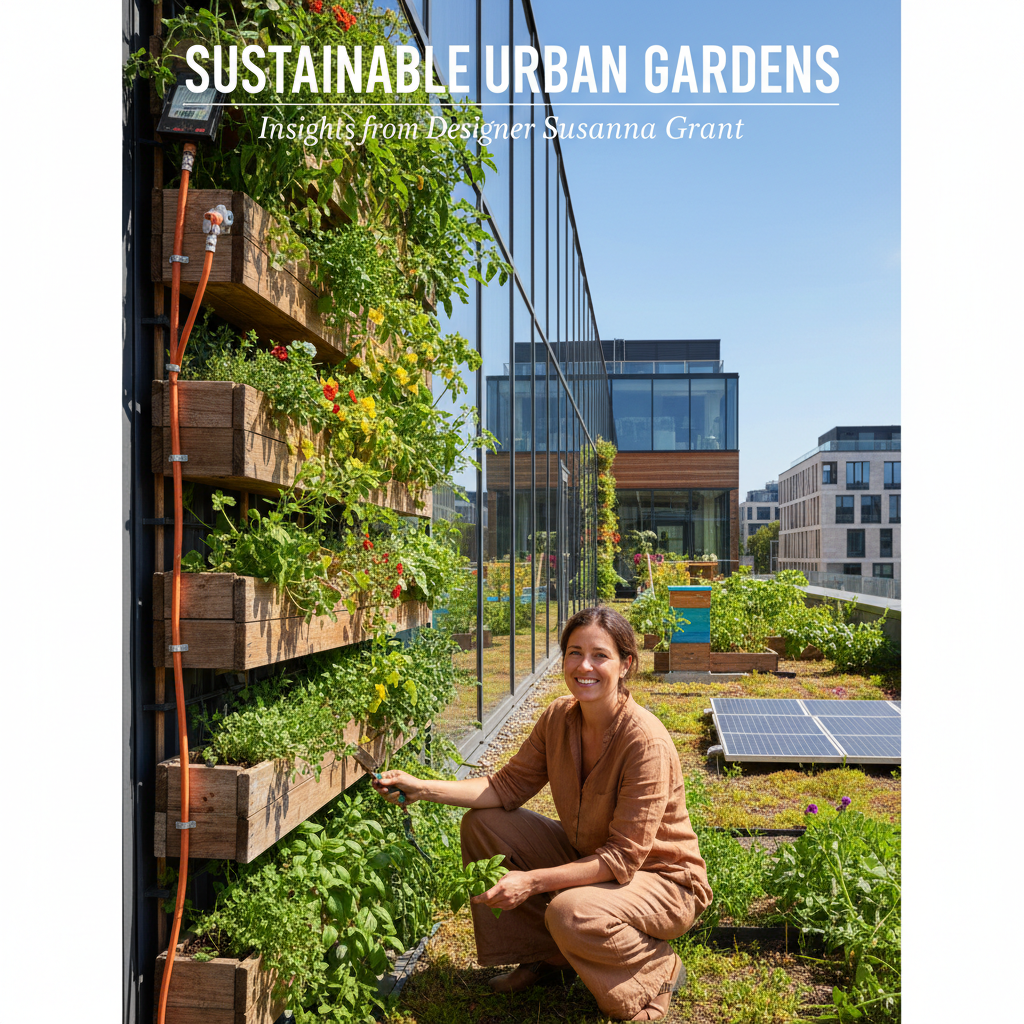
Sustainable Urban Gardens: Insights from Designer Susanna Grant
Key Takeaways
- Susanna Grant champions biodiverse urban gardens.
- Her consultancy, LINDA, emphasizes plant-focused design.
- LINDA's projects prioritize reusing existing materials.
- Grant organizes London's significant plant fairs.
- Her work promotes ecological resilience and community in urban settings.
As our cities grow and environmental concerns mount, the call for greener, more sustainable urban spaces has never been louder. The work of garden designer and writer Susanna Grant offers a timely and inspiring blueprint for how we can transform our concrete jungles into thriving, biodiverse ecosystems, enriching both our lives and the planet.
TL;DR: Key Facts
- Susanna Grant is a prominent gardener, garden designer, and writer.
- Her consultancy, LINDA, specializes in creating biodiverse urban gardens.
- LINDA's designs are plant-focused and prioritize reusing existing materials.
- Grant is also a key organizer and curator of London's major plant fairs, including the Spring Plant Fair at the Garden Museum.
What Happened
In a recent quick-take interview, Susanna Grant shared insights into her multifaceted career as a gardener, garden designer, and writer. Her professional focus centers around her consultancy, LINDA, which is dedicated to designing and planting biodiverse urban gardens. Grant's approach is distinctly plant-focused, emphasizing the creation of vibrant green spaces within city environments that support a wide array of life.
A core tenet of LINDA's philosophy, as highlighted by Grant, is the practical and environmentally conscious decision to reuse existing materials whenever possible. This commitment not only minimizes waste but also lends unique character and sustainability to her garden projects. Beyond her design work, Grant is a significant figure in London's horticultural community, actively organizing and curating some of the city's best plant fairs, such as the renowned Spring Plant Fair at the Garden Museum, fostering community and accessibility to diverse plant life.
Why It Matters
Susanna Grant's work is profoundly significant for GreenNest Living readers, as it directly addresses several critical aspects of sustainable living within the realm of gardening and urban development. Her emphasis on biodiverse urban gardens is a vital response to the ongoing decline of natural habitats and insect populations. By creating spaces that support a variety of plant species, particularly native ones, we provide essential food and shelter for pollinators, birds, and other urban wildlife, contributing to ecological resilience in our cities. This approach transforms gardens from mere aesthetic features into crucial ecological stepping stones.
Furthermore, Grant's dedication to reusing existing materials aligns perfectly with the principles of a circular economy and responsible consumption. In an era of increasing waste and resource depletion, repurposing materials like old bricks, wood, or even discarded household items for garden construction reduces landfill burden, conserves energy, and lowers the carbon footprint associated with new material production. It encourages a mindful approach to design, proving that sustainability can be both practical and beautiful, pushing back against a culture of disposable landscaping.
Finally, Grant's role in organizing plant fairs underscores the importance of community and access to green knowledge. These events are not just marketplaces; they are hubs for education, inspiration, and connection among gardeners. They democratize access to diverse plant species and expert advice, empowering individuals to create their own sustainable urban oases. Her holistic vision, from design philosophy to community engagement, offers a powerful model for how we can all cultivate healthier, greener, and more sustainable urban environments.
What You Can Do
- Prioritize Native Plants: Research and incorporate native plant species into your garden or balcony containers. These are best suited to your local climate and provide optimal support for local wildlife.
- Embrace Reuse: Before buying new, look for opportunities to repurpose materials for planters, pathways, or garden structures. Old bricks, reclaimed wood, or even sturdy household containers can find new life.
- Focus on Plant Diversity: Aim for a variety of plant types – trees, shrubs, perennials, and annuals – to create a layered habitat that supports a wider range of biodiversity throughout the seasons.
- Create a Pollinator Patch: Dedicate a small area to plants known to attract bees, butterflies, and other beneficial insects. Even a single pot of lavender or borage can make a difference.
- Attend Local Plant Fairs: Seek out community plant sales or garden fairs in your area. These events are excellent for finding unique plants, gaining expert advice, and connecting with fellow green enthusiasts.
- Reduce Waste: Start composting kitchen scraps and garden waste to create nutrient-rich soil, and avoid chemical pesticides and fertilizers that can harm soil health and biodiversity.
FAQs
Q: What does 'biodiverse urban garden' truly mean?
A: A biodiverse urban garden is a green space within a city environment designed to support a wide variety of plant and animal life. This often involves using a diverse range of plant species (especially native ones), providing habitats for pollinators and other wildlife, and minimizing human disturbance.
Q: Why is reusing materials so important in sustainable garden design?
A: Reusing materials in garden design reduces waste sent to landfills, conserves natural resources, minimizes the carbon footprint associated with manufacturing new products, and can add unique character and history to your garden space.
Q: How can I find local plant fairs and events like those Susanna Grant curates?
A: Check the websites of local botanical gardens, community gardening organizations, and horticultural societies. Social media groups dedicated to local gardening, and local news or event listings are also excellent resources for finding upcoming plant fairs and workshops.
Sources
This article is based on reporting by Gardenista.
Original source
Gardenista
Author, Digital Entrepreneur & AI Creator
More from Garden & Plants
- LA Oasis: Modern Spanish Colonial Design for Sustainable Living — May 13, 2026
- Flowering Shrubs: The Underrated Backbone of Your Eco-Garden — May 11, 2026
- Native Wisteria: Blooming Beauty, Boosting Biodiversity — May 10, 2026
- Embracing the Subtle Beauty of Shade Gardens — May 9, 2026
- Ground Covers: The Low-Maintenance Path to a Greener Yard — May 8, 2026