The Queensland Bottle Tree: Your Next 'It' Houseplant?
Key Takeaways
- The Queensland Bottle Tree (Brachychiton rupestris) is the newest trending "cult" houseplant.
- It's following in the footsteps of popular plants like Monstera and Fiddle Leaf Fig.
- Plant popularity cycles reflect broader cultural trends.
- August Laska of The Old Yew Plant Shop confirmed its star status.
Just as fashion trends come and go, so too do the darlings of the indoor plant world. If your home is still adorned with the ubiquitous Monstera or a towering Fiddle Leaf Fig, it might be time to prepare for a new botanical celebrity. The Queensland Bottle Tree is emerging as the undisputed 'it' plant, poised to become the next must-have for plant enthusiasts and sustainable decorators alike, signaling a fresh aesthetic for eco-conscious homes.
TL;DR: Key Facts
- The Queensland Bottle Tree (Brachychiton rupestris) is the newest trending "cult" houseplant.
- It's following in the footsteps of popular plants like the Monstera and Fiddle Leaf Fig, which have seen their heyday.
- Plant trends, like cultural trends, experience rises and falls in popularity.
- August Laska, owner of The Old Yew Plant Shop, confirms its star status.
What Happened
According to insights from 'Gardenista', the world of houseplants is experiencing a familiar cycle of popularity, with certain species rising to 'it' plant status before eventually being succeeded by a new favorite. August Laska, owner of The Old Yew Plant Shop in New York City, observes that this phenomenon mirrors trends seen in other cultural domains, where specific plants capture the collective imagination and adorn homes globally.
For years, plants like the broad-leafed Monstera deliciosa and the statuesque Fiddle Leaf Fig (Ficus lyrata) commanded the spotlight, becoming synonymous with contemporary interior design and a burgeoning interest in biophilic living. Their distinctive forms and relatively easy care propelled them to widespread adoration, making them fixtures in homes and Instagram feeds alike.
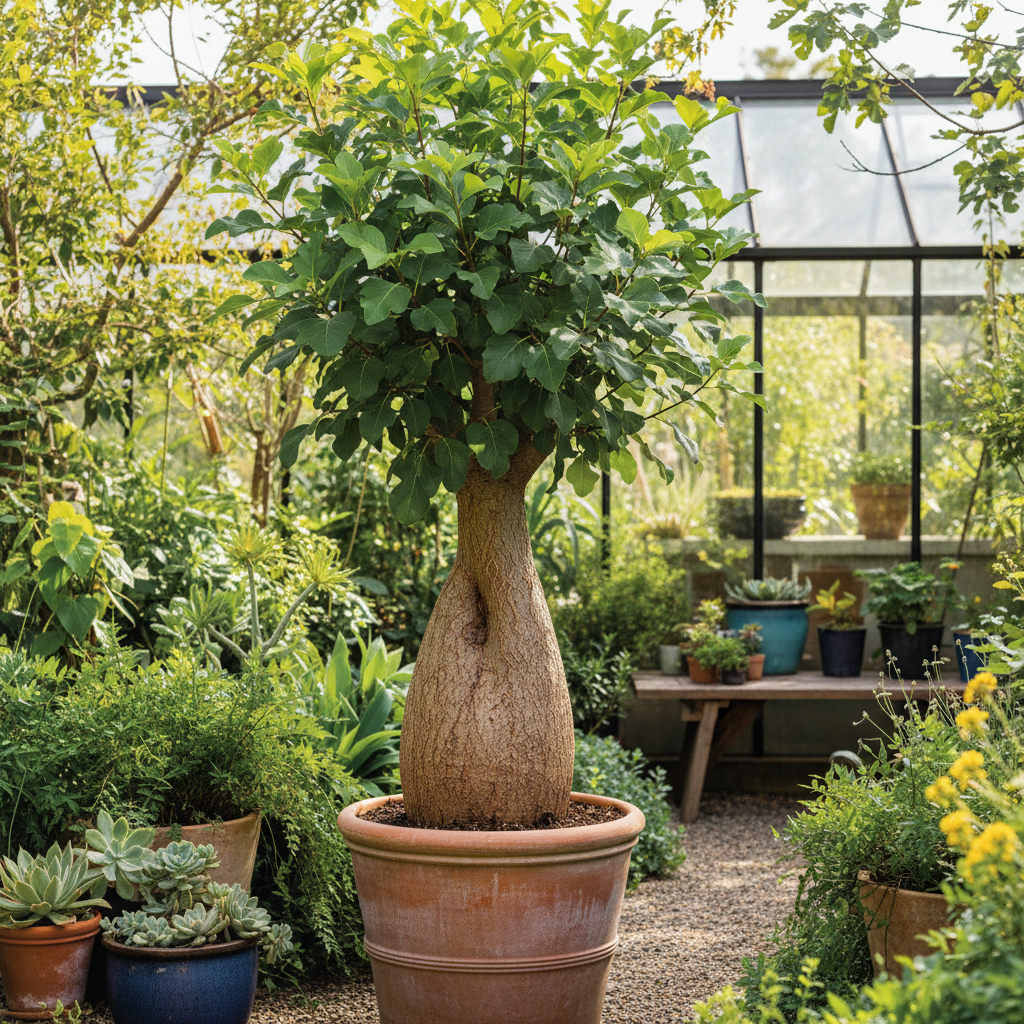
However, the spotlight is now shifting. The article highlights the Queensland Bottle Tree (Brachychiton rupestris) as the latest botanical darling to ascend to this coveted position. With its unique, bulbous trunk and delicate foliage, this Australian native is quickly captivating plant enthusiasts and designers, set to redefine what it means to have a trendy, sustainable indoor garden.
Why It Matters
For GreenNest Living readers, this shift in plant popularity is more than just a fleeting trend; it reflects deeper currents in sustainable living and our evolving relationship with nature indoors. The move from large, architectural plants like the Fiddle Leaf Fig to the more sculptural and often slower-growing Queensland Bottle Tree suggests a maturing plant aesthetic, one that appreciates unique forms and potentially lower maintenance over sheer leaf volume. This could indicate a push towards more enduring, character-rich plant companions rather than fast-growing, quickly replaced specimens.
Furthermore, the rise of a new "cult" plant like the Queensland Bottle Tree provides an excellent opportunity to explore responsible sourcing and care practices. As demand for specific plants surges, it's crucial for consumers to seek out reputable nurseries and understand the unique needs of these species to ensure their longevity and well-being. This aligns perfectly with GreenNest Living’s ethos of fostering a mindful and sustainable approach to gardening, encouraging readers to choose plants that thrive in their environment and are cared for thoughtfully.
This trend also prompts us to consider the origins of our houseplants. Hailing from Queensland, Australia, the Brachychiton rupestris brings an exotic yet resilient appeal. Understanding its native habitat can inform better care practices, promoting a more holistic and sustainable approach to indoor gardening, moving beyond simply buying what's fashionable to truly understanding and nurturing our green companions.
What You Can Do
- Research Before You Buy: Before jumping on the trend, learn about the Queensland Bottle Tree's specific light, water, and soil requirements to ensure it suits your home environment.
- Source Sustainably: Look for nurseries that propagate plants responsibly or are certified for ethical sourcing, avoiding contributing to demand that might pressure wild populations.
- Consider Its Longevity: Understand that while trendy, a bottle tree is a long-term commitment. Its unique shape evolves over time, offering a lasting sculptural element to your home.
- Embrace Its Unique Form: Appreciate the bottle tree's distinct aesthetic – its swollen trunk is a natural water reservoir, offering a conversation piece and a nod to nature's resilience.
- Rethink Plant Styling: Integrate the bottle tree as a focal point, pairing it with minimalist decor to let its unique shape shine, rather than overcrowding it.
- Share Your Journey: Document your bottle tree's growth on social media, using relevant hashtags to connect with other plant enthusiasts and share sustainable care tips.
FAQs
Q: What makes the Queensland Bottle Tree a "cult" houseplant?
A: It's gaining widespread popularity and recognition among plant enthusiasts and interior designers for its distinctive appearance, similar to how Monstera and Fiddle Leaf Figs previously dominated trends.
Q: Is the Queensland Bottle Tree easy to care for?
A: While often considered drought-tolerant due to its water-storing trunk, it still requires specific conditions regarding light, watering, and soil to thrive indoors, making research essential.
Q: Where can I find a Queensland Bottle Tree?
A: As a trending plant, it's becoming more available in specialty plant shops and online nurseries. It's advisable to check with local reputable growers first.
Sources
This article is based on reporting by Gardenista.
Original source
Gardenista
Author, Digital Entrepreneur & AI Creator
More from Garden & Plants
- LA Oasis: Modern Spanish Colonial Design for Sustainable Living — May 13, 2026
- Flowering Shrubs: The Underrated Backbone of Your Eco-Garden — May 11, 2026
- Native Wisteria: Blooming Beauty, Boosting Biodiversity — May 10, 2026
- Embracing the Subtle Beauty of Shade Gardens — May 9, 2026
- Ground Covers: The Low-Maintenance Path to a Greener Yard — May 8, 2026