Tragedy in Belgium: 400 Pigs Die, Igniting Ethical Farming Debate
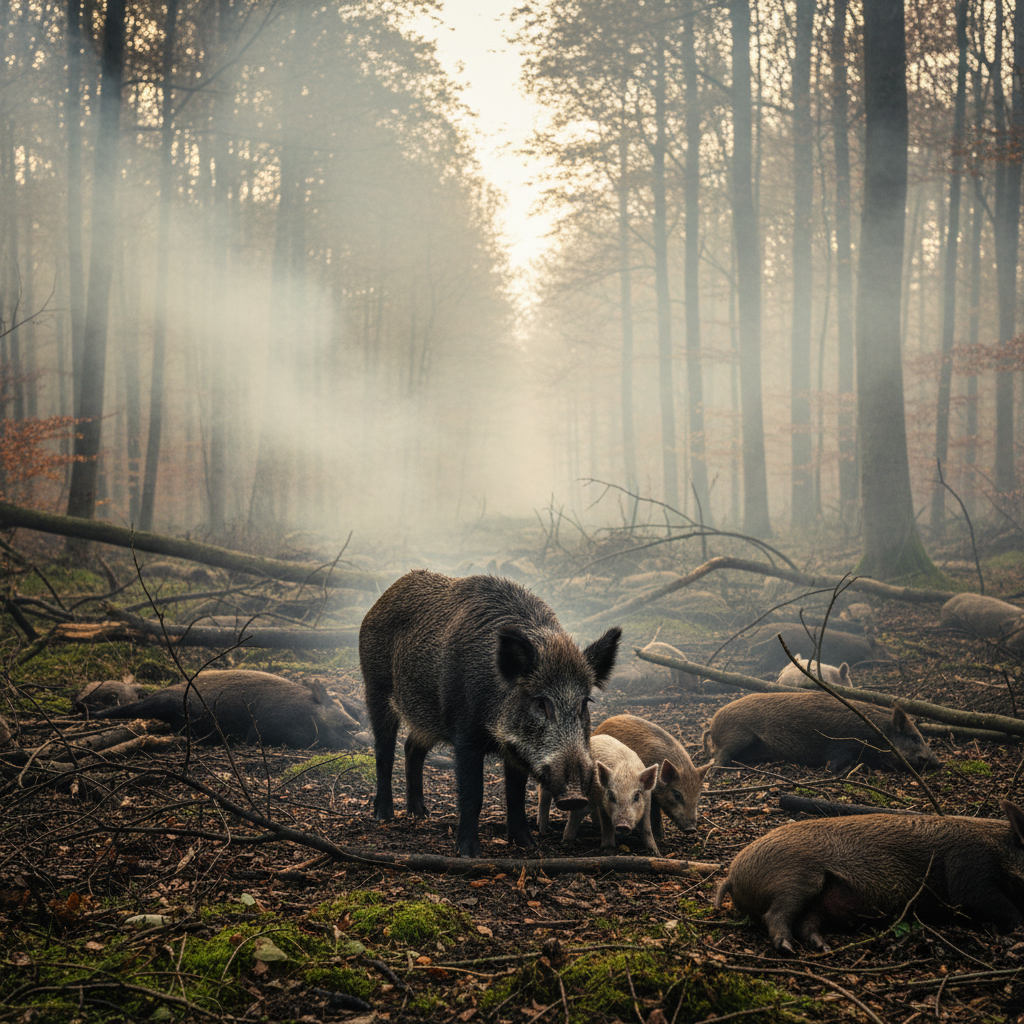
Key Takeaways
- 400 pigs died in a barn fire in Belgium, trapped with no escape.
- The incident exposes the severe animal welfare issues within intensive farming systems.
- Industrial agriculture significantly contributes to deforestation, water pollution, and greenhouse gas emissions, impacting wildlife and nature.
- Consumer choices and advocacy are crucial for driving change towards more sustainable and ethical food systems.
- The 'loss we rarely question' underscores a societal detachment from the true costs of mass-produced meat.
A tragic barn fire in Geluwe, Belgium, where 400 pigs perished, serves as a stark and urgent reminder of the often-unseen realities within our food system. This devastating event compels us to look beyond the immediate tragedy and confront the systemic issues embedded in large-scale animal agriculture, which profoundly impacts animal welfare and environmental health.
TL;DR: Key Facts
- Around 400 pigs died in a barn fire in Geluwe, Belgium, during the night of Monday to Tuesday.
- The animals were locked inside the barn with no means of escape from the blaze.
- The incident highlights the inherent risks and vulnerabilities within intensive animal farming operations.
- This tragedy underscores the urgent need to question the standard practices of large-scale livestock confinement and its broader implications.
What Happened
In the quiet Belgian town of Geluwe, a devastating barn fire erupted overnight from Monday to Tuesday, resulting in the horrific death of approximately 400 pigs. The blaze, which quickly engulfed the facility, left the animals trapped inside their enclosures. There was no available escape route, condemning the entire population within that barn to a tragic end.
This incident is not just a loss of livestock; it's a profound tragedy reflecting the inherent vulnerabilities of intensive farming systems. The rapid spread of fire in such enclosed, densely populated environments often leaves no chance for rescue or escape, raising serious questions about animal safety protocols and emergency preparedness in industrial agriculture settings.
Why It Matters
While the immediate focus of this tragedy is on the harrowing fate of the animals, its implications stretch far into the realm of wildlife and nature, forming a critical issue for GreenNest Living readers. The death of 400 pigs in a confined space is a chilling illustration of industrial farming's scale, a model that places immense pressure on natural ecosystems globally. Intensive animal agriculture, driven by demand for cheap meat, requires vast tracts of land for feed production—primarily monocultures of soy and corn. This often leads to deforestation, especially in biodiverse regions like the Amazon, and widespread habitat destruction for countless wildlife species. The conversion of natural landscapes into agricultural fields directly diminishes critical habitats and biodiversity, disrupting delicate ecological balances.
Furthermore, large-scale pig farms generate significant environmental pollution that extends beyond their immediate vicinity. The sheer volume of animal waste—manure, rich in nitrogen and phosphorus—poses a severe threat. If not managed meticulously, runoff contaminates local waterways, leading to eutrophication, or algal blooms, which deplete oxygen and create 'dead zones.' These environmental catastrophes suffocate aquatic life, from fish to amphibians and invertebrates, fundamentally altering and often destroying freshwater and marine ecosystems. This pollution cycle underscores how practices within one sector can have cascading, detrimental effects on natural environments.
Perhaps most critically, this incident highlights what The Animal Reader terms 'a loss we rarely question.' In our modern food system, the suffering and systematic loss of life in industrial settings are often hidden from public view, allowing a disconnect between consumers and the true costs of their food. This detachment extends to the environmental impacts. The massive concentration of animals in these facilities also contributes substantially to greenhouse gas emissions, primarily methane from animal digestion and and nitrous oxide from manure, accelerating climate change. Climate change, in turn, is a monumental threat to global wildlife populations, altering migration patterns, destroying habitats through extreme weather, and pushing species toward extinction. This incident, therefore, serves as a critical lens through which to examine the broader ecological footprint of our dietary choices and the profound, often unseen, costs of mass-produced meat on the natural world around us and its inhabitants.
What You Can Do
- Re-evaluate Your Dietary Choices: Consider reducing your consumption of meat, particularly from industrial sources, or exploring more plant-based alternatives. Every meal is an opportunity to make a more sustainable and ethical choice. By opting for less meat, you reduce your personal contribution to the demand that fuels intensive farming practices, thereby alleviating pressure on natural resources and promoting animal welfare.
- Support Ethical and Local Farms: Seek out farms that prioritize animal welfare, practice sustainable land management, and operate on a smaller, more humane scale. Look for certifications like "Certified Humane" or "Global Animal Partnership" which indicate higher standards. Shopping at local farmers' markets or joining a CSA (Community Supported Agriculture) connects you directly with producers who often adhere to better environmental and ethical standards.
- Advocate for Policy Change: Use your voice to support stronger regulations for animal welfare in industrial farming. Contact your elected officials to advocate for improved fire safety standards, density limits for livestock, and stringent environmental protections around agricultural facilities. Policy changes are crucial for driving systemic improvements beyond individual consumer choices.
- Educate Yourself and Others: Take the time to learn more about the environmental and ethical impacts of your food choices. Resources like documentaries, books, and investigative reports can offer deeper insights. Share this knowledge respectfully within your community, fostering greater awareness and encouraging informed decisions among friends and family.
- Minimize Food Waste: Reducing food waste is a powerful way to lessen the overall demand on the agricultural system. When food is wasted, all the resources that went into its production—land, water, energy, and feed—are also wasted. By planning meals, storing food properly, and composting scraps, you indirectly reduce the pressure on natural resources and the need for intensive livestock production.
- Support Animal Welfare and Environmental Organizations: Donate to or volunteer with reputable organizations working to improve conditions for farm animals and advocate for more humane and sustainable agricultural practices. These organizations often play a vital role in research, policy advocacy, and public education, driving change on a larger scale.
FAQs
Q: Are mass animal deaths common in industrial farming?
A: Unfortunately, large-scale losses due to disease, heat stress, or accidents like fires are not uncommon in intensive farming operations. This is largely due to the high density of animals, enclosed conditions, and often minimized safety protocols to reduce costs.
Q: What are the primary environmental impacts of intensive pig farming?
A: Key environmental impacts include deforestation for feed crops, significant water pollution from manure runoff (leading to eutrophication), substantial greenhouse gas emissions (methane, nitrous oxide), and an increased risk of antibiotic resistance in the wider environment.
Q: How can I ensure my meat is sourced more ethically and sustainably?
A: Look for third-party certifications like "Certified Humane," "Global Animal Partnership," or "Organic" (which includes animal welfare standards). Prioritize locally sourced meat from farms with transparent practices, or consider reducing overall meat consumption and exploring plant-based protein sources.
Sources
This article is based on reporting by The Animal Reader.
Original source
The Animal Reader
Author, Digital Entrepreneur & AI Creator
More from Wildlife & Nature News
- The Silent Drain: Sand Scarcity Threatens Global Ecosystems — May 13, 2026
- Celestial Glimpse: Earth's Glow, Our Lost Night Skies — May 11, 2026
- Google's UK Datacentre Emissions Understated by Factor of Five — May 10, 2026
- Cosmic Beacon: Earth's Glow Inspires Global Stewardship — May 9, 2026
- Amazon Tipping Point: Deforestation, Warming Threaten Rainforest by 2040s — May 8, 2026