US Abolishes Core Climate Regulation: What It Means for Nature
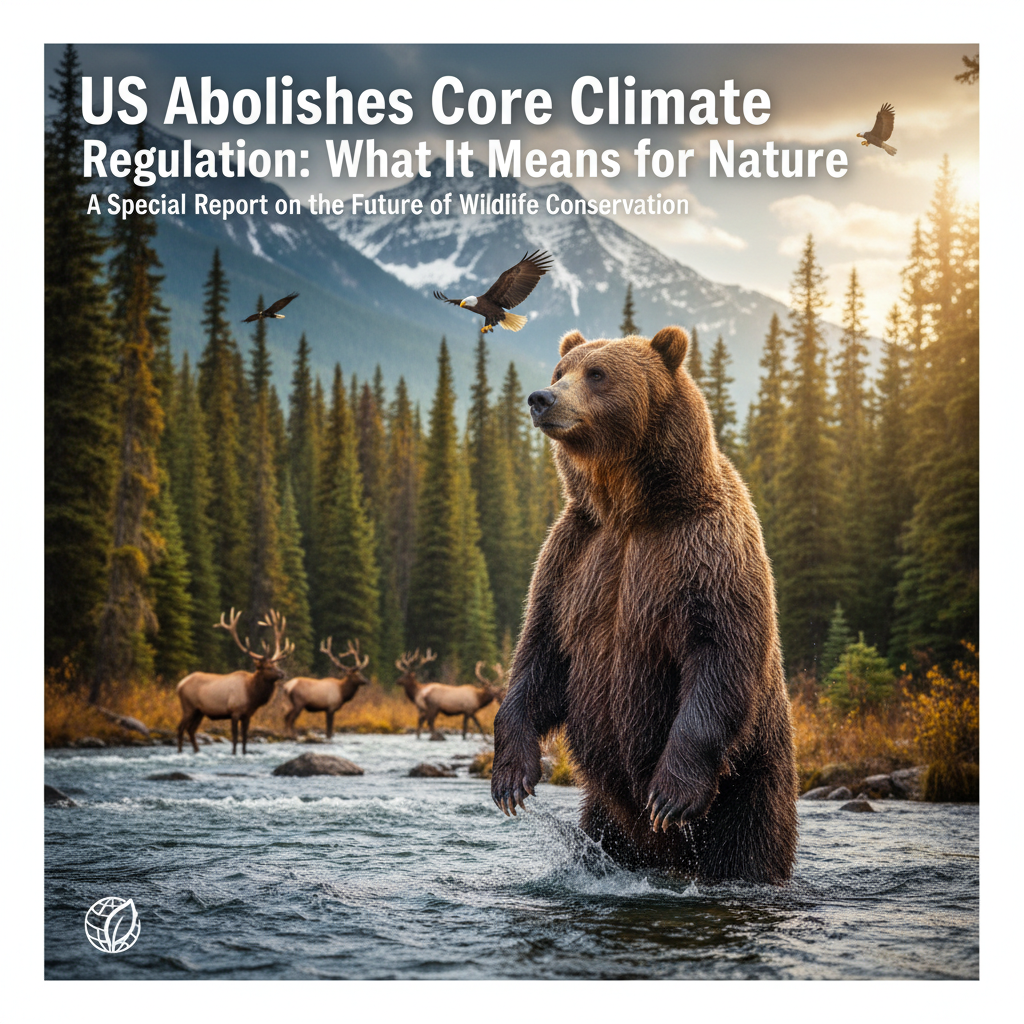
Key Takeaways
- The US repealed the 2009 'endangerment finding' on February 12.
- This finding previously enabled federal regulation of greenhouse gas emissions as pollutants.
- Its repeal removes a crucial legal foundation for future federal climate action.
- The decision has significant negative implications for climate change mitigation and environmental protection.
- This move impacts global climate efforts and the future of wildlife and natural habitats.
OPENING PARAGRAPH
A recent decision by the United States to dismantle a cornerstone environmental regulation sends a clear and concerning signal about the future of climate action. This move, repealing a rule that for years empowered federal oversight of greenhouse gas emissions, has profound implications not just for the US, but for global efforts to combat climate change and protect our planet's invaluable wildlife and natural resources.
For readers of GreenNest Living, this isn't just policy news; it's a critical moment that demands our attention, as it directly impacts the health of the ecosystems we strive to live in harmony with.
TL;DR: Key Facts
- The United States repealed the 'endangerment finding' on February 12.
- Established in 2009 under former President Barack Obama, this rule allowed federal regulation of greenhouse gas emissions as a pollutant.
- It codified the scientific consensus that human-caused greenhouse gases endanger public health and welfare.
- The repeal removes a crucial legal foundation for federal climate regulation.
What Happened
On February 12, the United States government made a significant policy shift by repealing the 'endangerment finding.' This 2009 rule was a landmark decision that had previously served as a critical legal foundation for federal climate regulation within the country.
Originating during the administration of former President Barack Obama, the endangerment finding formally recognized the long-held scientific consensus that anthropogenic greenhouse gas emissions pose a threat to public health and welfare. This recognition provided the Environmental Protection Agency (EPA) with the legal authority to regulate these emissions under the Clean Air Act, paving the way for various federal initiatives aimed at reducing carbon pollution from sources like power plants and vehicles.
By repealing this finding, the current US administration has effectively dismantled a key mechanism that allowed the federal government to implement and enforce climate-related regulations. This action represents a stark departure from previous environmental policy and casts a shadow over future efforts to address climate change at a national level.
Why It Matters
For anyone concerned with sustainable living, wildlife, and the health of our planet, the repeal of the endangerment finding is more than just a bureaucratic maneuver; it's a direct blow to environmental protection. This decision significantly weakens the federal government's ability to impose much-needed regulations on industries that are major contributors to greenhouse gas emissions. Less regulation often translates to higher emissions, accelerating the pace of climate change and exacerbating its already devastating effects on natural ecosystems.
Wildlife, in particular, stands to lose immensely. Climate change is a primary driver of habitat destruction, species migration, and extinction events. Rising global temperatures lead to more frequent and intense extreme weather events—from prolonged droughts and devastating floods to raging wildfires and stronger storms—all of which decimate animal populations and their natural homes. When a major global economy like the US steps back from its commitment to curb emissions, it sends a dangerous ripple effect through international climate efforts, making collective action harder and putting our planet’s biodiversity at even greater risk.
GreenNest Living readers understand that environmental challenges are interconnected. The weakening of climate regulations impacts everything from the air we breathe and the water we drink to the stability of our food systems and the resilience of our ecosystems. This decision undermines the very principles of sustainability and intergenerational equity that our community champions, urging us to consider what kind of world we are leaving for future generations if such foundational protections are removed.
What You Can Do
- Advocate and Contact Your Representatives: Reach out to your elected officials at all levels of government. Express your concern about climate deregulation and advocate for policies that prioritize environmental protection and sustainable energy. Your voice matters in shaping policy.
- Support Environmental Organizations: Donate to or volunteer with reputable environmental non-profits working on climate policy, conservation, and advocacy. These organizations are often at the forefront of legal battles and public education campaigns.
- Reduce Your Personal Carbon Footprint: While policy changes are crucial, individual actions still contribute. Make conscious choices to reduce your energy consumption, opt for public transport or cycling, choose plant-based meals more often, and support businesses committed to sustainability.
- Stay Informed and Share Knowledge: Educate yourself and others about the science of climate change and the implications of policy decisions. Share reliable information within your social circles to foster greater awareness and encourage collective action.
- Vote for Climate-Conscious Leaders: Research the environmental stances of candidates in local, state, and national elections. Support leaders who demonstrate a clear commitment to climate action, renewable energy, and environmental protection.
- Engage in Community Action: Join local environmental groups, participate in clean-up drives, or advocate for green initiatives in your town or city. Collective action at the community level can create powerful momentum for change.
FAQs
Q: What exactly was the 'endangerment finding'?
A: The 'endangerment finding' was a 2009 determination by the U.S. Environmental Protection Agency (EPA) that greenhouse gas emissions endanger public health and welfare. This finding provided the legal basis under the Clean Air Act for the EPA to regulate these emissions.
Q: How does this repeal affect other countries' climate efforts?
A: While directly impacting US domestic policy, this repeal sends a negative signal internationally. It can undermine global cooperation on climate change, reduce the US's credibility in international negotiations, and potentially encourage other nations to reduce their own climate ambitions.
Q: Can this decision be reversed in the future?
A: Yes, like many policy decisions, the repeal of the endangerment finding could potentially be reversed by a future administration, either through a new administrative process or potentially through legislative action, though the latter is often more challenging.
Sources
This article is based on reporting by Mongabay.
Original source
Mongabay
Author, Digital Entrepreneur & AI Creator
More from Wildlife & Nature News
- The Silent Drain: Sand Scarcity Threatens Global Ecosystems — May 13, 2026
- Celestial Glimpse: Earth's Glow, Our Lost Night Skies — May 11, 2026
- Google's UK Datacentre Emissions Understated by Factor of Five — May 10, 2026
- Cosmic Beacon: Earth's Glow Inspires Global Stewardship — May 9, 2026
- Amazon Tipping Point: Deforestation, Warming Threaten Rainforest by 2040s — May 8, 2026