US Dismantles Core Climate Rule, Eco-Impact Looms
Key Takeaways
- US repealed the 2009 'endangerment finding' on Feb. 12.
- This rule enabled federal regulation of greenhouse gases as pollutants.
- It was a cornerstone of federal climate action under Obama.
- The repeal removes a key legal basis for curbing emissions.
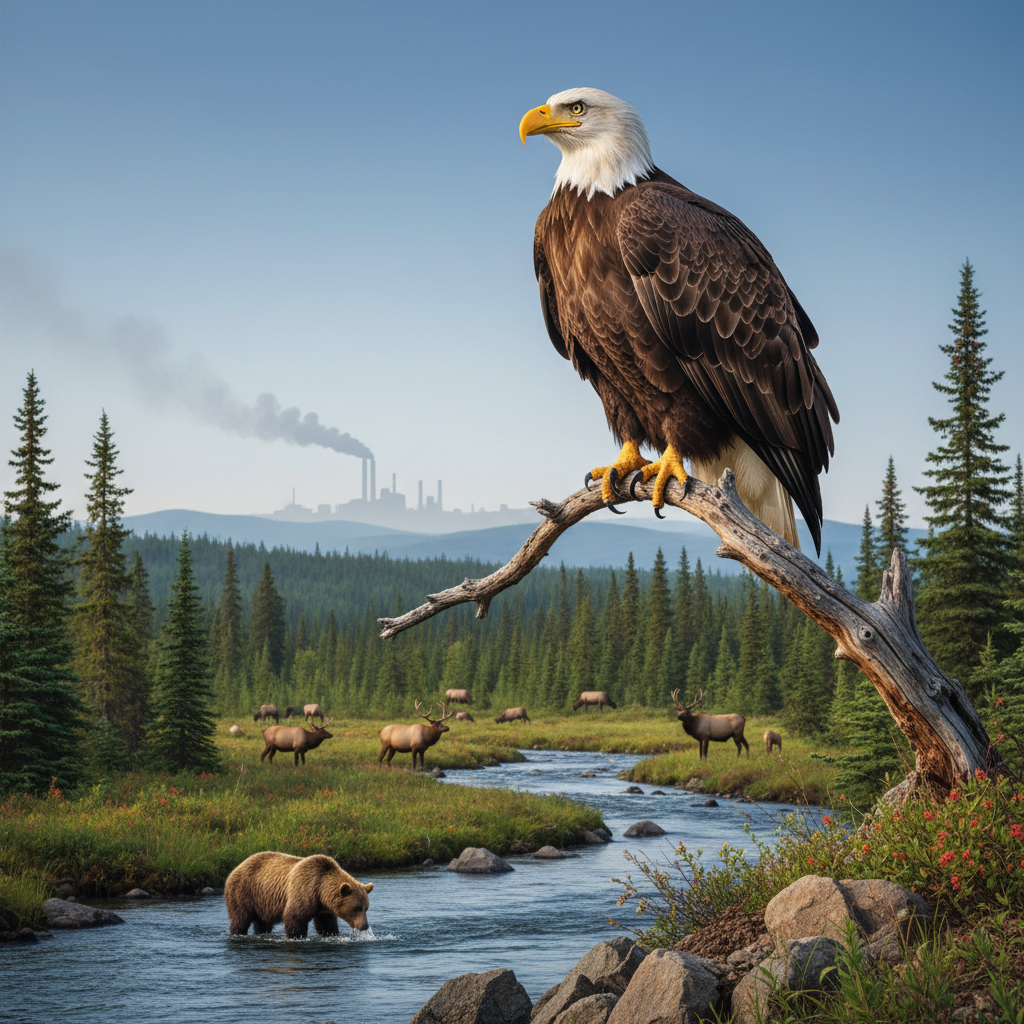
- This shift has significant implications for climate change and natural ecosystems.
US Dismantles Core Climate Rule, Eco-Impact Looms
A recent policy change in the United States has sent ripples through the environmental community, potentially reshaping the nation's approach to climate action and, by extension, the future of our natural world. This move directly impacts the very mechanisms designed to protect ecosystems and wildlife from the escalating threats of a warming planet, making it crucial for every GreenNest Living reader to understand its implications right now.
TL;DR: Key Facts
- The United States officially repealed the “endangerment finding” on February 12.
- This 2009 rule was a cornerstone that allowed the federal government to regulate greenhouse gas emissions as a pollutant.
- Established under former President Barack Obama, it provided a legal basis for climate action.
- The rule codified the long-held scientific consensus that anthropogenic greenhouse gas emissions endanger public health and welfare.
- Its repeal removes a fundamental legal tool for federal climate regulation, potentially slowing efforts to curb emissions.
What Happened
On February 12, the United States government made a significant move by repealing the so-called "endangerment finding." This finding, originally established in 2009 under the administration of President Barack Obama, served as a critical legal bedrock for federal climate regulation. Its primary function was to codify the scientific consensus that greenhouse gases (GHGs) resulting from human activity endanger both public health and welfare.
By defining GHGs as pollutants, the endangerment finding empowered federal agencies, particularly the Environmental Protection Agency (EPA), to regulate emissions under existing environmental laws, such as the Clean Air Act. This mechanism was instrumental in setting emission standards for vehicles, power plants, and other major sources. Its repeal effectively removes this foundational legal precedent, which had enabled the federal government to mandate reductions in the pollutants driving climate change.
Why It Matters
For readers of GreenNest Living, this policy reversal is far more than just bureaucratic maneuvering; it represents a profound shift with direct and potentially devastating consequences for wildlife and nature. Climate change is universally recognized as one of the most significant threats to global biodiversity, driving habitat loss, species extinction, and ecosystem collapse. The endangerment finding provided a vital tool to mitigate the root cause of these threats by allowing the U.S. government to actively reduce its greenhouse gas emissions.
The United States is one of the world's largest emitters of greenhouse gases. A weakened ability to regulate these emissions at a federal level means a potentially slower or even regressive pace in the fight against climate change. This inaction could exacerbate extreme weather events, accelerate sea-level rise, intensify ocean acidification, and disrupt delicate ecological balances. From melting polar ice caps affecting Arctic wildlife to increasingly severe droughts and wildfires devastating forest ecosystems and their inhabitants, the impacts are direct and tangible for the natural world.
Furthermore, this repeal sends a concerning signal globally about the commitment to addressing climate change, potentially undermining international efforts and agreements that rely on major nations playing their part. It could also set a precedent or influence other countries to reconsider their own environmental regulations. For our shared natural heritage, this legal rollback means that vital habitats, endangered species, and the ecological services they provide may face an even greater uphill battle for survival in the face of an accelerating climate crisis.
What You Can Do
- Stay Informed and Engaged: Actively follow environmental policy developments at local, state, and federal levels. Understanding legislative changes is the first step to effective advocacy. Look to reputable sources and environmental organizations for updates.
- Support Environmental Organizations: Donate or volunteer for non-profits dedicated to climate action, conservation, and advocating for strong environmental policies. Their work is crucial in filling regulatory gaps and driving change from the ground up.
- Vote for Climate-Conscious Leaders: Elect representatives who prioritize science-based climate action and environmental protection. Your vote is a powerful tool to shape the future of environmental governance.
- Reduce Your Personal Carbon Footprint: Adopt sustainable practices in your daily life. This includes reducing energy consumption at home, opting for public transport or cycling, choosing locally sourced and seasonal foods, and minimizing waste.
- Advocate for Clean Energy Transition: Support policies and initiatives that promote renewable energy sources like solar and wind power. Write to your representatives, participate in public consultations, and encourage your community to embrace cleaner energy.
- Engage in Local Conservation: Join local conservation groups, participate in habitat restoration projects, or advocate for green spaces in your community. Direct local action can have a significant collective impact on biodiversity.
FAQs
Q: What exactly was the "endangerment finding"?
A: The "endangerment finding" was a 2009 legal determination by the EPA that greenhouse gas emissions threaten public health and welfare, providing the legal basis to regulate them under the Clean Air Act.
Q: How does repealing this finding impact efforts to combat climate change?
A: Its repeal removes a key federal legal mechanism for requiring reductions in greenhouse gas emissions, potentially hindering the U.S. government's ability to implement comprehensive climate policies and slowing progress toward emissions targets.
Q: What is the direct link between this policy change and wildlife and nature?
A: Climate change is a primary driver of biodiversity loss and ecosystem disruption. By weakening the government's ability to regulate climate-warming emissions, this repeal increases the risks of exacerbated climate impacts on habitats, species, and natural processes worldwide.
Sources
This article is based on reporting by Mongabay.
Original source
Mongabay
Author, Digital Entrepreneur & AI Creator
More from Wildlife & Nature News
- The Silent Drain: Sand Scarcity Threatens Global Ecosystems — May 13, 2026
- Celestial Glimpse: Earth's Glow, Our Lost Night Skies — May 11, 2026
- Google's UK Datacentre Emissions Understated by Factor of Five — May 10, 2026
- Cosmic Beacon: Earth's Glow Inspires Global Stewardship — May 9, 2026
- Amazon Tipping Point: Deforestation, Warming Threaten Rainforest by 2040s — May 8, 2026