US Halts Wind Project for $1Bn, Boosts Fossil Fuels
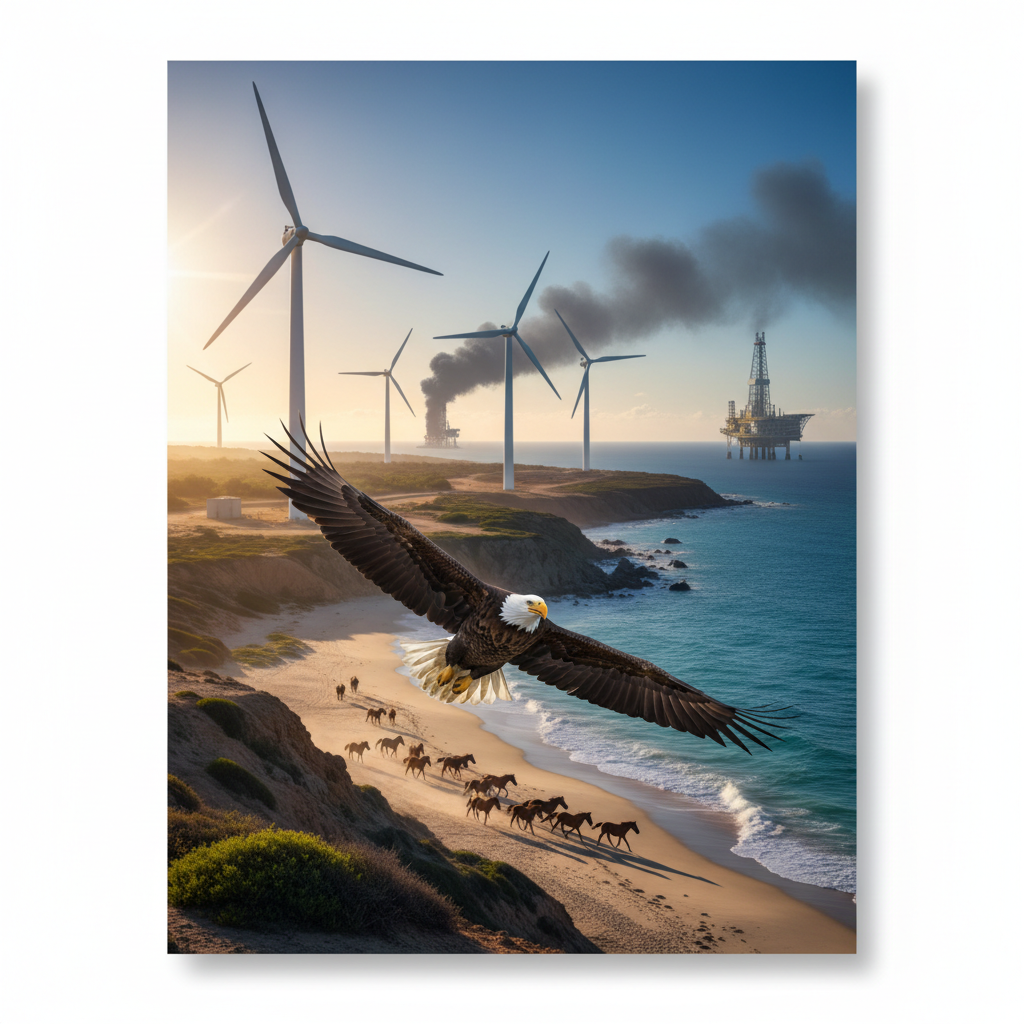
Key Takeaways
- US administration to pay TotalEnergies nearly $1 billion to cancel a wind project.
- The cancelled wind project's investment will be redirected to oil and gas instead.
- Decision made by the Trump administration amid a global fuel crisis and high fossil fuel prices.
- Represents a significant policy shift prioritizing fossil fuels over renewable energy development.
- This move has severe implications for climate change, biodiversity, and the global energy transition.
A recent announcement from the Trump administration has sent shockwaves through the global environmental and energy sectors. In a move that directly contradicts the urgent need for a transition to clean energy, the US government has agreed to pay a substantial sum to prevent the development of a major wind energy project, instead funneling investment toward fossil fuels. For readers of GreenNest Living, this isn't just political maneuvering; it's a critical moment that signals a significant setback for climate action, biodiversity protection, and the vision of a sustainable future we all strive for.
TL;DR: Key Facts
- The Trump administration announced it will pay French energy major TotalEnergies almost $1 billion.
- This payment is specifically to cancel plans for a wind energy project.
- The investment intended for wind will now be redirected towards oil and gas initiatives.
- The decision comes amid a global fuel crisis, reportedly triggered by the war in Iran, driving up fossil fuel prices.
- This marks a significant policy shift that prioritizes fossil fuel production over renewable energy development.
What Happened
In a surprising and deeply concerning development, the Trump administration has struck a deal with French energy giant TotalEnergies, agreeing to pay nearly $1 billion. The explicit purpose of this substantial payout is to halt the construction and development of a planned wind energy project. Instead of proceeding with this renewable energy venture, TotalEnergies will now redirect its investment and efforts toward oil and gas production.
This decision emerges against a backdrop of a global fuel crisis, which the source attributes to the war in Iran. This crisis has led to a significant escalation in global fossil fuel prices, seemingly influencing the administration's pivot. The move effectively trades a future in clean, sustainable power for an immediate, albeit costly, bolstering of fossil fuel supplies. It represents a dramatic shift in energy policy, actively disincentivizing renewable growth while financially incentivizing traditional, carbon-intensive energy sources.
Why It Matters
For GreenNest Living readers, this news is profoundly concerning, striking at the very core of what it means to foster sustainable living and protect our planet's delicate ecosystems. This action by the Trump administration directly impacts the global fight against climate change, which is unequivocally a wildlife and nature issue. By diverting a billion dollars away from wind power and towards oil and gas, the US is actively contributing to increased greenhouse gas emissions, accelerating global warming. Higher temperatures, altered weather patterns, and rising sea levels directly threaten biodiversity, leading to habitat loss, species extinction, and ecological collapse. From coral bleaching to disruptions in migratory patterns, nature bears the brunt of our energy choices.
Beyond climate impact, the redirection of investment to oil and gas has direct, tangible consequences for wildlife and nature. Fossil fuel extraction is inherently destructive. Offshore drilling poses risks of oil spills that devastate marine life, from plankton to whales. Onshore, processes like fracking and conventional drilling can fragment habitats, pollute soil and water, and introduce noise and light pollution that disrupts sensitive ecosystems. These activities encroach on vital natural spaces, pushing already vulnerable species closer to the brink. This deal represents not just a missed opportunity for clean energy, but an active endorsement of practices known to harm the natural world.
Furthermore, this billion-dollar pivot sets a dangerous precedent. It signals that, under certain political administrations and market conditions, governments are willing to pay significant sums to *prevent* renewable development in favor of fossil fuels. This undermines investor confidence in clean energy projects and sends a chilling message to companies and nations striving for a green transition. For the long-term health of wildlife and nature, a consistent and unwavering commitment to renewables is critical. Such reversals delay the urgent shift needed to protect our planet's biodiversity and secure a liveable future, making the path to sustainable living increasingly challenging.
What You Can Do
Navigating such news can feel disheartening, but collective action remains powerful. Here are tangible steps you can take:
- Advocate for Renewable Energy: Support politicians and policies that champion wind, solar, and other clean energy sources. Your vote and voice matter in pushing for a sustainable energy future.
- Reduce Your Personal Energy Consumption: Every kilowatt-hour saved reduces demand on energy grids, indirectly lessening the need for fossil fuels. Embrace energy-efficient appliances, insulate your home, and switch off lights.
- Invest in Green Power: If available, switch to a green energy provider for your home. Consider investing in companies that are genuinely committed to renewable energy and sustainable practices.
- Support Environmental Organizations: Donate time or money to reputable organizations that lobby for climate action, protect natural habitats, and promote renewable energy. They are on the front lines of policy change.
- Educate and Engage: Share accurate information about the benefits of renewable energy and the impacts of fossil fuels with your friends, family, and community. Informed dialogue can shift perceptions and build support for action.
- Participate in Local Initiatives: Join community efforts to promote local solar projects, advocate for bike lanes, or support urban greening. Local change can accumulate into significant broader impact.
FAQs
Q: Why would a government pay to cancel a wind project and promote fossil fuels?
A: The article suggests this decision by the Trump administration is influenced by a global fuel crisis driving up fossil fuel prices, implying a prioritization of short-term energy security and economic considerations over long-term environmental goals.
Q: What are the direct environmental impacts of this decision on wildlife and nature?
A: Redirecting investment to oil and gas will likely lead to increased greenhouse gas emissions, exacerbating climate change and its severe impacts on ecosystems and species. Furthermore, fossil fuel extraction and transport activities inherently risk habitat destruction, pollution, and direct harm to wildlife.
Q: How does this decision affect the global energy transition away from fossil fuels?
A: This move creates a significant negative precedent, potentially deterring future investment in renewable energy projects and signaling a lack of commitment from a major economy. It can slow down the necessary global shift towards sustainable energy sources, making climate targets harder to achieve.
Sources
This article is based on reporting by The Guardian Environment.
Original source
The Guardian Environment
Author, Digital Entrepreneur & AI Creator
More from Wildlife & Nature News
- The Silent Drain: Sand Scarcity Threatens Global Ecosystems — May 13, 2026
- Celestial Glimpse: Earth's Glow, Our Lost Night Skies — May 11, 2026
- Google's UK Datacentre Emissions Understated by Factor of Five — May 10, 2026
- Cosmic Beacon: Earth's Glow Inspires Global Stewardship — May 9, 2026
- Amazon Tipping Point: Deforestation, Warming Threaten Rainforest by 2040s — May 8, 2026