US Revokes Protections for Rare Rice's Whale: A Conservation Setback
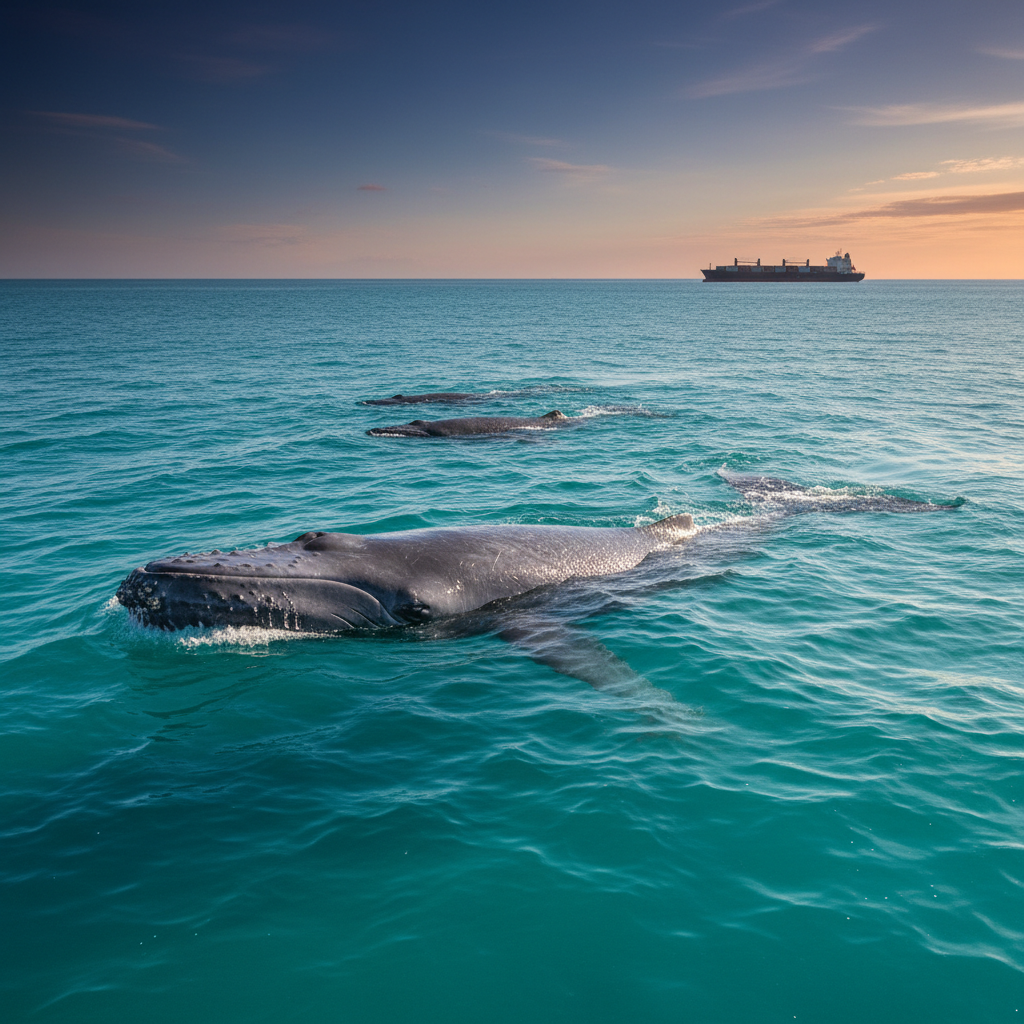
Key Takeaways
- US government removed legal protections for the Rice's whale.
- The Rice's whale is one of the world's rarest, found only in the Gulf of Mexico.
- The decision raises significant concerns about the future of this species and broader marine conservation.
- Activists and environmental groups are urging for the reinstatement of these vital protections.
- This move highlights the ongoing conflict between economic development and environmental stewardship.
In a move that has sent ripples of concern through the global conservation community, the United States government has made a critical decision regarding one of the planet's most endangered marine mammals. For readers dedicated to sustainable living and the health of our planet, understanding the implications of this action is paramount, as it directly impacts the delicate balance of our oceans and sets a worrying precedent for wildlife protection efforts worldwide.
This decision not only puts a unique species at greater risk but also challenges the very foundations of environmental stewardship, urging us all to consider the future of biodiversity in the face of shifting policy priorities.
TL;DR: Key Facts
- The United States government has officially removed legal protections for the Rice's whale.
- The Rice's whale is an exceptionally rare species, considered one of the rarest whales globally.
- Its critical habitat is exclusively within the Gulf of Mexico.
- This policy reversal significantly increases the species' vulnerability to human-induced threats.
What Happened
The Animal Reader, an independent news platform, recently reported a significant development concerning marine conservation in the United States. According to their update, the US government has officially rescinded legal protections previously afforded to the Rice's whale. This particular whale species is not just rare, but critically so, with scientists estimating a population of fewer than 100 individuals, making it one of the most endangered large cetaceans on Earth.
Native exclusively to the Gulf of Mexico, the Rice's whale – a type of baleen whale – was only officially recognized as a distinct species in 2021, having previously been considered a variant of the Bryde's whale. Its already precarious existence is now further imperiled by the removal of these vital protections, opening up its habitat to increased industrial activity and other threats that were previously mitigated by its protected status.
Why It Matters
For GreenNest Living readers, this news is not just another headline; it's a stark reminder of the fragile balance between human economic pursuits and environmental preservation. The removal of legal protections for the Rice's whale in its sole habitat, the Gulf of Mexico, is deeply concerning for several reasons. Firstly, it sends a troubling message about the current administration's commitment to biodiversity and endangered species conservation. When a species as rare as the Rice's whale loses its safety net, it signals a potential shift towards prioritizing short-term economic interests, such as oil and gas exploration or shipping, over the long-term health of our ecosystems.
Ecologically, the implications are profound. As a baleen whale, the Rice's whale plays a crucial role in the Gulf's marine ecosystem, contributing to nutrient cycling and maintaining a healthy food web. Their loss would not only be a tragedy in itself but could also trigger cascading negative effects throughout the entire Gulf environment, impacting everything from fish populations to the overall health of the ocean. Furthermore, the Gulf of Mexico is already a vulnerable ecosystem, having endured significant environmental challenges, including major oil spills. Removing protections now exposes this already stressed region and its unique inhabitants to even greater risks, including increased vessel strikes, noise pollution from seismic surveys, and potential oil spills, all of which are lethal threats to a species with such a small population.
From a global perspective, this decision also risks setting a dangerous precedent. If a developed nation like the United States can roll back protections for its most vulnerable species, it weakens the international framework for conservation and might embolden other nations to follow suit. For those who champion sustainable living, this is a call to action to advocate for stronger, not weaker, environmental policies that safeguard our planet's invaluable biodiversity for future generations.
What You Can Do
- Educate Yourself and Others: Learn more about the Rice's whale, its unique biology, and the threats it faces. Share this information with friends, family, and on social media to raise awareness about its plight and the critical nature of its habitat.
- Support Conservation Organizations: Donate to or volunteer with reputable marine conservation groups actively working to protect whales and their habitats in the Gulf of Mexico. Organizations like the Natural Resources Defense Council (NRDC) or Gulf Restoration Network are often at the forefront of advocacy and research.
- Contact Your Elected Officials: Reach out to your local, state, and federal representatives to express your concern about the removal of protections for the Rice's whale. Advocate for the reinstatement of these protections and for stronger environmental policies that prioritize wildlife conservation.
- Reduce Your Carbon Footprint: Climate change contributes to ocean warming and acidification, impacting marine ecosystems. By reducing your energy consumption, choosing sustainable transportation, and supporting renewable energy, you can help mitigate these broader threats.
- Advocate for Sustainable Practices: Support businesses and policies that promote sustainable shipping, responsible energy exploration, and reduced plastic pollution, all of which directly or indirectly impact marine wildlife.
- Stay Informed and Engaged: Follow environmental news from trusted sources like GreenNest Living and The Animal Reader. Your sustained engagement is crucial for holding decision-makers accountable and advocating for our planet.
FAQs
Q: What is the Rice's whale?
A: The Rice's whale (Balaenoptera ricei) is a critically endangered baleen whale species, recently identified as distinct, and is one of the rarest whales in the world, with a population estimated to be fewer than 100 individuals. It lives exclusively in the Gulf of Mexico.
Q: Why were its protections removed?
A: While the exact reasoning for the US government's decision to remove its legal protections isn't detailed in the source, such actions often stem from a desire to reduce regulatory burdens on industrial activities like oil and gas drilling, seismic exploration, and shipping within the whale's habitat, ostensibly to promote economic development.
Q: How does this impact the Gulf ecosystem?
A: The removal of protections significantly increases the Rice's whale's vulnerability to human activities, potentially leading to increased vessel strikes, noise pollution, and exposure to oil spills. As a top predator, its decline could disrupt the delicate balance of the Gulf's marine food web and overall ecosystem health, leading to unforeseen consequences for other species and the environment.
Sources
This article is based on reporting by The Animal Reader.
Original source
The Animal Reader
Author, Digital Entrepreneur & AI Creator
More from Wildlife & Nature News
- The Silent Drain: Sand Scarcity Threatens Global Ecosystems — May 13, 2026
- Celestial Glimpse: Earth's Glow, Our Lost Night Skies — May 11, 2026
- Google's UK Datacentre Emissions Understated by Factor of Five — May 10, 2026
- Cosmic Beacon: Earth's Glow Inspires Global Stewardship — May 9, 2026
- Amazon Tipping Point: Deforestation, Warming Threaten Rainforest by 2040s — May 8, 2026