US Strips Protections for Critically Rare Rice's Whale
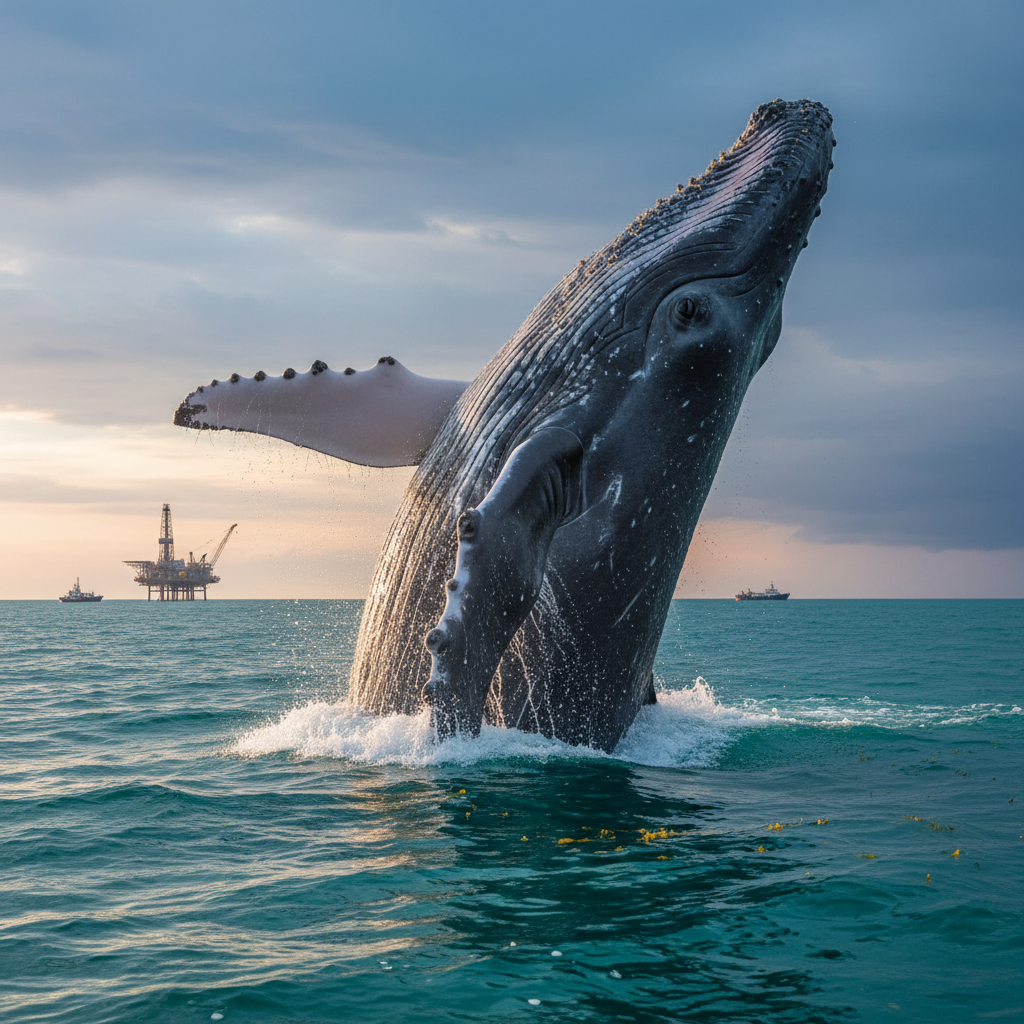
Key Takeaways
- The US government has removed legal protections for the critically endangered Rice's whale.
- The Rice's whale is one of the world's rarest, found only in the Gulf of Mexico with under 50 individuals.
- This decision significantly increases the species' vulnerability to industrial activities, shipping, and pollution.
- The move has sparked alarm among conservationists, highlighting a concerning rollback of environmental safeguards.
- It underscores the ongoing tension between economic development and the urgent need for species preservation.
In a concerning move for marine conservation, the United States government has rescinded vital legal protections for the Rice's whale, a species so rare it was only officially recognized in 2021. This decision directly imperils one of the planet's most unique marine mammals, highlighting a worrying trend in environmental policy that GreenNest Living readers need to understand now.
TL;DR: Key Facts
- The US government has officially removed legal protections for the Rice's whale.
- The Rice's whale is an extremely rare baleen whale, critically endangered and found exclusively in the Gulf of Mexico.
- This decision reverses previous conservation efforts aimed at safeguarding the species.
- The whale now faces heightened risks from industrial activities, shipping, and noise pollution in its habitat.
- Environmental groups and conservationists are expressing alarm over the potential long-term impacts on the species' survival.
What Happened
The US government has taken the controversial step of removing critical legal protections for the Rice's whale, a decision first reported by The Animal Reader. This baleen whale, a unique inhabitant of the Gulf of Mexico, is one of the world's most endangered and rarest marine mammals, with an estimated population of fewer than 50 individuals. Its existence was only formally recognized as a distinct species in 2021, underscoring its unique biological significance and extreme vulnerability.
The removal of these protections means that the species is now more exposed to the myriad threats inherent in its Gulf habitat. These include intensified risks from oil and gas exploration and drilling, increased vessel traffic and potential ship strikes, and the pervasive effects of underwater noise pollution. Such activities have long been recognized as significant contributors to marine wildlife decline, and without specific legal safeguards, the Rice's whale's precarious survival is now under even greater pressure.
Why It Matters
This isn't merely an administrative change; it's a profound setback for biodiversity and marine conservation, sending a troubling signal about environmental priorities. The Rice's whale is an apex predator and an indicator species for the health of the Gulf of Mexico ecosystem. Its continued survival is intertwined with the well-being of countless other marine organisms and, by extension, the human communities that depend on this vital ocean region. Undermining its protection suggests a short-sighted approach that prioritizes immediate economic gains over long-term ecological stability and species preservation.
The decision also sets a dangerous precedent. When protections are stripped from a critically endangered species – especially one as rare and geographically confined as the Rice's whale – it sends a chilling message that conservation efforts can be easily dismantled. For readers of GreenNest Living, this action should serve as a stark reminder of the constant vigilance required to safeguard our planet's most vulnerable inhabitants. It underscores the ongoing tension between industrial development and ecological responsibility, and the critical importance of robust environmental policies based on scientific evidence, not political expediency. Losing such a unique species would be an irreplaceable loss not just for the Gulf, but for global biodiversity.
What You Can Do
As conscious citizens and advocates for sustainable living, your actions can make a difference:
- Support Marine Conservation Groups: Donate to or volunteer with organizations dedicated to marine wildlife protection and research in the Gulf of Mexico.
- Advocate for Stronger Policies: Contact your elected officials to express your concern about the removal of protections for endangered species and advocate for robust environmental legislation.
- Reduce Your Carbon Footprint: Climate change impacts ocean health, including whale habitats. Reduce energy consumption, support renewable energy, and choose sustainable transportation.
- Be a Responsible Tourist: If visiting coastal areas, choose eco-tourism operators, respect marine life, and never litter.
- Spread Awareness: Educate your friends, family, and social networks about the plight of the Rice's whale and the importance of marine conservation.
- Support Sustainable Seafood: Opt for sustainably sourced seafood certified by organizations like the Marine Stewardship Council to reduce pressure on marine ecosystems and minimize bycatch.
FAQs
Q: What is the Rice's whale?
A: The Rice's whale (Balaenoptera ricei), also known as the Gulf of Mexico whale, is a critically endangered baleen whale species found exclusively in the Gulf of Mexico. It was only formally recognized as a distinct species in 2021 and has an estimated population of fewer than 50 individuals.
Q: Why were its protections removed?
A: While the specific justification from the government isn't detailed in the source, such decisions often stem from pressures to prioritize industrial activities like oil and gas exploration, shipping, or fishing over environmental safeguards. The removal of protections effectively eases restrictions on these industries in the whale's critical habitat.
Q: What are the main threats to the Rice's whale now?
A: Without legal protections, the Rice's whale faces increased threats from ship strikes, entanglement in fishing gear, and habitat degradation due to oil and gas exploration, seismic surveys, and underwater noise pollution from human activities.
Sources
This article is based on reporting by The Animal Reader.
Original source
The Animal Reader
Author, Digital Entrepreneur & AI Creator
More from Wildlife & Nature News
- The Silent Drain: Sand Scarcity Threatens Global Ecosystems — May 13, 2026
- Celestial Glimpse: Earth's Glow, Our Lost Night Skies — May 11, 2026
- Google's UK Datacentre Emissions Understated by Factor of Five — May 10, 2026
- Cosmic Beacon: Earth's Glow Inspires Global Stewardship — May 9, 2026
- Amazon Tipping Point: Deforestation, Warming Threaten Rainforest by 2040s — May 8, 2026