Warming Waters: Climate Crisis Slows Whale Births
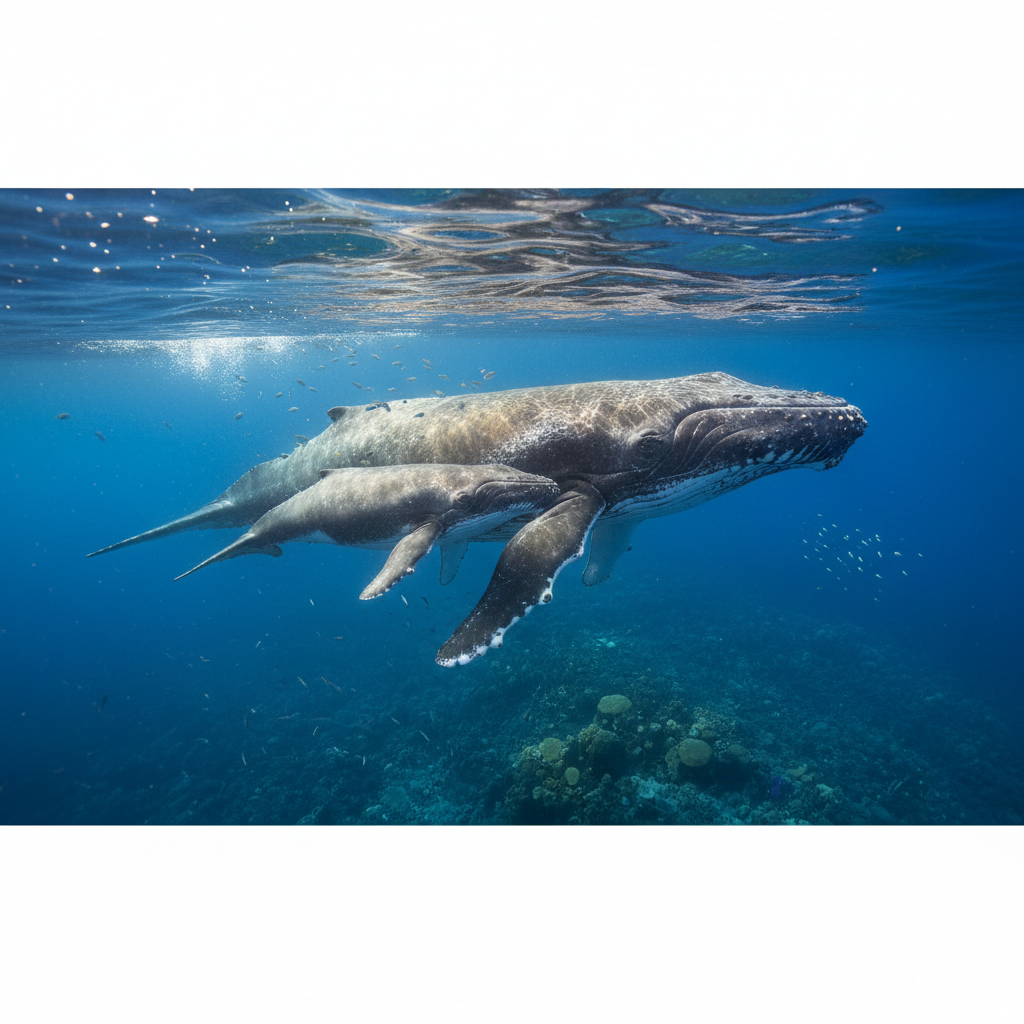
Key Takeaways
- Southern right whale birth rates are declining off Australia.
- A 33-year study links this decline to warming waters and shrinking sea ice.
- Climate change impacts krill availability, reducing whale health and reproductive success.
- The findings highlight a direct, measurable consequence of climate change on marine ecosystems.
- This situation serves as a critical indicator for broader ocean health and biodiversity.
Warming Waters: Climate Crisis Slows Whale Births
The majestic southern right whale, a symbol of ocean health, is facing a silent crisis that resonates far beyond its feeding grounds. A groundbreaking 33-year study has delivered a stark warning: climate change is now directly impacting the reproductive success of these magnificent creatures, demonstrating yet another profound way our warming planet is reshaping life in our oceans.
This isn't just a concern for conservationists; it's a critical indicator for the entire marine ecosystem, signaling widespread distress caused by shifting environmental conditions. Understanding this dynamic is crucial for anyone committed to sustainable living and preserving the natural world.
TL;DR: Key Facts
- Southern right whale (Eubalaena australis) birth rates off Australia's southern coast are declining.
- A 33-year study links this slowdown directly to warming water and shrinking sea ice in the Southern Ocean.
- The altered ocean conditions reduce the availability of krill, the whales' primary food source.
- Reduced food intake means whales are less healthy, impacting their ability to calve regularly.
- The research involved institutions from Australia, South Africa, and the U.S., providing a robust scientific foundation.
What Happened
For over three decades, researchers have meticulously tracked the southern right whale population that frequents Australia's southern waters. This long-term monitoring, spanning 33 years, revealed a concerning trend: female whales are giving birth less frequently than in previous years. Their calving intervals, the time between successive births, have demonstrably lengthened, directly leading to a reduction in the overall birth rate for the species.
The study, a collaborative effort by scientists from Australian, South African, and U.S. institutions, meticulously investigated potential environmental factors contributing to this decline. Their findings pointed unequivocally to the profound impact of climate change. Specifically, they identified a strong correlation between rising ocean temperatures and diminished sea ice in the Southern Ocean and the whales' reduced reproductive success.
The mechanism behind this ecological shift is rooted in the marine food web. The shrinking sea ice and warming waters directly affect the abundance and distribution of krill, the small, shrimp-like crustaceans that form the cornerstone of the southern right whale's diet. With less krill available, whales struggle to accumulate the necessary blubber reserves and energy required for successful reproduction, leading to longer gaps between calves and a healthier population overall.
Why It Matters
For wildlife and nature news, this study is a critical alarm bell. Southern right whales are not just charismatic megafauna; they are indicators of broader ecosystem health. Their reduced birth rates due to climate change signify a cascading effect through the food web, from the smallest krill to these massive marine mammals. It underscores the fragility of polar and sub-polar ecosystems, which are experiencing the most rapid changes due to global warming. When a top predator like the southern right whale struggles to reproduce, it signals fundamental disruptions in the oceanic environment that support countless other species.
This research provides undeniable scientific evidence of how human-induced climate change is directly impacting biodiversity on a grand scale. It's not just about future predictions; it's about observable, measurable changes happening right now. The implications extend beyond whale conservation, offering a stark reminder that the health of our planet's oceans is intrinsically linked to our own well-being. A compromised ocean ecosystem affects everything from global climate regulation to food security, making this a pivotal piece of information for anyone interested in environmental stewardship and sustainable living.
GreenNest Living readers understand that true sustainability requires a holistic view. The plight of the southern right whale illustrates that our consumption patterns and energy choices on land have profound, far-reaching consequences for marine life. This study reinforces the urgency of transitioning to greener practices and advocating for policies that mitigate climate change, ensuring a healthy planet for all its inhabitants.
What You Can Do
The challenges facing southern right whales and other marine life due to climate change can feel overwhelming, but individual and collective actions can make a difference:
- Reduce Your Carbon Footprint: Opt for renewable energy, use public transport or cycle, reduce air travel, and conserve energy at home. Every kilowatt-hour saved reduces greenhouse gas emissions.
- Support Ocean Conservation: Donate to or volunteer with organizations dedicated to marine research, whale conservation, and climate action. Groups working on the ground often have the most direct impact.
- Advocate for Policy Change: Contact your elected officials to express your concern about climate change and advocate for stronger environmental policies, renewable energy investments, and international climate agreements.
- Make Sustainable Seafood Choices: Consult guides like the Monterey Bay Aquarium Seafood Watch to choose seafood that is fished or farmed in ways that don't harm ocean ecosystems or contribute to overfishing.
- Educate Others: Share this news and the importance of climate action with your friends, family, and community. Awareness is the first step towards collective change.
- Minimize Plastic Use: While not directly tied to whale reproduction in this study, plastic pollution is a major threat to marine life. Reduce single-use plastics and support efforts to clean up our oceans.
FAQs
Q: What are southern right whales?
A: Southern right whales (Eubalaena australis) are large baleen whales found in the Southern Hemisphere. Known for their distinctive V-shaped blowholes and callosities (rough patches of skin often covered in whale lice), they were heavily hunted during the whaling era but are now protected, though still endangered.
Q: How does warming water specifically affect whales' reproduction?
A: Warming ocean waters and reduced sea ice directly impact the abundance and distribution of krill, the primary food source for southern right whales. With less krill, whales struggle to gain enough weight and energy reserves, which are crucial for pregnancy and nursing. This leads to longer periods between births and fewer calves overall.
Q: Is this problem unique to southern right whales?
A: While this study focused on southern right whales, the underlying issue – climate change disrupting marine food webs and habitats – is likely affecting many other marine species globally. Changes in ocean temperature, acidity, and sea ice profoundly impact phytoplankton, krill, fish, and ultimately, all species dependent on them for survival, including other whale species, seals, and seabirds.
Sources
This article is based on reporting by Mongabay.
Original source
Mongabay
Author, Digital Entrepreneur & AI Creator
More from Wildlife & Nature News
- The Silent Drain: Sand Scarcity Threatens Global Ecosystems — May 13, 2026
- Celestial Glimpse: Earth's Glow, Our Lost Night Skies — May 11, 2026
- Google's UK Datacentre Emissions Understated by Factor of Five — May 10, 2026
- Cosmic Beacon: Earth's Glow Inspires Global Stewardship — May 9, 2026
- Amazon Tipping Point: Deforestation, Warming Threaten Rainforest by 2040s — May 8, 2026