Winter's White Blanket: NASA Satellites Reveal US Deep Freeze
Key Takeaways
- Extensive snow cover observed across the U.S. Interior and East by NASA satellites.
- The widespread freeze is a direct result of a powerful recent winter storm.
- Satellite data provides critical, objective insights into the storm's scale.
- The extreme cold significantly impacts wildlife survival and foraging abilities.
- Such events stress ecosystems, affecting plant life and aquatic environments.
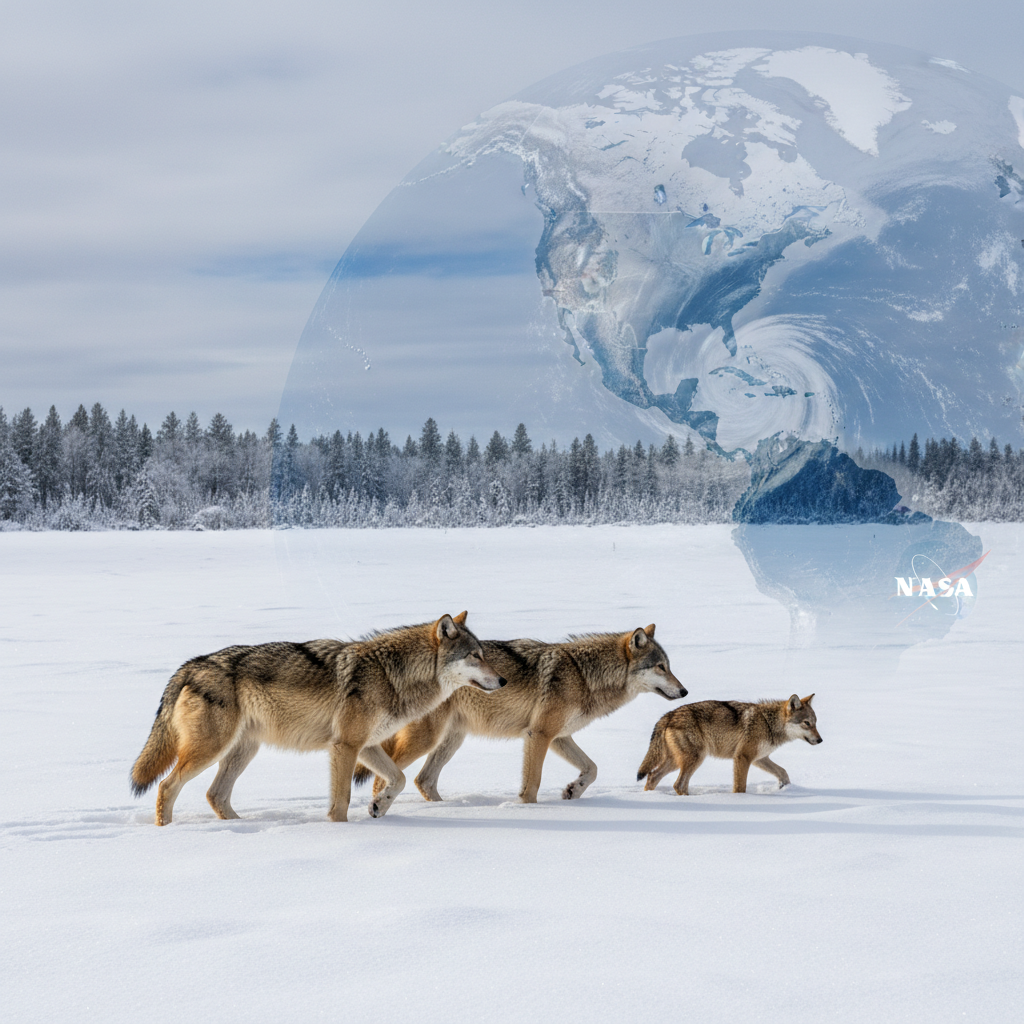
As winter tightens its grip, recent satellite observations from NASA reveal a truly breathtaking sight: a vast, frozen expanse blanketing much of the U.S. Interior and East. This isn't just a picturesque scene; it's a stark reminder of nature's power and its profound impact on wildlife, natural habitats, and our communities right now.
TL;DR: Key Facts
- NASA satellites observed extensive snow cover across the U.S. Interior and East.
- The frozen landscape is a direct result of a massive recent winter storm.
- Such widespread cold impacts ecosystems, infrastructure, and human activity.
- Satellite data provides critical insights into the scale and reach of winter weather events.
What Happened
Following a powerful winter storm that swept across the nation, NASA's advanced satellite technology has captured stunning and comprehensive images depicting a largely frozen and snow-covered landscape across significant portions of the United States. These observations confirm the widespread reach and intensity of the recent weather event, which brought heavy snowfall and frigid temperatures to the U.S. Interior and East. The precision of satellite monitoring allows for an unprecedented view of the earth's surface, detailing not just the presence of snow but also its depth and extent across diverse topographies.
The detailed satellite imagery provides scientists and environmental observers with a crucial, objective overview of the affected regions. From the expansive farmlands of the Midwest to the mountainous terrains of the East and the populous corridors, the white blanket of snow signifies a profound and immediate transformation of the natural environment. This data is invaluable not only for public awareness but also for emergency services, transportation planning, and for understanding the hydrological cycle. It marks one of the season's most impactful meteorological occurrences, showcasing how large-scale weather phenomena can reshape landscapes within a short period, underscoring the dynamic nature of our planet's climate systems.
Why It Matters
For readers of GreenNest Living, this widespread freeze isn't just a transient weather report; it's a critical environmental update with far-reaching implications for our planet's delicate balance. The sudden and extensive snow cover fundamentally alters the natural landscape, directly affecting wildlife behavior, survival strategies, and the overall health of ecosystems. Animals accustomed to foraging might find their vital food sources — berries, seeds, and smaller prey — buried deep under impassable layers of snow, leading to increased competition, forced migration to less hospitable areas, or even starvation for less resilient species. Furthermore, smaller animals and insects, crucial links in the food chain, can be particularly vulnerable to prolonged extreme cold.
Beyond immediate wildlife survival, these severe winter conditions also exert significant pressure on plant life and aquatic ecosystems. Heavy snow loads can cause extensive damage to trees, snapping branches and even felling entire specimens, which in turn impacts forest health and canopy structure. Prolonged ice cover on lakes and rivers significantly reduces the amount of oxygen available to aquatic organisms, threatening fish populations and other underwater life. This phenomenon, known as winterkill, can decimate local populations and disrupt the entire aquatic food web. From a broader perspective, such extreme and widespread weather events serve as powerful indicators of current climate patterns and potential shifts. Understanding their scale through precise satellite data allows us to better assess how our natural world is responding and adapting, or struggling to adapt, to increasingly unpredictable climatic conditions. It underscores the profound interconnectedness of weather, wildlife, and human well-being, urging us to consider our collective role in fostering resilient ecosystems in a changing world.
What You Can Do
- Support Local Wildlife: Leave out bird feeders with high-fat seeds (like black oil sunflower) and ensure a source of unfrozen water if safe. Avoid disturbing hibernating animals.
- Conserve Energy: Reduce your home's energy consumption during cold snaps to ease demand on power grids and lower your carbon footprint.
- Protect Outdoor Plants: Cover sensitive outdoor plants with burlap or frost cloths, or bring potted plants indoors to protect them from extreme cold.
- Be Prepared for Emergencies: Have an emergency kit ready, including blankets, non-perishable food, and a battery-powered radio, in case of power outages or travel disruptions.
- Advocate for Climate Action: Support policies and organizations working on climate resilience and sustainable practices to mitigate the long-term impacts of extreme weather.
FAQs
Q: How do satellites observe snow cover?
A: Satellites use various sensors, including optical and microwave instruments, to detect and measure snow cover, depth, and even water content, by analyzing how light and radiation are reflected or emitted from Earth's surface.
Q: Can severe snow impact ecosystems long-term?
A: Yes, prolonged or unusually heavy snow and cold can lead to long-term impacts, such as altered vegetation growth, changes in animal migration patterns, or stress on certain populations, potentially affecting biodiversity and ecosystem health.
Q: Is this type of storm normal for winter?
A: While winter storms are a natural part of the season, the frequency, intensity, and geographical reach of specific events can vary significantly. Satellite data helps scientists track these patterns and assess whether they align with historical norms or indicate shifts.
Sources
This article is based on reporting by NASA Breaking News.
Original source
NASA Breaking News
Author, Digital Entrepreneur & AI Creator
More from Wildlife & Nature News
- The Silent Drain: Sand Scarcity Threatens Global Ecosystems — May 13, 2026
- Celestial Glimpse: Earth's Glow, Our Lost Night Skies — May 11, 2026
- Google's UK Datacentre Emissions Understated by Factor of Five — May 10, 2026
- Cosmic Beacon: Earth's Glow Inspires Global Stewardship — May 9, 2026
- Amazon Tipping Point: Deforestation, Warming Threaten Rainforest by 2040s — May 8, 2026