Advanced Conductors: Unlocking Our Grid's Green Future
Key Takeaways
- Global electricity demand is surging, stressing outdated transmission grids.
- Building new transmission lines is a slow, costly, and difficult process.
- Advanced conductors upgrade existing power lines to carry significantly more power.
- This technology 'unlocks hidden capacity' within current infrastructure, avoiding new construction.
- Grid modernization with advanced conductors is crucial for integrating renewables and supporting electrification.
The backbone of our modern life, the electricity grid, is facing unprecedented strain. As we electrify transportation, heating, and industry, alongside the exponential growth of data centers, the demand for power is skyrocketing. This critical news reveals how innovative "green tech" — advanced conductors — is emerging as a practical, scalable solution to modernize our aging transmission infrastructure, without the costly and time-consuming process of building entirely new lines.
Understanding this development is crucial for anyone invested in a sustainable future, as it directly impacts the speed and efficiency of our transition to a fully electrified, renewable energy system.
TL;DR: Key Facts
- Electricity demand is rapidly increasing due to electrification of transport, heating, and industry, plus data center growth.
- Existing transmission grids are decades old and struggling to meet new demand.
- Building new transmission lines is extremely difficult, costly, and time-consuming.
- Advanced conductors offer a solution to upgrade existing lines, significantly increasing their capacity.
- This technology 'unlocks hidden capacity' within the current infrastructure, accelerating grid modernization.
What Happened
Our global society is on a rapid trajectory towards electrification. From electric vehicles replacing gasoline cars to heat pumps displacing fossil fuel furnaces, and industry adopting electric processes, the need for electricity is growing exponentially. Simultaneously, the digital economy's insatiable appetite for data centers adds further significant load to the grid. This surging demand is putting immense pressure on an electricity transmission network that was largely constructed over many decades and was not designed for today's distributed renewable energy sources or widespread electrification.
The traditional solution to increased demand would be to build more transmission lines. However, constructing new transmission infrastructure is an increasingly difficult endeavor. It faces significant challenges including lengthy permitting processes, community opposition, environmental impact assessments, and substantial capital investment, often delaying projects by years or even decades. This bottleneck threatens to slow down the entire energy transition and hinder efforts to decarbonize various sectors.
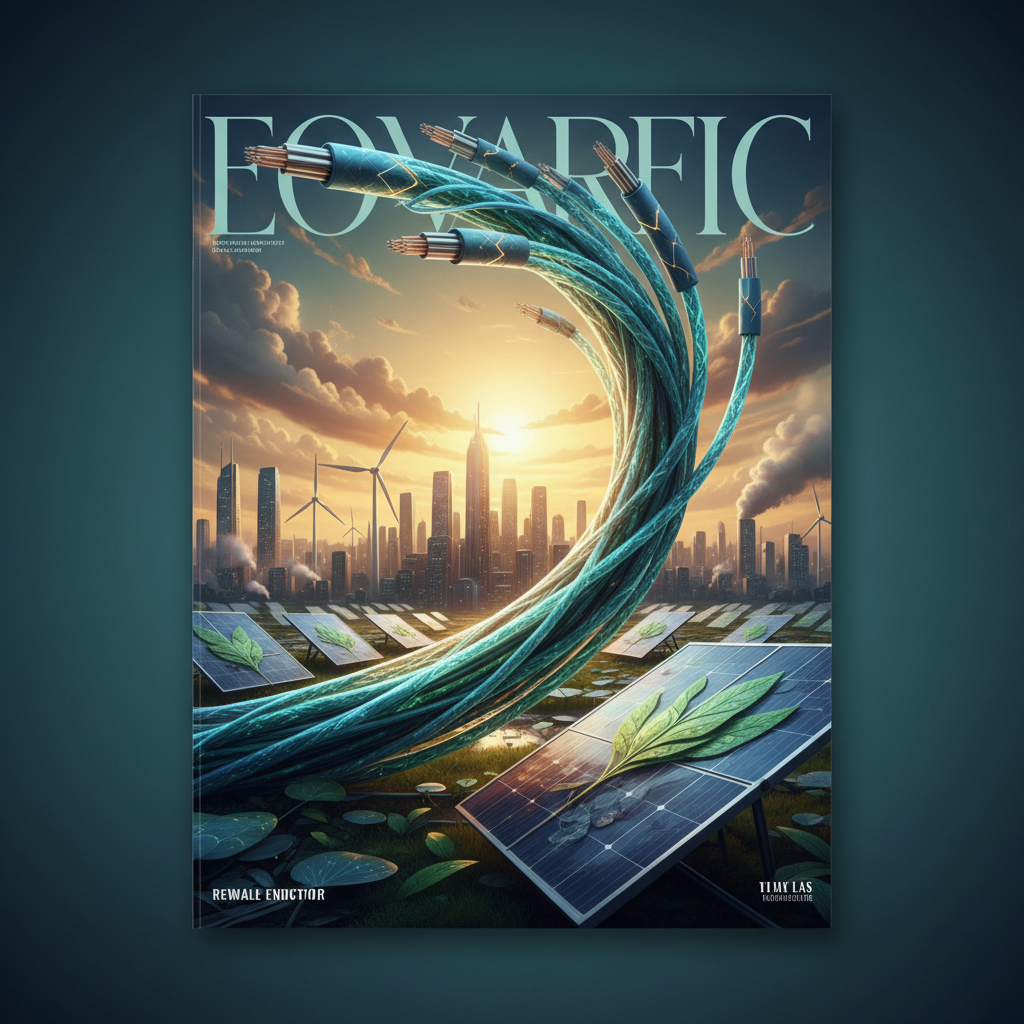
This is where advanced conductors come in. These innovative materials and designs allow existing power lines to carry significantly more electricity without requiring the construction of entirely new corridors or towers. By replacing traditional conductors with these advanced alternatives, utilities can effectively 'unlock' substantial hidden capacity within their current infrastructure. This technological upgrade provides a more efficient, cost-effective, and faster pathway to bolstering grid strength and meeting escalating energy demands.
Why It Matters
This development is a game-changer for "Green Tech" and the broader sustainable living movement. The ability to increase grid capacity without sprawling new infrastructure directly addresses one of the most significant hurdles to integrating more renewable energy. Solar and wind farms are often built in remote locations, far from major consumption centers. Without robust transmission to bring that clean power to cities and industries, their potential is severely limited. Advanced conductors mean more renewable energy can flow through existing pathways, accelerating our shift away from fossil fuels.
Furthermore, an enhanced grid is fundamental for the widespread adoption of electric vehicles. As more EVs hit the roads, the demand on local and regional grids for charging will intensify. A grid fortified with advanced conductors can better handle these increased loads, preventing blackouts and ensuring reliable charging infrastructure. This technology also supports the electrification of industrial processes and home heating, crucial steps in decarbonizing these hard-to-abate sectors. It's about creating a resilient, flexible grid that can support a fully electrified, sustainable future.
Beyond environmental benefits, the economic implications are substantial. Upgrading existing lines with advanced conductors is generally far less expensive and quicker than constructing entirely new transmission corridors. This means utilities can modernize faster, pass on fewer costs to consumers, and avoid lengthy legal battles over new rights-of-way. It represents a pragmatic, powerful lever in our collective efforts to achieve energy independence, reduce carbon emissions, and build a more reliable, future-proof energy system.
What You Can Do
- Educate Yourself: Learn more about your local grid's modernization plans and the role advanced conductors could play.
- Advocate for Smart Grid Investments: Support policies and utility initiatives that prioritize cost-effective grid upgrades and advanced technologies.
- Promote Energy Efficiency: While the grid gets stronger, continue to reduce your personal energy consumption through efficiency measures at home and work.
- Engage with Local Utility Plans: Stay informed about proposed utility projects in your area and voice support for sustainable, innovative solutions.
- Support Renewable Energy: Choose renewable energy options where available, as a stronger grid directly facilitates their integration.
- Consider Electrification: As your grid strengthens, explore electrifying your home heating, cooling, and transportation options.
FAQs
Q: What exactly are advanced conductors?
A: Advanced conductors are new types of overhead power lines made from materials like composite cores or aluminum alloys, designed to carry significantly more electricity at a higher temperature than traditional steel-reinforced aluminum conductors (ACSR), without sagging excessively or requiring larger towers.
Q: How do advanced conductors increase grid capacity without building new lines?
A: They achieve this by having higher current carrying capabilities, meaning they can transport more electrons per unit of time than older wires. They also often have lighter weight and lower thermal expansion, reducing sag and allowing them to be installed on existing transmission towers, effectively maximizing the use of current infrastructure.
Q: Are advanced conductors safe and reliable?
A: Yes, advanced conductors undergo rigorous testing and are designed to meet or exceed industry safety and reliability standards. They are engineered for long operational lifetimes and are a proven technology being deployed by utilities globally to enhance grid performance and resilience.
Sources
This article is based on reporting by CleanTechnica.
Original source
CleanTechnica
Author, Digital Entrepreneur & AI Creator
More from Green Tech
- UK Electric Buses Transform into Grid Powerhouses with V2G — May 13, 2026
- Ocean-Powered AI: Panthalassa's Bold Vision for Sustainable Compute — May 12, 2026
- Winnipeg Powers Up: 250 EV Chargers Accelerate Sustainable Living — May 11, 2026
- Philippines' Wind Power Dream Hinges on Port Infrastructure — May 10, 2026
- Aviation's Carbon Blind Spot: Ryanair's Soaring Emissions Exposed — May 9, 2026