Air Fryers: A Breath of Fresh Air for Your Kitchen's Health?
Key Takeaways
- Air frying high-fat foods reduces VOCs and airborne particles.
- This reduction is notable compared to deep-fat frying methods.
- Healthier indoor air environment results from lower emissions.
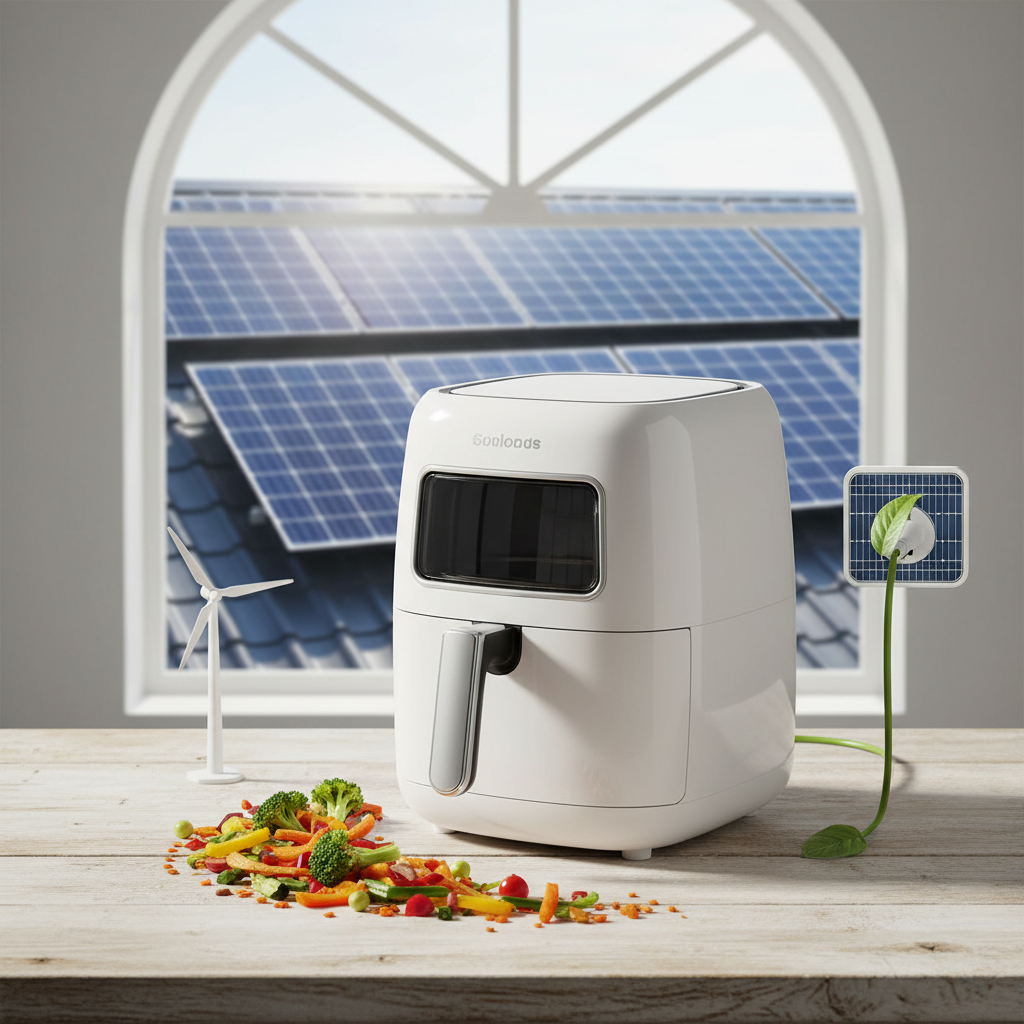
- The finding positions air fryers as a Green Tech appliance for homes.
- Consumers can make healthier choices for their home environment.
In our increasingly health-conscious world, the focus is often on what we eat. But what about the air we breathe, especially right in our own homes? Recent scientific findings are shedding light on a surprising household appliance – the humble air fryer – suggesting it might be quietly contributing to healthier indoor air quality, particularly when preparing certain foods. This insight arrives at a critical time when understanding the environmental impact of our daily choices is more important than ever.
TL;DR: Key Facts
- Air frying high-fat foods significantly reduces the emission of volatile organic compounds (VOCs) and other airborne particulate matter.
- This reduction is observed when compared directly to traditional deep-fat frying methods.
- The positive impact on indoor air quality is primarily noted for foods rich in fats, such as bacon.
- By limiting these harmful emissions, air fryers can contribute to a healthier home environment.
- This offers a tangible, 'green tech' advantage for everyday cooking practices.
What Happened
Scientists have recently uncovered a compelling benefit of air fryers beyond just healthier eating: their potential to improve indoor air quality. The study focused on the comparison between air frying and deep-fat frying, specifically when preparing high-fat foods like bacon. The findings indicate that air frying these types of foods produces considerably fewer volatile organic compounds (VOCs) and other fine airborne particles that can be detrimental to human health and overall indoor air quality.
Volatile organic compounds are gases emitted from certain solids or liquids, and they can include a variety of chemicals, some of which may have short- and long-term adverse health effects. Similarly, airborne particulate matter, often generated during cooking, can penetrate deep into the lungs and even enter the bloodstream. Traditional deep-fat frying, with its high temperatures and oil degradation, is known to be a significant contributor to these indoor pollutants. The research highlights that by utilizing circulating hot air rather than immersing food in hot oil, air fryers mitigate the chemical reactions that typically lead to the formation and release of these harmful airborne substances, especially for fat-rich ingredients.
Why It Matters
This research is more than just a culinary tidbit; it's a significant development in the realm of Green Tech and sustainable living. Indoor air quality is an often-overlooked aspect of home health and environmental impact. We spend up to 90% of our time indoors, and the air we breathe in our homes can be two to five times more polluted than outdoor air. Cooking, particularly with traditional methods that involve high heat and fats, is a major contributor to this indoor pollution, releasing everything from VOCs to ultrafine particles that can exacerbate respiratory issues and impact long-term health. The air fryer, in this context, emerges as a piece of 'green tech' not just for its energy efficiency (though that’s another benefit), but for its role in passively cleaning our home environments during a common daily activity.
For GreenNest Living readers, this isn't just about choosing a different appliance; it's about making informed decisions that contribute to a healthier planet, starting with our own living spaces. The air fryer, by demonstrably reducing harmful cooking emissions, aligns perfectly with the ethos of sustainable households. It shows how technology can offer simple, practical solutions to complex environmental challenges, transforming an everyday chore into an opportunity for environmental stewardship. This underscores the broader movement towards smart, eco-conscious appliances that don't just perform a task but enhance our well-being and reduce our ecological footprint.
Furthermore, this finding encourages a re-evaluation of our cooking habits. While air fryers have been lauded for their ability to make 'fried' foods healthier by reducing oil, their newly recognized potential to improve indoor air quality adds another compelling layer to their appeal. It highlights how consumer electronics, often viewed through a lens of convenience, can also be powerful tools in creating more sustainable and healthier homes, truly embodying the spirit of Green Tech by making environmental benefits accessible and actionable in daily life.
What You Can Do
- Prioritize Air Frying for Fatty Foods: When preparing high-fat items like bacon, sausages, or certain cuts of meat, opt for your air fryer over deep-fat frying to significantly reduce airborne pollutants.
- Ensure Adequate Ventilation: Regardless of your cooking method, always use your kitchen's extractor fan or open windows to ensure good airflow and minimize the buildup of cooking-related particles and gases.
- Clean Appliances Regularly: Keep your air fryer, oven, and stovetop clean. Accumulated grease and food residues can burn and release additional pollutants during cooking.
- Consider Other Clean Cooking Methods: Explore steaming, boiling, or baking as alternatives for foods that don't require crisping, as these methods generally produce fewer emissions than frying.
- Invest in Smart Appliances: When purchasing new kitchen gadgets, consider not just their functionality but also their environmental impact, including energy efficiency and emission reduction capabilities.
- Monitor Indoor Air Quality: For a comprehensive approach, consider using an indoor air quality monitor to understand the air in your home and identify potential areas for improvement.
FAQs
Q: Does air frying improve air quality for all types of food?
A: The research specifically highlighted a significant reduction in VOCs and airborne particles when air frying high-fat foods, such as bacon, compared to deep-fat frying. While it generally produces fewer emissions than traditional frying, the most pronounced benefits are for fatty items.
Q: Are air fryers completely emission-free?
A: No appliance is entirely emission-free, and all cooking methods generate some level of airborne particles. However, air fryers, especially for high-fat foods, have been shown to produce significantly fewer harmful compounds compared to deep-fat frying, making them a 'greener' option in that specific comparison.
Q: What exactly are VOCs and why are they a concern?
A: VOCs, or Volatile Organic Compounds, are organic chemicals that have a high vapor pressure at ordinary room temperature. Many VOCs are harmful to human health, contributing to indoor air pollution, and can cause symptoms ranging from headaches and nausea to more serious long-term health issues, including respiratory problems and organ damage.
Sources
This article is based on reporting by Euronews Green.
Original source
Euronews Green
Author, Digital Entrepreneur & AI Creator
More from Green Tech
- UK Electric Buses Transform into Grid Powerhouses with V2G — May 13, 2026
- Ocean-Powered AI: Panthalassa's Bold Vision for Sustainable Compute — May 12, 2026
- Winnipeg Powers Up: 250 EV Chargers Accelerate Sustainable Living — May 11, 2026
- Philippines' Wind Power Dream Hinges on Port Infrastructure — May 10, 2026
- Aviation's Carbon Blind Spot: Ryanair's Soaring Emissions Exposed — May 9, 2026