China's EV Tsunami: Redefining Sustainable Transportation
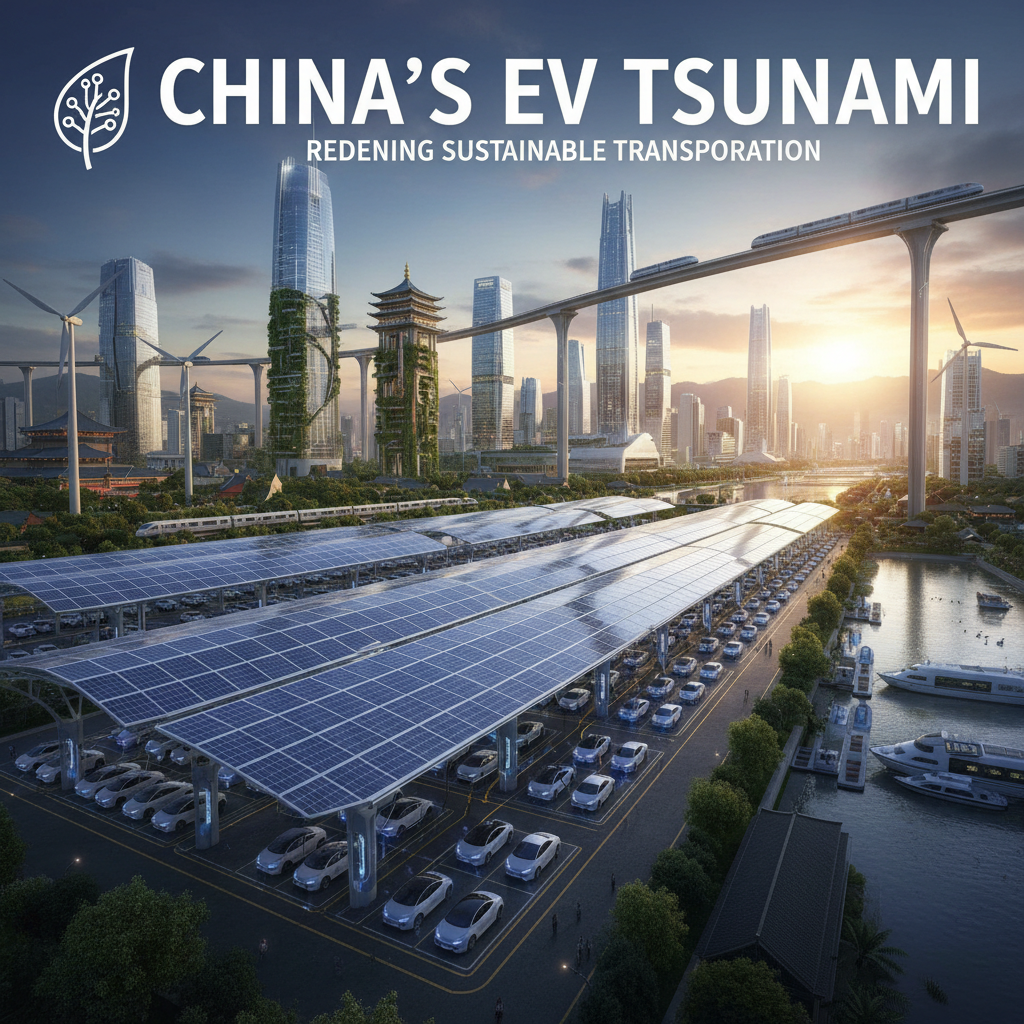
Key Takeaways
- China's plugin vehicle sales reached a record 59% market share in December, with BEVs at 35%, showcasing an unprecedented pace of EV adoption.
- This rapid growth is driven by strategic government incentives, intense domestic competition among EV manufacturers, and a robust charging infrastructure.
- China's EV success accelerates the global transition away from fossil fuels, compelling international automakers to innovate faster.
- The surge impacts global supply chains for batteries and critical minerals, emphasizing the need for sustainable practices and recycling.
- GreenNest readers can contribute by considering EVs, advocating for charging infrastructure, supporting green energy, and staying informed about sustainable transportation trends.
The Electric Revolution: China's Unstoppable Surge in EV Sales
Here at GreenNest Living, we’re always on the lookout for news that signals a real shift towards a more sustainable future. And if the latest figures out of China are anything to go by, the future is electric – and it's arriving at warp speed. According to recent reports highlighted by CleanTechnica, December was, once again, a record-breaking month for Electric Vehicle (EV) sales in the world’s largest automotive market. This isn't just good news; it's a testament to what's possible when innovation, policy, and consumer demand align.
The numbers are nothing short of astonishing. In December, plugin vehicles (which include both Battery Electric Vehicles and Plug-in Hybrid Electric Vehicles) accounted for a staggering 59% of the total Chinese car market. Battery Electric Vehicles (BEVs) alone made up 35% of all new car sales. We're talking about over 1.34 million plugin units sold in a single month. To put that into perspective, this represents a significant chunk of the global EV market, happening within one nation's borders. This isn't just incremental growth; it's an undeniable tsunami reshaping the entire automotive landscape and offering a powerful blueprint for sustainable transportation worldwide.
Decoding the Dynamo: Why China Leads the Charge
What fuels such an explosive growth trajectory? It’s a multifaceted story, rich with strategic government policies, fierce domestic competition, and an increasingly receptive consumer base. Understanding these drivers is key to appreciating the global implications of China's EV dominance.
- Government Vision and Support: Beijing has long identified EVs as a strategic industry, crucial for both environmental targets and industrial leadership. This vision has translated into substantial subsidies, tax breaks, and non-monetary incentives like easier license plate acquisition in crowded cities where internal combustion engine (ICE) cars face strict quotas. While some direct subsidies are phasing out, the long-term policy framework continues to foster EV adoption.
- Hyper-Competitive Domestic Market: Unlike many Western markets often dominated by a few legacy automakers, China's EV sector is a hotbed of innovation and competition. Brands like BYD, Nio, Xpeng, Li Auto, and Geely are not just building cars; they're creating sophisticated ecosystems with advanced battery technology, smart features, and comprehensive charging solutions. This intense rivalry pushes companies to innovate faster, improve quality, and offer competitive pricing, benefiting consumers directly.
- Robust Charging Infrastructure: You can't have an EV revolution without the charging infrastructure to support it. China has invested heavily in building out a vast and continually expanding network of public and private charging stations, including ultra-fast chargers. This alleviates range anxiety, a significant barrier to EV adoption in other regions.
- Consumer Acceptance and Technological Appeal: Chinese consumers, particularly younger demographics, are often early adopters of new technology. EVs, with their silent operation, instant torque, and increasingly advanced in-car tech, align perfectly with this preference. The perception of EVs as modern, clean, and desirable has cemented their place in the consumer psyche.
Global Implications: What China's EV Boom Means for the World
The scale of China’s EV market is too large to ignore; its impact resonates far beyond its borders. For anyone invested in green tech and sustainable living, these developments offer both inspiration and crucial lessons.
- Accelerating Global Transition: China's market success demonstrates the viability and desirability of EVs on a massive scale. This pressures traditional automakers globally to accelerate their EV development and production plans to remain competitive. It sets a benchmark that other nations will inevitably strive to meet, thereby accelerating the global transition away from fossil fuels.
- Supply Chain Dynamics: The immense demand for batteries and critical minerals in China has ripple effects across the global supply chain. It drives innovation in battery chemistry, pushes for more sustainable mining practices, and highlights the need for robust recycling infrastructure to create a true circular economy for EV components.
- Technological Leadership: Chinese companies are rapidly becoming leaders in EV battery technology, charging solutions, and smart vehicle integration. This creates a global competitive landscape that can ultimately benefit consumers worldwide through better, more efficient, and more affordable electric vehicles.
- Climate Impact: Every electric vehicle on the road reduces tailpipe emissions, contributing to cleaner urban air and a significant reduction in greenhouse gases, especially as electricity grids become greener. China's shift alone has a measurable impact on global carbon emissions, offering a glimmer of hope in the fight against climate change.
Your Role in the Electric Future: Practical Steps for GreenNest Readers
While most GreenNest Living readers may not be buying a Chinese-made EV (though many are entering international markets!), China's rapid transition holds vital lessons and actionable insights for us all. It's a powerful reminder that collective action, smart policy, and technological advancements can indeed drive monumental change.
Here’s how you can engage with and contribute to this accelerating electric future:
- Research and Consider an EV for Your Next Car: If you're in the market for a new vehicle, delve into the world of EVs. Explore the models available in your region, understand charging options (home and public), and assess the long-term cost savings. The more demand for EVs, the faster the transition.
- Advocate for Charging Infrastructure: Speak to your local government, community leaders, and even your workplace about expanding public and workplace charging facilities. A robust infrastructure is crucial for widespread adoption.
- Support Green Energy: Powering an EV with electricity from renewable sources maximizes its environmental benefits. Consider switching to a green energy provider or installing solar panels at home.
- Stay Informed and Share Knowledge: Follow developments in green tech and sustainable transportation. Share accurate information with friends and family to help demystify EVs and encourage informed choices.
- Embrace the Circular Economy: As EV battery technology advances, so does the need for responsible recycling and reuse. Support companies and initiatives that prioritize a circular approach to critical minerals and battery components.
China's record-breaking EV sales aren't just a statistical anomaly; they are a clear indicator of a global paradigm shift. It’s a powerful narrative of ambition, innovation, and progress in the critical journey towards a truly sustainable planet. Let these numbers inspire us to accelerate our own journeys towards cleaner, greener living.
Original source
GreenNest Living Editorial
Author, Digital Entrepreneur & AI Creator
More from Green Tech
- UK Electric Buses Transform into Grid Powerhouses with V2G — May 13, 2026
- Ocean-Powered AI: Panthalassa's Bold Vision for Sustainable Compute — May 12, 2026
- Winnipeg Powers Up: 250 EV Chargers Accelerate Sustainable Living — May 11, 2026
- Philippines' Wind Power Dream Hinges on Port Infrastructure — May 10, 2026
- Aviation's Carbon Blind Spot: Ryanair's Soaring Emissions Exposed — May 9, 2026