EU's Hidden Powerhouse: Geothermal Could Slash Fossil Fuels
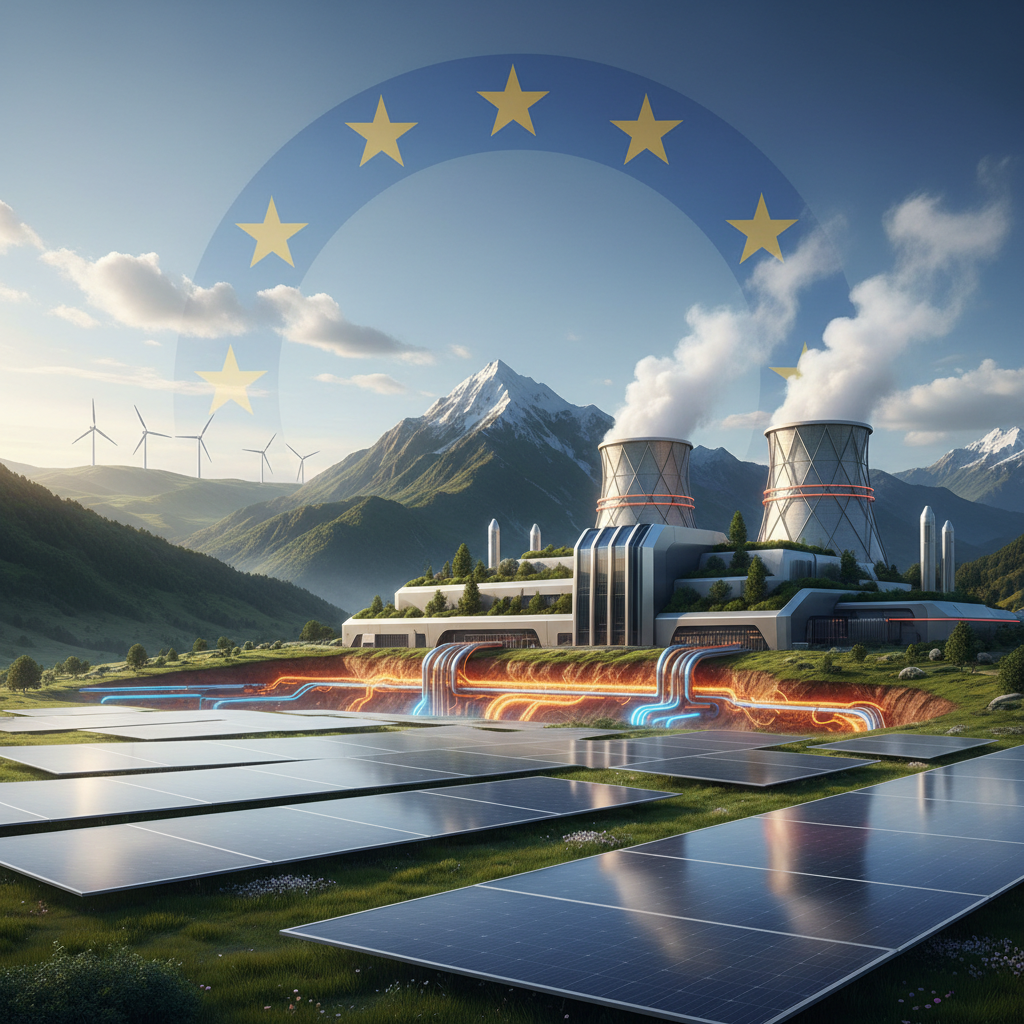
Key Takeaways
- Geothermal could replace 42% of EU's fossil electricity.
- Enhanced Geothermal Systems (EGS) make this possible in non-volcanic regions.
- EGS diversifies renewable energy sources beyond solar and wind.
- This technology offers constant, baseload power, improving grid stability.
- Significant potential for energy independence and climate goal achievement in the EU.
Climate change demands urgent action, and energy independence is a growing geopolitical imperative. A groundbreaking report suggests Europe might be sitting on a clean energy goldmine capable of dramatically reshaping its power landscape and reducing reliance on fossil fuels, right beneath its feet.
This revelation isn't just about a potential new energy source; it’s about a proven green technology becoming a mainstream solution, promising stability and sustainability for the European Union's future energy mix.
TL;DR: Key Facts
- Geothermal energy could replace 42% of the EU's fossil-fuel generated electricity.
- This potential is largely driven by Enhanced Geothermal Systems (EGS), viable even without volcanic activity.
- EGS technology significantly expands the geographic scope for geothermal deployment across the EU.
- Unlocking this potential would dramatically boost Europe's energy independence and accelerate climate targets.
- Specific EU nations hold greater geological potential, positioning them as future leaders in geothermal development.
What Happened
A significant analysis, prominently featured by Euronews Green, has unveiled the immense, largely untapped potential of geothermal energy within the European Union. The study posits that this sustainable power source could realistically substitute a staggering 42% of the electricity presently generated from fossil fuels across the 27-nation bloc. This represents not just a substantial reduction in carbon emissions but also a critical pathway towards greater energy autonomy for Europe, lessening its reliance on imported fossil fuels and bolstering its climate change commitments.
Crucially, the report underscores the pivotal role of Enhanced Geothermal Systems (EGS) in actualizing this ambitious target. Unlike conventional geothermal plants, which are restricted to areas with naturally occurring geysers, hot springs, or volcanic activity, EGS technology involves a more proactive approach. It entails drilling deep into the Earth's crust to reach hot, dry rock formations, then injecting water under pressure to create or enlarge subterranean fracture networks. This water absorbs the intense heat, is brought back to the surface, and its energy is converted into electricity. This technological breakthrough dramatically expands the geographical viability for geothermal deployment, making it a feasible option even for EU countries historically not associated with significant geothermal potential.
While the aggregate potential for the EU is remarkable, the analysis also details that this capacity is not uniformly distributed. It highlights that certain member states possess more favorable geological conditions, positioning them to become frontrunners in geothermal development. These nations could leverage their subterranean resources to achieve a disproportionately higher share of renewable energy, fostering regional leadership in Green Tech innovation and securing a stable, domestically sourced power supply for their citizens. The findings offer a compelling case for accelerating investment and policy support for geothermal projects across the continent.
Why It Matters
This revelation is a monumental milestone for "Green Tech" because it elevates geothermal energy from a relatively niche player to a core component of the future energy landscape. The advancement of Enhanced Geothermal Systems (EGS) is the true technological linchpin here, effectively democratizing access to Earth's immense heat reserves. It shifts the paradigm from passively seeking out natural geothermal anomalies to actively engineering systems that can harness this power almost anywhere. For GreenNest Living readers, this signifies a crucial expansion of the Green Tech toolkit, offering a reliable, baseload renewable energy source that complements and stabilizes the grid, a challenge often associated with intermittent sources like solar and wind. It's a testament to human ingenuity pushing the boundaries of what's possible in clean energy.
The implications for energy security and climate action are profound. A future where 42% of Europe's fossil fuel electricity is replaced by geothermal means a significantly reduced carbon footprint and a considerable decrease in reliance on politically volatile global energy markets. Geothermal energy provides a constant, 24/7 power supply, impervious to day-night cycles or weather patterns. This consistent output is invaluable for maintaining grid stability and ensuring a reliable power supply, making it an attractive investment for countries striving for both energy independence and ambitious decarbonization targets. This robust, continuous clean energy source helps accelerate the transition away from fossil fuels, contributing directly to global efforts to combat climate change.
Moreover, unlocking this geothermal potential necessitates substantial investment in advanced drilling technologies, sophisticated heat exchange systems, and innovative materials science—all booming sectors within the Green Tech industry. This creates new opportunities for economic growth, job creation, and scientific advancement. It also inspires further research and development into optimizing EGS, reducing costs, and mitigating any potential environmental impacts, such as induced seismicity. For our readers, this signifies that investing in green technologies like geothermal is not just an environmental imperative but a strategic economic one, paving the way for a resilient, sustainable, and technologically advanced future.
What You Can Do
- Educate Yourself: Dive deeper into how geothermal energy and Enhanced Geothermal Systems (EGS) work to understand their role in the energy transition.
- Advocate for Policy: Contact your elected officials to encourage policies that support research, development, and deployment of geothermal energy.
- Invest Responsibly: If you're an investor, explore opportunities in companies specializing in geothermal technology, infrastructure, and drilling services.
- Support Green Energy Providers: Choose an energy supplier that prioritizes or incorporates renewable energy sources, including geothermal, if available in your area.
- Spread Awareness: Share accurate and positive information about geothermal energy's benefits with your community to foster broader understanding and support.
FAQs
Q: What is Enhanced Geothermal Systems (EGS)?
A: EGS involves drilling deep into hot, dry rock formations where natural heat and water are insufficient. Water is then injected under high pressure to create or expand underground fracture networks. This water absorbs intense heat, is brought back to the surface, and its energy is converted into electricity, effectively creating an artificial geothermal reservoir. This significantly expands where geothermal energy can be harnessed, beyond areas with natural volcanic activity.
Q: Is geothermal energy truly carbon-free?
A: Geothermal energy has extremely low lifecycle greenhouse gas emissions compared to fossil fuels. While the power generation process itself releases minimal to no greenhouse gases (primarily steam), some emissions can occur during drilling and construction or from non-condensable gases present in geothermal fluids. However, modern plants often reinject these gases. Overall, its environmental footprint is dramatically smaller than conventional power sources, making it a critical component for decarbonization efforts.
Q: How does geothermal compare to other renewables like solar and wind?
A: Geothermal offers baseload power, meaning it operates continuously, 24/7, irrespective of weather or time of day, providing a stable and reliable energy supply. This contrasts with solar and wind, which are intermittent and require storage or backup. Geothermal's consistent output is crucial for grid stability. Additionally, geothermal plants typically require a smaller land footprint per megawatt of electricity generated compared to large-scale solar farms or wind installations, making them efficient in land use.
Sources
This article is based on reporting by Euronews Green.
Original source
Euronews Green
Author, Digital Entrepreneur & AI Creator
More from Green Tech
- UK Electric Buses Transform into Grid Powerhouses with V2G — May 13, 2026
- Ocean-Powered AI: Panthalassa's Bold Vision for Sustainable Compute — May 12, 2026
- Winnipeg Powers Up: 250 EV Chargers Accelerate Sustainable Living — May 11, 2026
- Philippines' Wind Power Dream Hinges on Port Infrastructure — May 10, 2026
- Aviation's Carbon Blind Spot: Ryanair's Soaring Emissions Exposed — May 9, 2026