FloWater: Tapping into a Plastic-Free Hydration Future
Key Takeaways
- FloWater provides purified water without needing single-use plastic bottles.
- It addresses the pervasive problem of microplastics in our environment and water supply.
- The technology offers a tangible step towards a plastic-free lifestyle.
- Access to clean water remains a global essential, now complicated by plastics.
- Solutions like FloWater represent an evolving green tech approach to everyday consumption.
OPENING PARAGRAPH
In a world grappling with both the pervasive crisis of plastic pollution and the fundamental need for clean, accessible drinking water, innovative solutions are more critical than ever. The alarming presence of microplastics in our environment and even within our bodies demands a radical shift in how we consume and hydrate. Green technologies like FloWater offer a beacon of hope, demonstrating how smart design can address these twin challenges head-on.
TL;DR: Key Facts
- FloWater provides highly purified drinking water through refill stations.
- It directly combats the reliance on single-use plastic bottles, a major source of plastic pollution.
- The technology addresses growing health concerns related to microplastics found in our water supply.
- FloWater aims to make clean, great-tasting water widely accessible without contributing to environmental degradation.
What Happened
Access to pure, clean water is a fundamental human need, yet it's becoming increasingly complex even in affluent regions. Beyond traditional contaminants, a new and insidious threat has emerged: microplastics. These tiny plastic particles, shed from larger plastic items, clothing, and packaging, are now ubiquitous, found in our soil, air, oceans, food, and alarmingly, our drinking water. This widespread contamination raises significant health and environmental concerns, pushing consumers and innovators to seek safer alternatives to conventional bottled water.
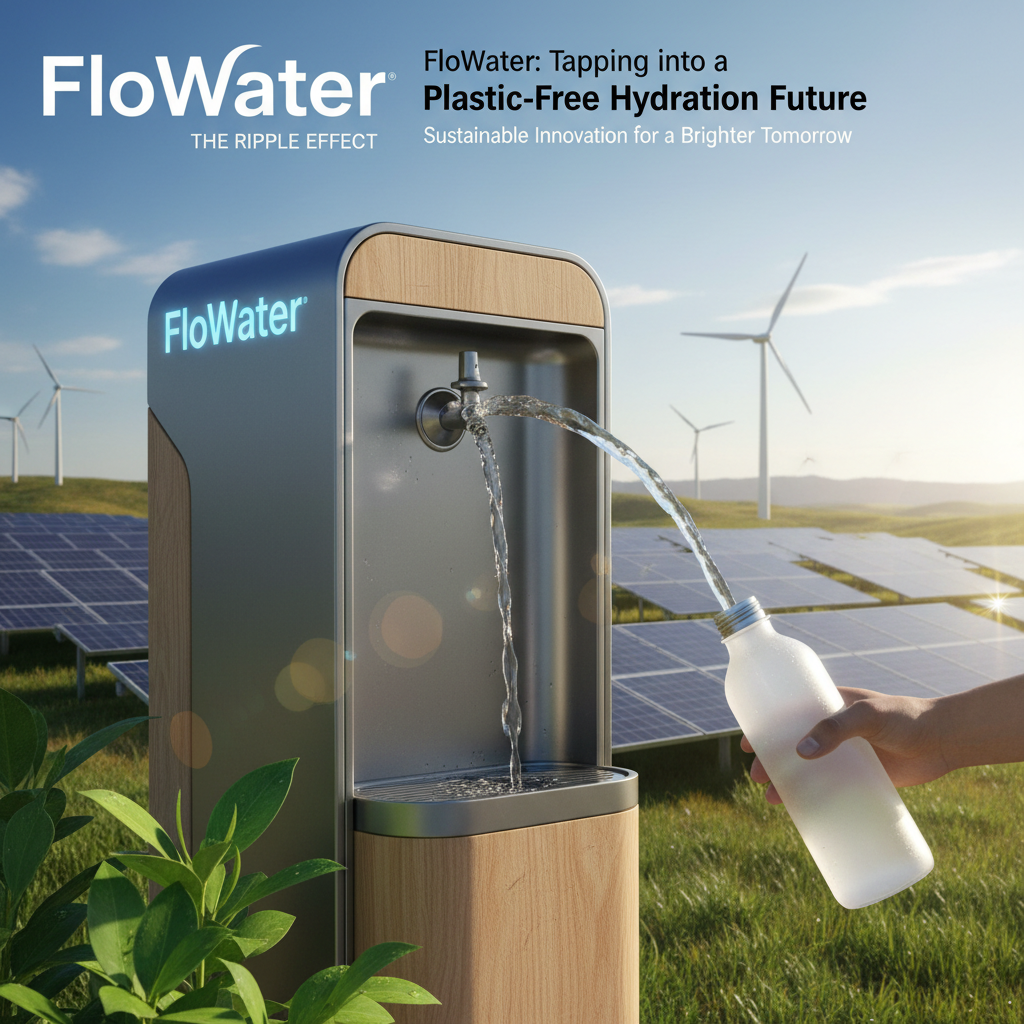
Amidst this challenge, solutions like FloWater are gaining traction. The core concept is elegantly simple: provide advanced water purification and dispensing systems that eliminate the need for single-use plastic bottles. Instead of purchasing water in disposable containers, users can refill their own reusable bottles with seven-times purified, chilled, and even flavored water. This approach not only ensures high-quality hydration but also directly tackles the environmental footprint associated with bottled water production, transportation, and disposal.
Why It Matters
This development is critically important for GreenNest Living readers, embodying the very essence of sustainable living and green technology. Firstly, it offers a tangible, immediate answer to the escalating plastic crisis. Single-use plastics are clogging our landfills, polluting our oceans, and fragmenting into microplastics that are now part of our food chain and even our biology. Technologies like FloWater provide a practical exit strategy from this damaging cycle, encouraging a refill-and-reuse culture over a disposable one.
Secondly, it underscores the vital role of green tech in safeguarding public health. With growing concerns about the long-term effects of microplastic ingestion, having access to highly filtered water provides peace of mind. This isn't just about convenience; it's about leveraging advanced filtration to create a healthier home and planet. As consumers become more aware of what's in their water, solutions that prioritize purity and sustainability will become non-negotiable.
Finally, the rise of services like FloWater signifies a broader shift in our infrastructure and consumption patterns. It's a move away from centralized, packaged goods towards decentralized, point-of-use solutions that empower individuals to make sustainable choices every day. This kind of green tech innovation is not just about a product; it's about reshaping our relationship with resources, demonstrating that convenience and environmental responsibility can, and must, go hand-in-hand.
What You Can Do
- Invest in Reusable Bottles: Carry a high-quality, durable reusable water bottle (stainless steel or glass) with you always to eliminate the need for single-use plastics.
- Seek Out Refill Stations: Actively look for and utilize water refill stations at your workplace, gym, school, or public spaces, including services like FloWater where available.
- Filter at Home: Consider installing a home water filtration system (faucet-mounted, pitcher, or whole-house) to ensure the purity of your tap water and reduce reliance on bottled water for everyday use.
- Support Plastic-Reduction Policies: Advocate for and support local and national policies that aim to reduce single-use plastics, such as bans on plastic bags, straws, and bottles.
- Educate Others: Share information about the impacts of plastic pollution and the benefits of sustainable hydration solutions with friends, family, and your community.
- Choose Sustainable Brands: When purchasing beverages, opt for brands that use glass bottles, aluminum cans, or offer refillable options over plastic.
FAQs
Q: What are microplastics and why are they a concern?
A: Microplastics are tiny plastic particles, less than 5 millimeters in length, that result from the breakdown of larger plastic debris or are manufactured as microbeads for cosmetics. They are a concern because they are pervasive in the environment, ingested by wildlife, and increasingly found in human bodies, with potential but still largely unknown long-term health impacts.
Q: How do water refill stations like FloWater contribute to sustainability?
A: These stations significantly reduce plastic waste by eliminating the need for single-use plastic bottles. This also cuts down on the energy and resources required for plastic production, transportation of bottled water, and waste management, leading to a smaller carbon footprint.
Q: Is my tap water safe from microplastics, and do I need additional filtration?
A: While municipal tap water is generally treated to meet safety standards, microplastics are so ubiquitous that they can still be present. The level varies by location. Many home filtration systems can reduce microplastic presence, and using refill stations with advanced purification offers an additional layer of protection.
Sources
This article is based on reporting by CleanTechnica.
Original source
CleanTechnica
Author, Digital Entrepreneur & AI Creator
More from Green Tech
- UK Electric Buses Transform into Grid Powerhouses with V2G — May 13, 2026
- Ocean-Powered AI: Panthalassa's Bold Vision for Sustainable Compute — May 12, 2026
- Winnipeg Powers Up: 250 EV Chargers Accelerate Sustainable Living — May 11, 2026
- Philippines' Wind Power Dream Hinges on Port Infrastructure — May 10, 2026
- Aviation's Carbon Blind Spot: Ryanair's Soaring Emissions Exposed — May 9, 2026