Goldendale's Green Giant: Pumped Hydro Powers Up US Renewables
Key Takeaways
- The Goldendale Energy Storage Project, a 1.2 GW pumped hydro facility, has been greenlit in Washington State.
- It's strategically located on a brownfield site, promoting sustainable land use and environmental remediation.
- This large-scale storage solution is crucial for addressing the intermittency of renewable energy sources like solar and wind.
- The project significantly bolsters the nation's clean energy profile, enhancing grid stability and reliability.
- It sets a precedent for how future green infrastructure can integrate clean energy while revitalizing former industrial areas.
The future of renewable energy hinges on effective storage, and a significant step forward has just been made. A groundbreaking 1.2-gigawatt pumped hydropower storage project in Washington State, proposed for a brownfield site, has received its crucial green light. This development promises to be a cornerstone for integrating more clean energy into the grid, offering a robust solution to the intermittency challenges of solar and wind power, and setting a precedent for sustainable infrastructure development across the nation.
TL;DR: Key Facts
- The Goldendale Energy Storage Project in Washington State has been greenlit.
- It will add a massive 1.2 gigawatts of pumped hydropower storage capacity.
- The project is uniquely situated on a brownfield site, promoting sustainable land use.
- This initiative is crucial for bolstering the nation's renewable energy profile and grid stability.
What Happened
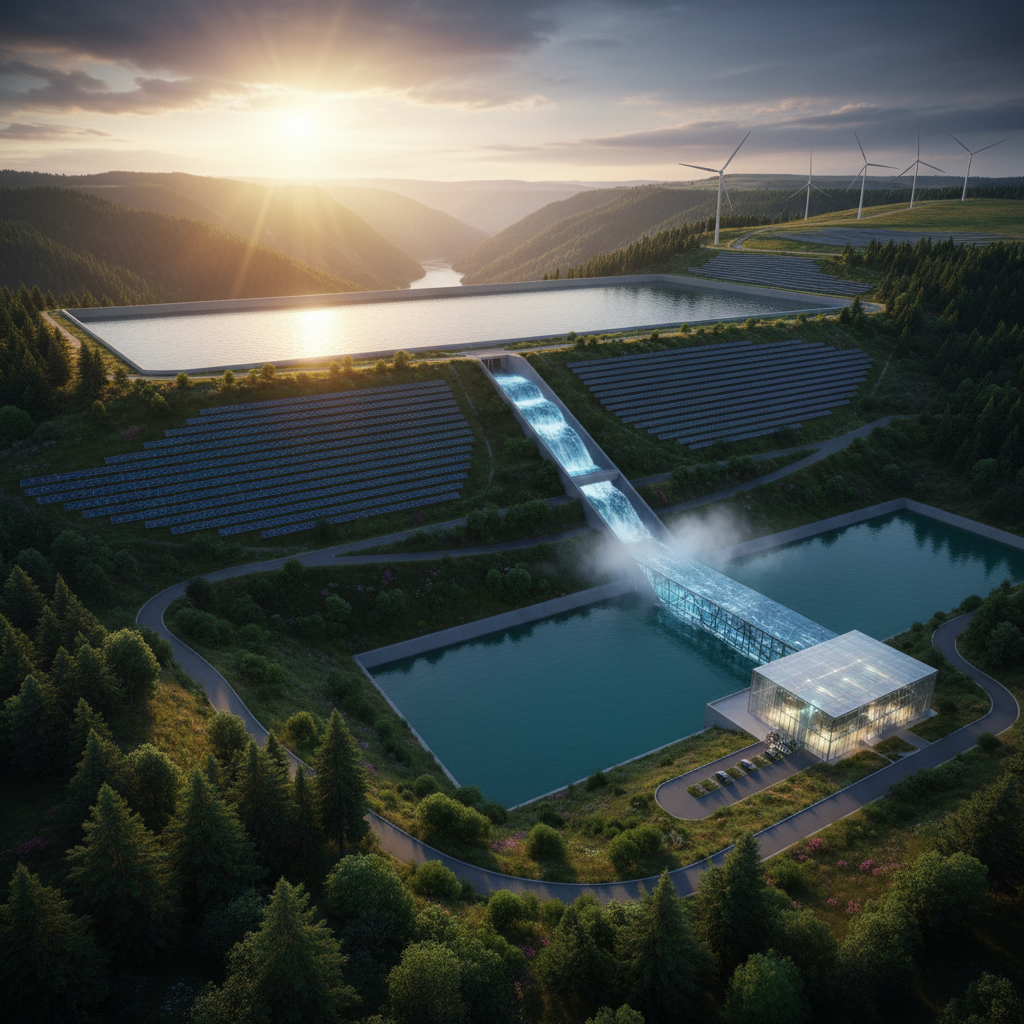
The Goldendale Energy Storage Project, an ambitious undertaking by a U.S. developer, has taken a significant leap forward, securing the necessary approvals to proceed. This development brings the prospect of 1.2 gigawatts (GW) of critical energy storage closer to reality for the nation's power grid. The project utilizes pumped hydro technology, a proven method for storing large quantities of energy.
Notably, the site chosen for this massive infrastructure project is a brownfield in Washington State. A brownfield is a former industrial or commercial site that may have environmental contamination but is being redeveloped. The greenlighting of this project signifies a commitment to expanding renewable energy infrastructure while also demonstrating innovative approaches to land utilization and environmental remediation.
Why It Matters
For sustainable living enthusiasts and advocates of green technology, this project is a game-changer. The greatest challenge facing widespread renewable energy adoption – the intermittency of sources like solar and wind – requires robust, large-scale storage solutions. Pumped hydropower, like the Goldendale project, offers an elegant and long-lasting answer. Unlike batteries, which have limitations in terms of capacity and lifespan for utility-scale applications, pumped hydro can store vast amounts of energy for extended periods, providing unparalleled grid stability and ensuring that clean energy is available even when the sun isn't shining or the wind isn't blowing. This project dramatically improves the reliability of our clean energy infrastructure, a core pillar of sustainable living.
Beyond its energy storage capabilities, the project's location on a brownfield site highlights a crucial aspect of responsible development. Redeveloping brownfields transforms potentially contaminated or underutilized industrial land into valuable assets, preventing urban sprawl and preserving pristine natural areas. This approach aligns perfectly with circular economy principles, maximizing the use of existing infrastructure footprints while minimizing environmental impact. It represents a commitment not just to clean energy, but to sustainable land management, creating jobs, stimulating local economies, and revitalizing areas that might otherwise remain dormant.
Ultimately, the Goldendale Energy Storage Project is more than just an energy facility; it's a foundational piece of the puzzle for a truly sustainable future. By enhancing grid resilience, it enables more homes and businesses to rely on clean, renewable power without compromise. This directly supports the transition away from fossil fuels, contributing significantly to national climate goals and offering a more dependable, cleaner energy supply for everything from electric vehicles to smart homes. Its success paves the way for similar projects, accelerating the global shift towards a greener, more secure energy landscape.
What You Can Do
As readers of GreenNest Living, your actions, big and small, can contribute to the momentum of such transformative green tech initiatives:
- Advocate for Grid Modernization: Contact your local, state, and federal representatives to express support for infrastructure projects that enhance grid resilience, particularly those involving large-scale energy storage and renewable energy integration.
- Support Sustainable Land Use: Research brownfield redevelopment projects in your community and advocate for policies that incentivize the repurposing of existing industrial sites for green infrastructure rather than developing new greenfield sites.
- Reduce Your Energy Footprint: While large projects tackle the supply side, individual efforts to conserve energy and increase efficiency in your home directly reduce overall demand, easing pressure on the grid and making renewable integration smoother.
- Explore Local Renewable Energy Options: Investigate opportunities for community solar, green energy tariffs from your utility, or home solar installations to directly support and participate in the clean energy transition.
- Educate and Share: Talk to friends, family, and colleagues about the importance of energy storage, grid stability, and sustainable development projects like Goldendale. Informed communities drive progress.
- Engage with Public Comment Periods: For proposed infrastructure projects in your area, participate in public comment periods to offer constructive feedback and support for environmentally responsible development.
FAQs
Q: What is pumped hydro energy storage?
A: Pumped hydro energy storage (PHES) works like a giant battery. It uses excess electricity (often from renewables) to pump water from a lower reservoir to an upper reservoir. When electricity is needed, water is released from the upper reservoir, flowing downhill through turbines to generate power, just like a conventional hydropower plant. It's one of the largest and most efficient forms of energy storage available.
Q: What is a brownfield site?
A: A brownfield site is real property, the expansion, redevelopment, or reuse of which may be complicated by the presence or potential presence of a hazardous substance, pollutant, or contaminant. Redeveloping brownfields is often seen as environmentally beneficial as it reuses existing developed land and can involve remediation of past pollution.
Q: How does this Goldendale project help renewable energy?
A: The Goldendale project helps address the challenge of intermittency in renewable energy sources like solar and wind. When these sources generate more power than needed, the excess can be stored as potential energy in the pumped hydro system. This stored energy can then be released when demand is high or when renewable generation is low (e.g., at night or during calm periods), ensuring a stable and reliable supply of clean electricity to the grid.
Sources
This article is based on reporting by CleanTechnica.
Original source
CleanTechnica
Author, Digital Entrepreneur & AI Creator
More from Green Tech
- UK Electric Buses Transform into Grid Powerhouses with V2G — May 13, 2026
- Ocean-Powered AI: Panthalassa's Bold Vision for Sustainable Compute — May 12, 2026
- Winnipeg Powers Up: 250 EV Chargers Accelerate Sustainable Living — May 11, 2026
- Philippines' Wind Power Dream Hinges on Port Infrastructure — May 10, 2026
- Aviation's Carbon Blind Spot: Ryanair's Soaring Emissions Exposed — May 9, 2026