Green Hydrogen: Gulf States' Bold Pivot from Oil & Gas
Key Takeaways
- Gulf States launch multi-state program to repurpose offshore oil/gas infrastructure.
- The primary focus is on large-scale green hydrogen production.
- Represents a strategic pivot from fossil fuels to clean energy.
- Aims to convert potential 'stranded assets' into valuable clean energy resources.
- Could establish a new sustainable economic paradigm for the region.
Green Hydrogen: Gulf States' Bold Pivot from Oil & Gas
The landscape of global energy is on the cusp of a profound transformation, and surprisingly, it's the oil-rich Gulf States leading a significant charge. A pioneering program is underway to convert vast offshore oil and gas assets into green hydrogen production facilities, signaling a strategic pivot that holds immense implications for a sustainable future and offers a blueprint for other fossil fuel-dependent regions.
TL;DR: Key Facts
- A multi-state research and demonstration program has been launched by Gulf States.
- The program aims to repurpose existing offshore oil and gas infrastructure.
- The primary goal is the large-scale production of green hydrogen.
- This represents a strategic move away from fossil fuels towards clean energy.
- The initiative seeks to create a new sustainable economic paradigm for the region.
What Happened
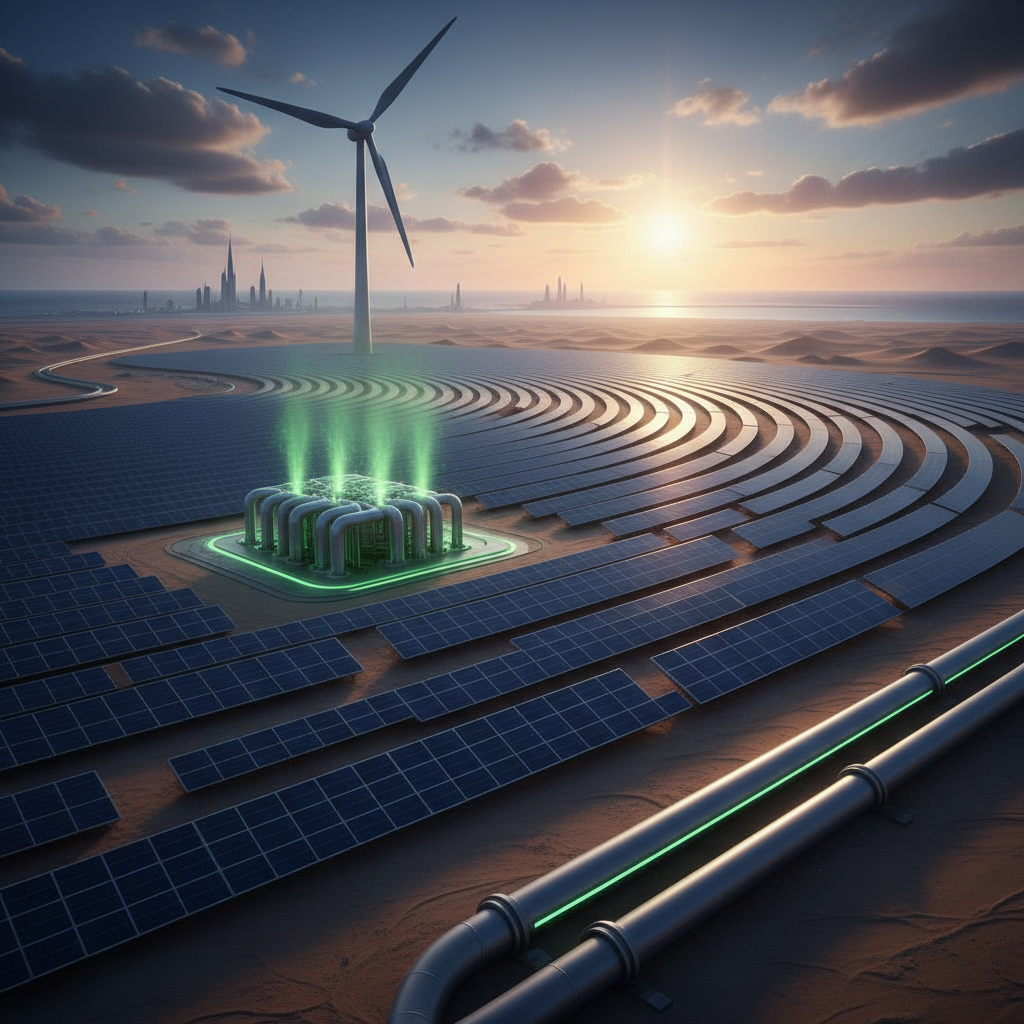
Traditionally known as the heartland of global oil and gas production, a consortium of Gulf States is now exploring an ambitious new frontier: green hydrogen. A recently launched multi-state research and demonstration program is actively investigating how to transform the extensive network of offshore oil and gas platforms, pipelines, and facilities into cutting-edge green hydrogen production sites. This initiative isn't merely theoretical; it's a practical endeavor to evaluate the feasibility, economic viability, and engineering challenges of such a large-scale conversion.
The program specifically targets the repurposing of infrastructure that might otherwise become 'stranded assets' as the world transitions to cleaner energy. By utilizing existing offshore platforms, which often include deep-water access, robust energy transmission capabilities, and marine logistics, the Gulf States aim to accelerate the development and deployment of green hydrogen technologies. This includes exploring co-location opportunities for renewable energy sources like offshore wind or solar to power the electrolysis process required for green hydrogen production.
Why It Matters
For GreenNest Living readers, this development is monumental. It represents a tangible, large-scale commitment from major energy producers to transition from fossil fuels to clean energy, using green hydrogen as a cornerstone. This isn't just about adding renewable energy; it's about fundamentally rethinking and repurposing existing carbon-intensive infrastructure. If successful, this could set a global precedent, demonstrating that economic powerhouses built on fossil fuels can, and will, pivot towards a sustainable energy economy, providing a viable pathway for other oil and gas regions worldwide.
Moreover, this initiative directly addresses the critical issue of 'stranded assets' – valuable infrastructure that loses economic value due to the energy transition. By finding new life for these offshore facilities, the Gulf States are presenting a powerful model for maximizing existing investments while simultaneously advancing green technology. The focus on green hydrogen, produced via electrolysis using renewable electricity, is particularly significant as it offers a versatile, storable, and transportable clean energy carrier capable of decarbonizing hard-to-abate sectors like heavy industry, shipping, and aviation. This could dramatically accelerate global decarbonization efforts and solidify green hydrogen's role as a cornerstone of the future energy mix.
The scale of this project alone warrants attention. The sheer volume of oil and gas infrastructure in the Gulf region means that if even a fraction of it is successfully converted, the resulting green hydrogen production capacity could be immense, potentially shaping international energy markets and supply chains for decades to come. This commitment signals a new era where sustainability is not just a secondary consideration but a core driver of economic strategy, turning former polluters into pioneers of clean energy.
What You Can Do
- Stay Informed: Follow news from regions investing in green hydrogen. Understanding these shifts helps you advocate for similar initiatives in your local area.
- Support Green Hydrogen Initiatives: Look for investment opportunities or companies developing green hydrogen technology. Even small contributions can help accelerate innovation.
- Advocate for Green Energy Policies: Contact your elected officials to express support for policies that promote renewable energy infrastructure and the transition away from fossil fuels, especially repurposing existing assets.
- Educate Others: Share news about positive developments like this with friends and family to build awareness and foster support for clean energy solutions.
- Consider Green Energy Providers: If available, switch to utility providers that source a high percentage of their energy from renewables, including those potentially investing in green hydrogen's future.
- Reduce Your Energy Consumption: While large-scale changes are crucial, individual actions still matter. Conserve energy at home to lessen overall demand for all energy sources.
FAQs
Q: What is green hydrogen?
A: Green hydrogen is produced by using renewable electricity, such as from solar or wind power, to split water into hydrogen and oxygen through a process called electrolysis. This method generates hydrogen with virtually no greenhouse gas emissions.
Q: Why are Gulf States interested in green hydrogen?
A: Beyond diversifying their economies and reducing reliance on fossil fuels, green hydrogen offers a way to leverage their extensive energy infrastructure and export expertise into the clean energy sector, turning potential "stranded assets" into valuable new resources.
Q: How will repurposing offshore oil and gas infrastructure work?
A: Existing platforms could host electrolyzers powered by co-located offshore wind or solar farms. Pipelines might be adapted to transport hydrogen, and port facilities could be used for hydrogen shipping, minimizing the need for entirely new infrastructure.
Sources
This article is based on reporting by CleanTechnica.
Original source
CleanTechnica
Author, Digital Entrepreneur & AI Creator
More from Green Tech
- UK Electric Buses Transform into Grid Powerhouses with V2G — May 13, 2026
- Ocean-Powered AI: Panthalassa's Bold Vision for Sustainable Compute — May 12, 2026
- Winnipeg Powers Up: 250 EV Chargers Accelerate Sustainable Living — May 11, 2026
- Philippines' Wind Power Dream Hinges on Port Infrastructure — May 10, 2026
- Aviation's Carbon Blind Spot: Ryanair's Soaring Emissions Exposed — May 9, 2026