Indonesia's Green Shift: Solar & Batteries Dethrone Diesel
Key Takeaways
- Indonesia's state electricity company (PLN) is strategically replacing remote diesel generators with solar and battery systems.
- This transition is driven by economic and strategic benefits, moving beyond speculative clean energy ideas.
- The 'Lego' metaphor implies a scalable, modular program for national clean energy adoption.
- This initiative sets a precedent for other developing nations and islands seeking energy independence and decarbonization.
- It highlights the maturation of solar and battery technology as practical, cost-effective solutions for distributed power.
Indonesia's Green Shift: Solar & Batteries Dethrone Diesel
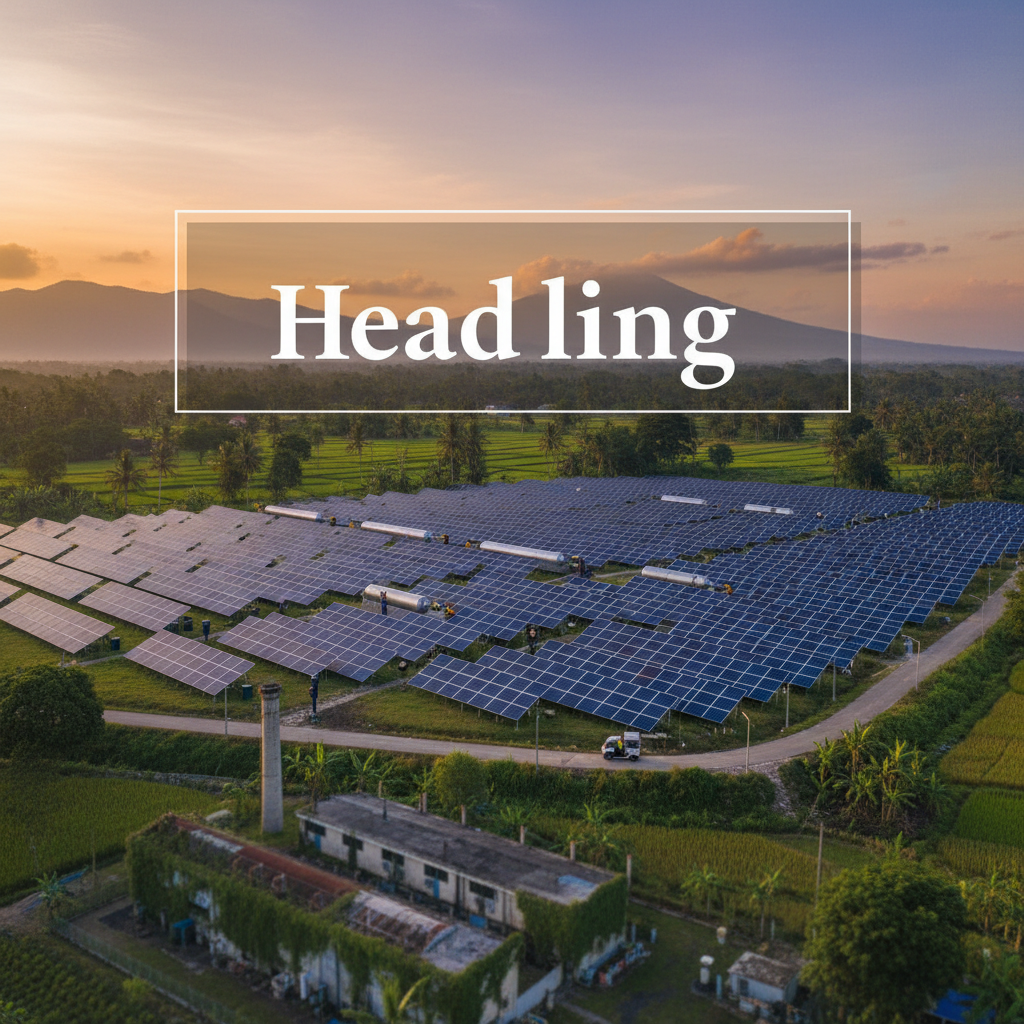
Indonesia, a nation grappling with energy access in remote areas, is on the cusp of a groundbreaking clean energy transformation. The long-speculated idea of replacing polluting diesel generators with solar and battery solutions has officially become an economic and strategic imperative, marking a pivotal moment for global decarbonization and sustainable development. This shift isn't just about cleaner air; it's about energy independence, cost savings, and empowering communities.
TL;DR: Key Facts
- Indonesia is transitioning from diesel generators to solar and battery systems for remote area power.
- This move is now an economic and strategic proposition, not just a speculative clean energy idea.
- Indonesia’s state electricity company, PLN, has made significant announcements indicating this shift.
- The strategy aims to decarbonize the energy grid and provide more reliable, cost-effective power to remote communities.
What Happened
Indonesia, a vast archipelago nation comprising over 17,000 islands, has long grappled with the complex challenge of providing reliable and affordable electricity to its numerous remote communities. For decades, the default solution has been the widespread deployment of diesel generators, particularly in areas unconnected to the main national grid. While these generators have provided essential power, their operation comes with a heavy price: significant environmental pollution, dependence on often-volatile global fossil fuel markets, complex and costly fuel logistics to transport diesel to distant locations, and fluctuating operational expenses that can burden both consumers and the state utility.
However, a pivotal shift is now underway, marking a significant turning point in the nation's energy strategy. The latest announcements from PT Perusahaan Listrik Negara (PLN), Indonesia’s state electricity company, confirm that the replacement of these polluting diesel generators with modern solar and battery energy storage systems is no longer merely a conceptual or experimental clean energy idea. Instead, it has matured into a robust economic and strategic proposition. This evolution means that the financial benefits, long-term stability, and environmental advantages of renewables now decisively outweigh the diminishing returns of fossil fuel reliance for these off-grid and remote applications. The "Find The Lego" analogy aptly captures this approach: identifying existing diesel assets as individual components ready for modular, renewable replacement, paving the way for a systematic and scalable nationwide clean energy program.
Why It Matters
This news represents a truly groundbreaking development for Green Tech and sustainable living, demonstrating with tangible evidence how large-scale energy transitions are becoming not just environmentally desirable but also economically imperative. For GreenNest Living readers, Indonesia’s proactive commitment provides an inspiring, real-world case study. It powerfully illustrates how advanced green technologies – specifically integrated solar photovoltaic systems coupled with battery energy storage – are emerging as the most pragmatic, cost-effective, and reliable choices for electrifying even the most geographically challenging regions. This strategic pivot by a major state utility fundamentally dismantles the long-held misconception that clean energy solutions are inherently more expensive or less dependable than traditional fossil fuels, especially in isolated or off-grid settings where fuel transport costs can be exorbitant.
The implications of Indonesia's scalable program resonate far beyond its archipelagic borders. This systematic transition offers a vital blueprint for myriad other developing nations, particularly those with scattered populations or island geographies, which face analogous challenges of energy access, high diesel dependency, and the urgent need for decarbonization. By prioritizing distributed renewable energy, Indonesia is poised to foster localized economic growth, create new green jobs, significantly reduce its carbon footprint, and markedly improve public health by mitigating the harmful air pollution historically associated with diesel combustion. It stands as a compelling testament to the increasing maturity and efficacy of green technologies, showcasing their readiness to serve as foundational pillars for national strategic goals, from enhancing energy independence and resilience to meeting ambitious climate action targets.
Furthermore, PLN's embrace of this forward-thinking strategy signals a profound global shift in how major utilities and governments perceive renewable energy. It elevates renewables from being niche or supplementary power sources to being central, indispensable components of comprehensive national energy infrastructure planning. This critical validation underscores the decades of innovation, research, and advocacy by green tech pioneers and environmental champions. It proves that sustained technological advancement, coupled with visionary policy decisions and strategic investment, can indeed catalyze transformative change that benefits millions of lives, bolsters economic stability, and safeguards the long-term health of our planet. This is not just about replacing old tech; it's about building a sustainable future, one solar panel and battery at a time.
What You Can Do
- Support Green Energy Policy: Advocate for policies in your own region that prioritize renewable energy development and incentivize the replacement of fossil fuel infrastructure with clean alternatives.
- Invest in Renewable Energy: Consider installing solar panels on your home or business, or switch to a utility provider that offers 100% renewable energy options.
- Educate and Share: Share stories like Indonesia’s energy transition with friends and family to highlight the feasibility and benefits of green technology.
- Reduce Your Energy Consumption: Even small changes in daily habits, like using energy-efficient appliances or turning off lights, contribute to reducing the overall energy demand.
- Engage with Local Utilities: Inquire about your utility provider's plans for renewable energy integration and express your support for accelerated clean energy transitions.
- Support Clean Tech Innovation: Look for opportunities to support companies and initiatives developing new green technologies and scalable solutions.
FAQs
Q: What are the main benefits of replacing diesel generators with solar and batteries?
A: The main benefits include reduced operational costs (no fuel transport), lower greenhouse gas emissions, improved air quality, enhanced energy independence, and more reliable power supply for remote communities.
Q: Is this strategy only applicable to island nations like Indonesia?
A: While particularly impactful for islands and remote areas, the principles of distributed renewable energy and battery storage can be applied to any region seeking to reduce reliance on centralized fossil fuel generation, improve grid resilience, and lower energy costs.
Q: How does this impact the average citizen in Indonesia?
A: For remote citizens, it means more consistent and affordable access to electricity, which can improve quality of life, enable education, and foster local economic development. For the nation as a whole, it contributes to energy security and climate goals.
Sources
This article is based on reporting by CleanTechnica.
Original source
CleanTechnica
Author, Digital Entrepreneur & AI Creator
More from Green Tech
- UK Electric Buses Transform into Grid Powerhouses with V2G — May 13, 2026
- Ocean-Powered AI: Panthalassa's Bold Vision for Sustainable Compute — May 12, 2026
- Winnipeg Powers Up: 250 EV Chargers Accelerate Sustainable Living — May 11, 2026
- Philippines' Wind Power Dream Hinges on Port Infrastructure — May 10, 2026
- Aviation's Carbon Blind Spot: Ryanair's Soaring Emissions Exposed — May 9, 2026