Pumped Hydro Power Surge: US Greenlights Massive Storage Project
Key Takeaways
- The Goldendale Energy Storage Project (1.2 GW pumped hydro) in Washington State received key regulatory approval.
- The project, developed by Rye Development, is strategically located on a brownfield site.
- It will significantly enhance grid stability and facilitate greater integration of renewable energy sources.
- Pumped hydro acts as a large-scale energy battery, storing excess power and dispatching it when needed.
- Utilizing a brownfield site demonstrates responsible land stewardship and sustainable infrastructure development.
As the push for a cleaner energy future intensifies, one of the biggest hurdles remains consistent, reliable power when the sun isn't shining or the wind isn't blowing. A recent green light for a massive 1.2 gigawatt pumped hydropower storage project in Washington State signals a monumental leap forward, offering a powerful solution to this critical challenge and moving us closer to a truly resilient, renewable grid.
TL;DR: Key Facts
- The Goldendale Energy Storage Project, developed by Rye Development, received a crucial regulatory green light.
- The project is a 1.2 gigawatt (GW) pumped hydropower storage facility.
- It is strategically located in Washington State on a former industrial, or brownfield, site.
- This significant approval moves the project closer to construction and operation.
- Once operational, it will be a major addition to the nation's renewable energy profile, enhancing grid stability.
What Happened
In a significant move for renewable energy infrastructure, the Goldendale Energy Storage Project, developed by Rye Development, has received a crucial regulatory green light. This pivotal decision brings the proposed 1.2 gigawatt (GW) pumped hydropower storage facility in Washington State one step closer to realization. The project is strategically located on a former industrial site, a brownfield, turning a previously impacted area into a linchpin for the state's and nation's clean energy goals.
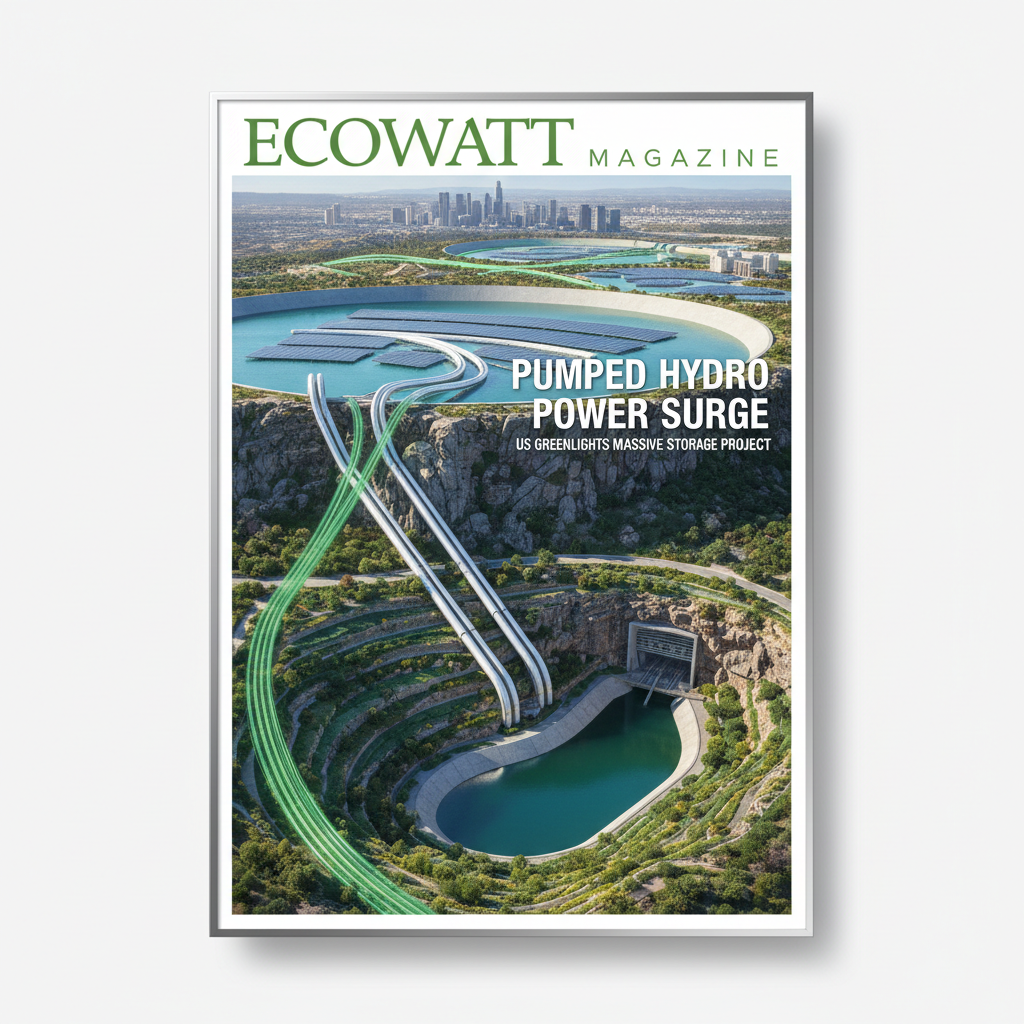
Pumped hydro storage works by using excess renewable energy to pump water uphill to a reservoir, then releasing it downhill through turbines to generate electricity when demand is high or renewable generation is low. This massive 1.2 GW capacity signifies its potential to stabilize the grid, integrate intermittent renewables like solar and wind on a grand scale, and provide reliable power to millions of homes. The approval signals confidence in large-scale, proven green technologies to bolster our energy future.
Why It Matters
For GreenNest Living readers and the broader sustainable living community, this project isn't just another power plant; it represents a fundamental shift in how we approach renewable energy integration. The biggest challenge with solar and wind power has always been their intermittency – the sun doesn't always shine, and the wind doesn't always blow. Pumped hydro storage, like the Goldendale project, acts as a colossal battery, storing surplus energy when it's abundant and releasing it precisely when needed. This capability is absolutely vital for ensuring a stable, reliable power supply, enabling a much higher percentage of our electricity to come from clean sources without compromising grid resilience.
Furthermore, the decision to locate this immense facility on a brownfield site underscores a commitment to sustainable development principles. Reusing land that has already seen industrial use minimizes environmental disruption, avoiding the development of pristine natural areas. This approach exemplifies how modern green tech projects can not only address our energy needs but also contribute to ecological restoration and responsible land stewardship. It’s a win-win for both energy security and environmental conservation, paving the way for similar thoughtful infrastructure projects nationwide, reducing environmental footprints while boosting clean energy capacity.
This development also highlights the maturity and critical role of large-scale energy storage in the green tech landscape. While battery technology for homes and electric vehicles garners much attention, massive utility-scale solutions like pumped hydro are indispensable for a complete energy transition. The Goldendale project’s green light sends a clear signal that the nation is serious about investing in proven, robust technologies that can handle the demands of a fully decarbonized grid, driving innovation and creating a blueprint for future sustainable infrastructure and energy independence.
What You Can Do
The journey towards a fully sustainable energy grid requires collective effort. Here’s how you can play a part:
- Stay Informed: Deepen your understanding of energy storage technologies, from grid-scale pumped hydro to residential batteries. Knowledge is power, and understanding these solutions helps you advocate effectively for cleaner energy.
- Support Policy Makers: Encourage your local, state, and federal representatives to champion policies that incentivize large-scale renewable energy infrastructure and storage projects, including streamlined permitting for brownfield development and grid modernization.
- Choose Clean Energy: If available in your area, switch to a renewable energy provider or participate in community solar programs. Your demand helps drive the market for green energy sources and accelerates their adoption.
- Optimize Home Energy Use: Implement energy-efficient practices and appliances in your home. Reducing overall demand lessens the strain on the grid and supports the transition to renewables by lowering peak requirements.
- Consider Home Energy Storage: For those interested and able, explore home battery storage solutions that pair with rooftop solar. This allows you to become a small part of the distributed energy solution, reducing your reliance on the grid at peak times and increasing your energy resilience.
- Engage Locally: Look for opportunities to support or provide input on local renewable energy or infrastructure projects in your community. Your voice can make a difference in shaping sustainable development and ensuring community benefits.
FAQs
Q: What is pumped hydropower storage?
A: Pumped hydropower storage is a method of storing energy by pumping water uphill from a lower reservoir to an upper one, typically using surplus electricity. When electricity is needed, the water is released back downhill through turbines, generating power.
Q: Why is it important for renewable energy?
A: It's crucial for overcoming the intermittency of renewable sources like solar and wind. It allows excess energy generated during peak production times to be stored and then dispatched when demand is high or renewable generation is low, ensuring a stable and reliable supply of clean electricity.
Q: What does "brownfield" mean in this context?
A: A brownfield site is an abandoned, idled, or underutilized industrial or commercial property where expansion or redevelopment is complicated by real or perceived environmental contamination. Utilizing such sites for green infrastructure like pumped hydro repurposes land, avoiding disturbance of green spaces and often contributing to environmental remediation.
Sources
This article is based on reporting by CleanTechnica.
Original source
CleanTechnica
Author, Digital Entrepreneur & AI Creator
More from Green Tech
- UK Electric Buses Transform into Grid Powerhouses with V2G — May 13, 2026
- Ocean-Powered AI: Panthalassa's Bold Vision for Sustainable Compute — May 12, 2026
- Winnipeg Powers Up: 250 EV Chargers Accelerate Sustainable Living — May 11, 2026
- Philippines' Wind Power Dream Hinges on Port Infrastructure — May 10, 2026
- Aviation's Carbon Blind Spot: Ryanair's Soaring Emissions Exposed — May 9, 2026